

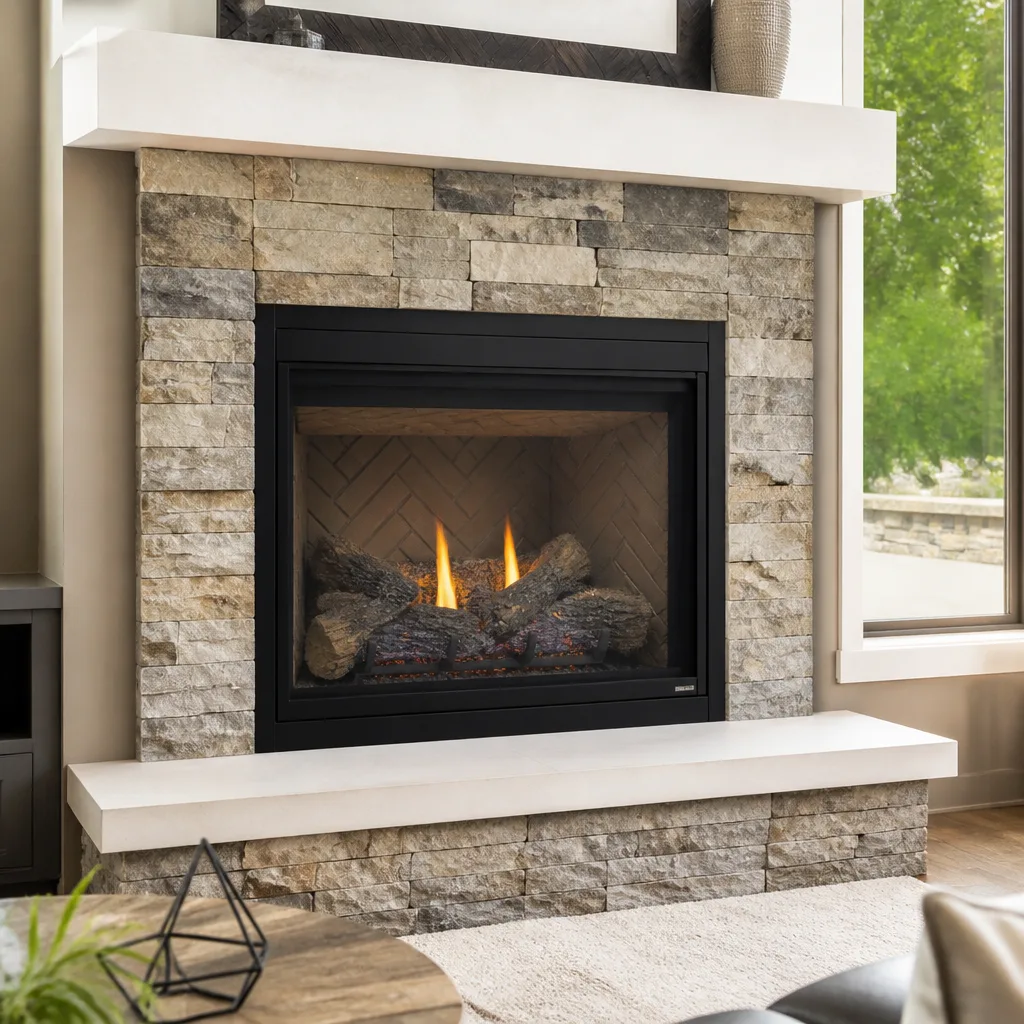
 Gas fireplace service
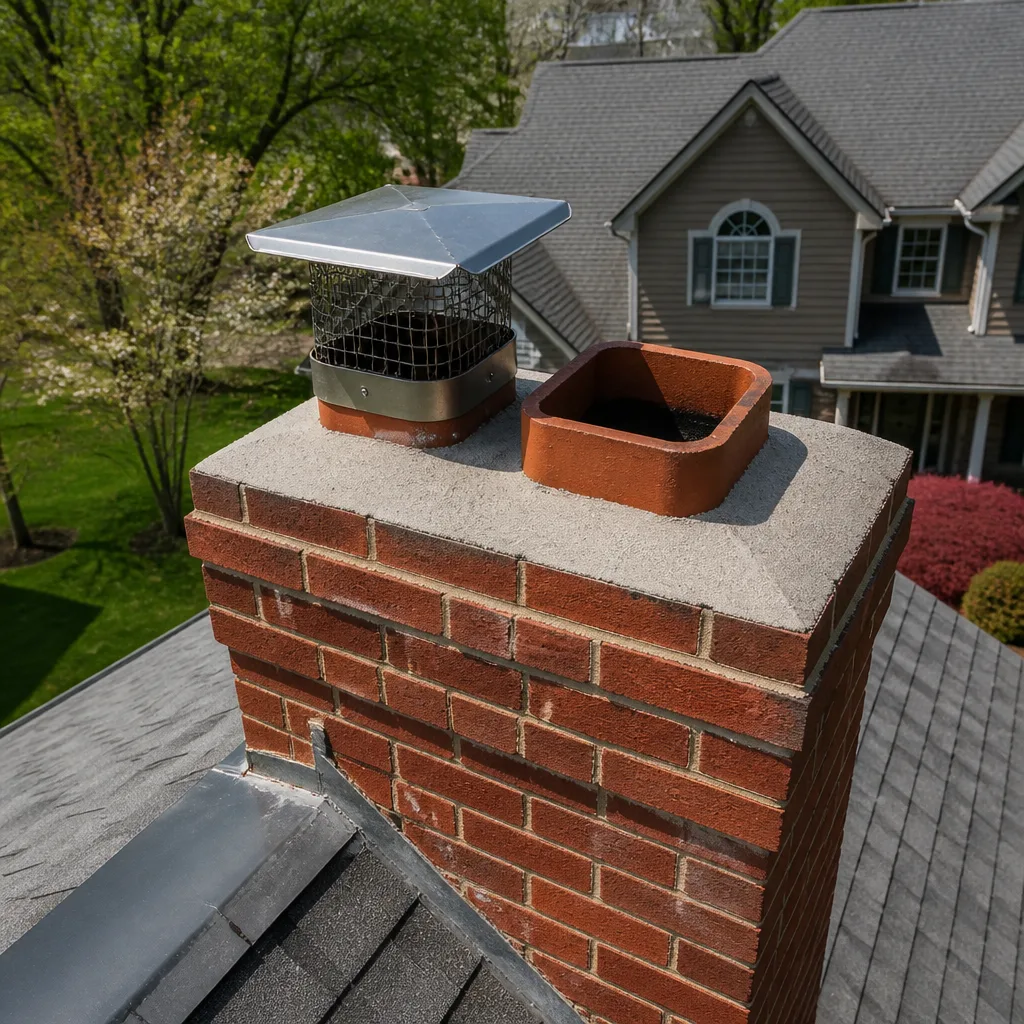 Sweep & inspection
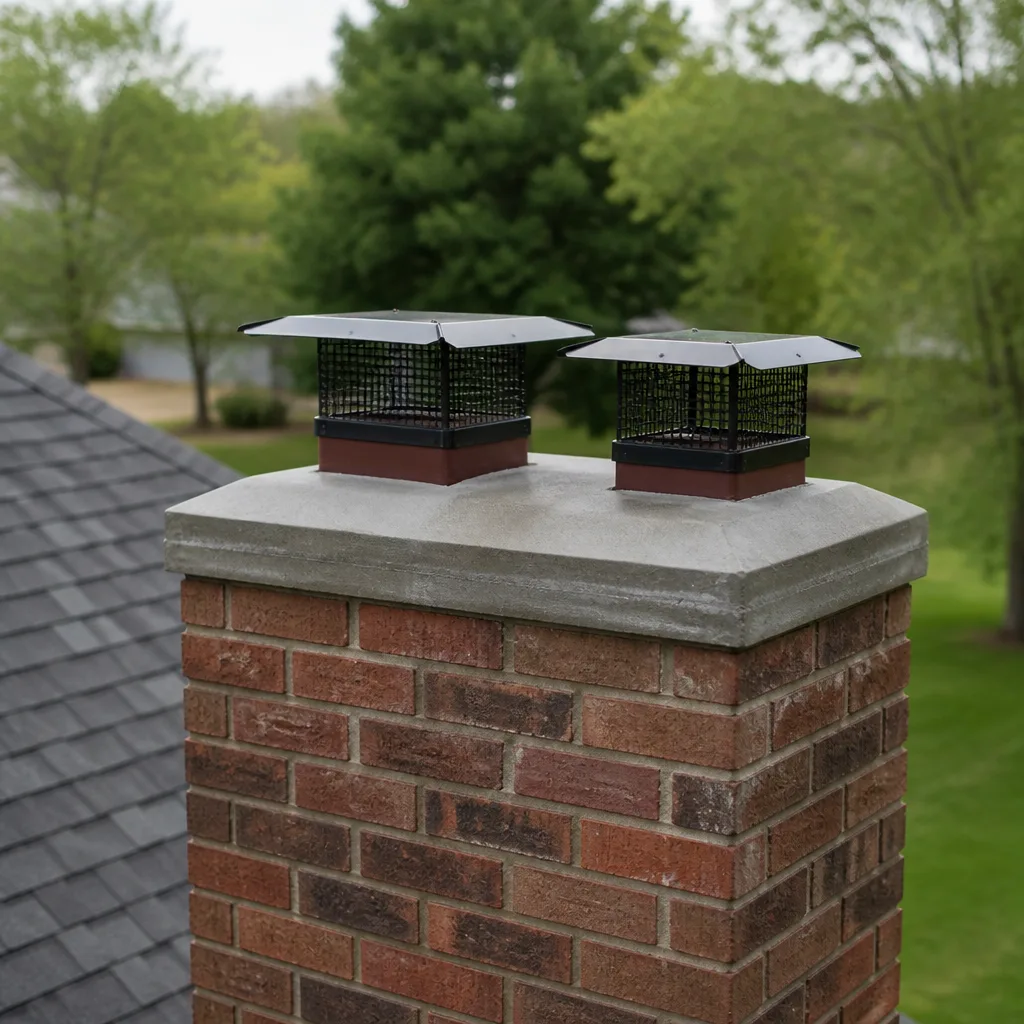 Caps & crowns
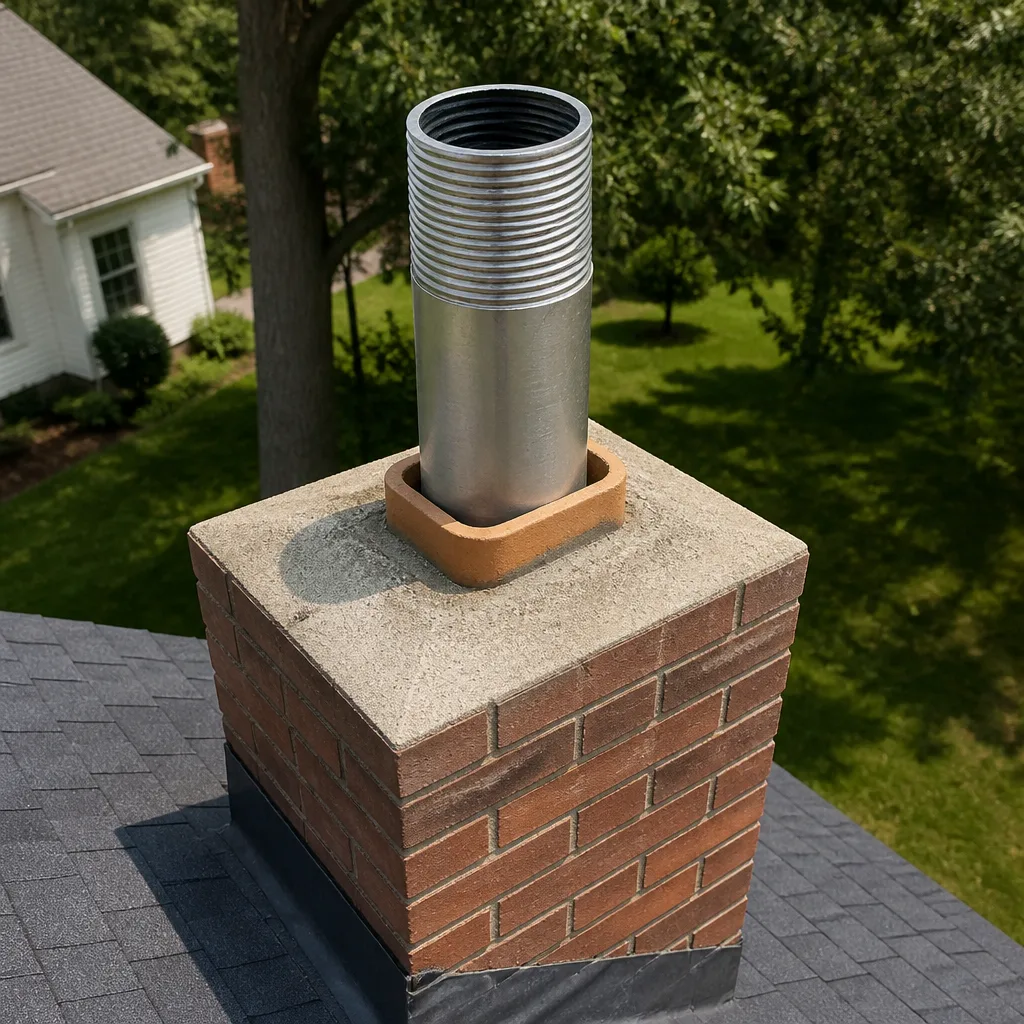 Flue relining
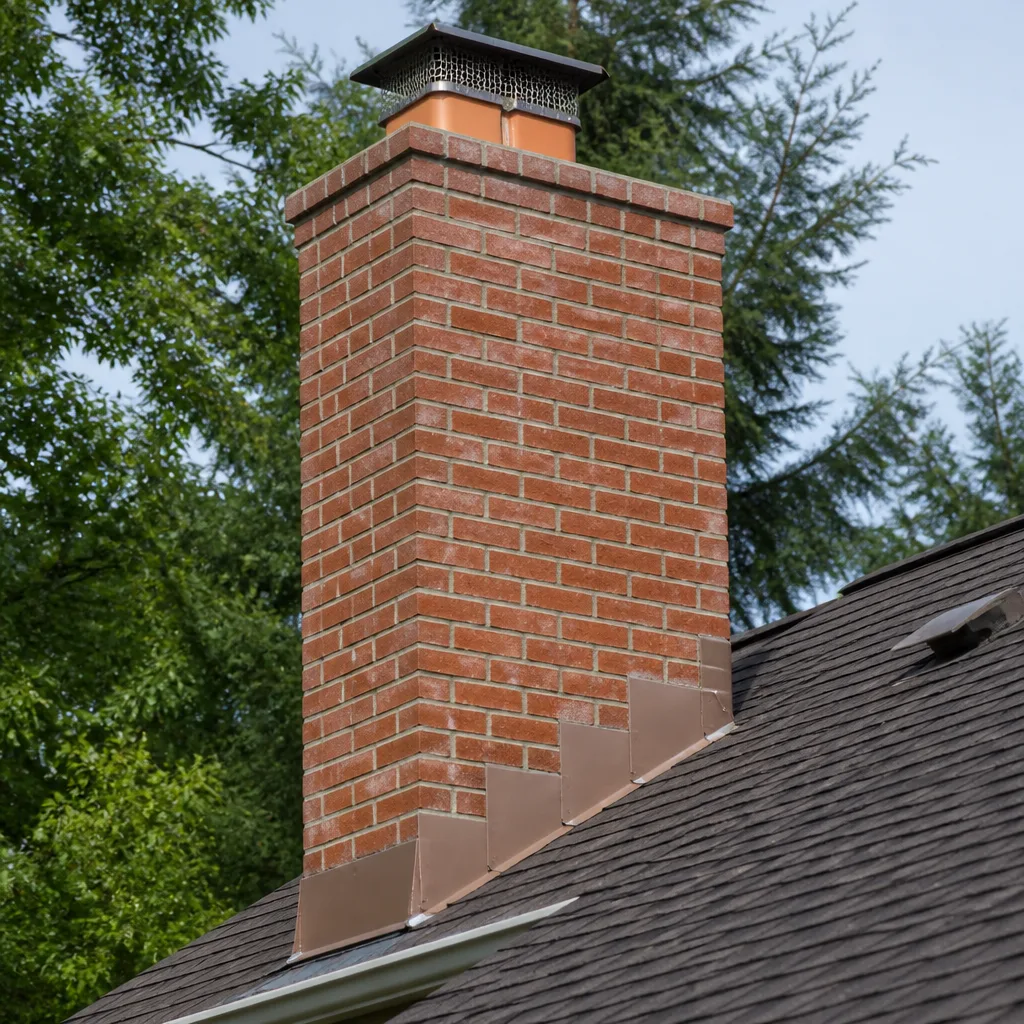 Masonry repair
Level 1 sweep and inspection to the NFPA 211 annual standard - flue, crown, cap, and flashing checked and photographed
Chimney sweep logs do not sweep chimneys. They loosen some creosote - which then falls where a brush and vacuum still have to collect it.
Why Castle Rock Homeowners Choose HeatShield Chimney Cleaning
We provide independent HeatShield chimney cleaning and service in Castle Rock, CO. Our technicians work on HeatShield CerfCrete, CeCure, Golden Flue and Resurfacing System flues with the materials that system actually specifies, and we verify every liner condition with a video Level 2 inspection before we recommend anything. What sets our HeatShield work apart is the field experience behind it: we know how these systems fail on the Palmer Divide, and we won’t tell you a liner is shot unless you can see the reason yourself.
HeatShield is a flue resurfacing product, and in Castle Rock it shows up in homes where a masonry flue needed restoring rather than tearing out. We are an independent HeatShield service provider, not affiliated with or authorized by HeatShield, so our expertise comes from the field rather than from any manufacturer endorsement. Call (833) 699-7166 for a free estimate.
Why Trust Chimney Sweep Castle Rock for Your HeatShield Chimney Cleaning?
Our technicians have up to 9 years of experience, and that time has been spent almost entirely on chimney work, not rotating between trades. We’ve handled enough HeatShield systems to recognize the difference between a liner that’s genuinely failing and one that just needs a careful sweep.
That matters because HeatShield liners need a different touch than bare masonry or a stainless insert. The surface is a bonded layer with a specified cure, and aggressive brushing or the wrong tool can score the material. We sweep with that in mind: controlled contact, no forced action against a bonded surface, and a camera look before the brush goes anywhere.
When a HeatShield liner needs help, we use HeatShield’s own CerfCrete, CeCure and Golden Flue materials. Third-party substitutes don’t belong near these systems; the chemistry and cure schedule are system-specific. Using quality parts that fit the equipment keeps the repair sound and keeps it warranty-safe, so you’re not left holding a failed repair on top of a failed liner. We specify the same brands certified chimney professionals use nationwide.
Styles & brands we work with
- Sweep & inspection
- Caps & crowns
- Flue relining
- Masonry repair
- Gas fireplace service
Common HeatShield Chimney Cleaning Problems We Fix in Castle Rock
HeatShield systems tend to fail in a handful of recognizable ways. Castle Rock’s freeze-thaw cycles at 6,200+ feet make some of them far more likely here than in the metro. Here’s what we run into, and what causes it:
- CerfCrete delamination or cracking at the flue collar. This usually traces back to the original pour being too thin or applied over a substrate that wasn’t cleaned properly before the material went down. When adhesion fails, the liner starts separating right where it meets the collar, and that’s the section taking the most heat and the most turbulent flue gas. You often can’t see it from the top of the chimney. A camera does.
- CeCure debonding after moisture intrusion. CeCure is a resurfacing material, and resurfacing only holds if what’s behind it stays dry. Snow blowing sideways on the Palmer Divide finds gaps a calm-weather inspection would miss. Once moisture gets behind the CeCure layer, it debonds from the substrate. The giveaway is a hollow sound when the surface is tapped during a Level 2 inspection, often in patches rather than evenly.
- Golden Flue shrinkage cracks at the joints. In older masonry chimneys, cast-in-place Golden Flue lining can develop hairline shrinkage cracks at the joints as the flue heats and cools across a long October-through-April heating season. Small cracks are a real problem because they let creosote and moisture travel straight past the liner into the surrounding brick, which is much harder and more expensive to fix than a liner.
- Undersized liners restricting draft. A HeatShield liner sized for the flue opening rather than for the appliance will choke a wood-burning fireplace’s draft. The symptoms are smoke spilling into the room when you light a fire and a fast build-up of creosote, because a slow flue leaves more unburned material behind than it carries away. Downdrafts from ridge winds make the smoke spillage worse.
- Glazed creosote over a bonded surface. Long heating seasons with frequent pine and cedar burning produce hard, glazed creosote that clings to a HeatShield surface differently than to bare firebrick. It has to be removed carefully. Standard aggressive sweeping risks the very layer you’re trying to protect, so we work with the liner rather than against it.
A homeowner with a HeatShield-lined fireplace often calls because the fire smokes into the room, or because a routine annual sweep turned up hollow-sounding material. The usual cause is a thin or poorly bonded CeCure or CerfCrete layer that has cracked at a joint, letting creosote and moisture work behind the liner. A qualified local pro typically performs a Level 2 inspection with video, removes the failed section and the creosote, then re-surfaces or re-pours the flue to HeatShield’s specified thickness and cure time. Nothing is recommended without camera evidence you can see for yourself.
HeatShield Parts & Our Repair-vs-Replace Approach
For HeatShield flues we use only the manufacturer’s proprietary CerfCrete, CeCure and Golden Flue materials. No third-party stand-ins, because the chemistry and the cure schedule are specific to the system that was installed.
We don’t sell or stock HeatShield parts; we service and repair HeatShield systems with materials that fit them. When we assess your liner, one of two things is true. If the HeatShield liner is sound, we preserve it. A targeted repair on a small failed section, done with the correct material, is less costly than a re-line and leaves a working system in place. If the liner has cracked or delaminated beyond what a patch can hold, replacement is the honest answer, and in most cases the better long-term spend is a properly sized stainless liner rather than another coat over a failing substrate.
We’ll tell you which of those you’re looking at. If work can safely wait another season, we’ll say so. Call (833) 699-7166 for a free estimate and a written scope before anything is booked.
Our HeatShield Service Process – Step by Step
- 1
Diagnosis. We start with a Level 2 inspection: camera down the flue, photos of every defect, and the condition of the CerfCrete, CeCure or Golden Flue layer noted section by section. You see the footage and the photo report, which comes with the sweep.
- 2
Plan. We lay out what we found, what a repair would involve, and where the repair-versus-replace line falls for your flue. You get the scope in writing and the flat price before we book the work.
- 3
Repair or re-surface. Creosote comes out first. Then the failed material is removed back to a sound substrate before any new CerfCrete, CeCure or Golden Flue material goes down, at the thickness and cure time the system specifies.
- 4
Test. Once cured, we camera the flue again and check draft at the appliance, so we can confirm the repair actually works rather than just looking tidy from the roof.
- 5
Record. You keep the before-and-after photos and the material used. That documentation is what a warranty conversation needs, and it’s what a future inspection should be measured against.
See the difference
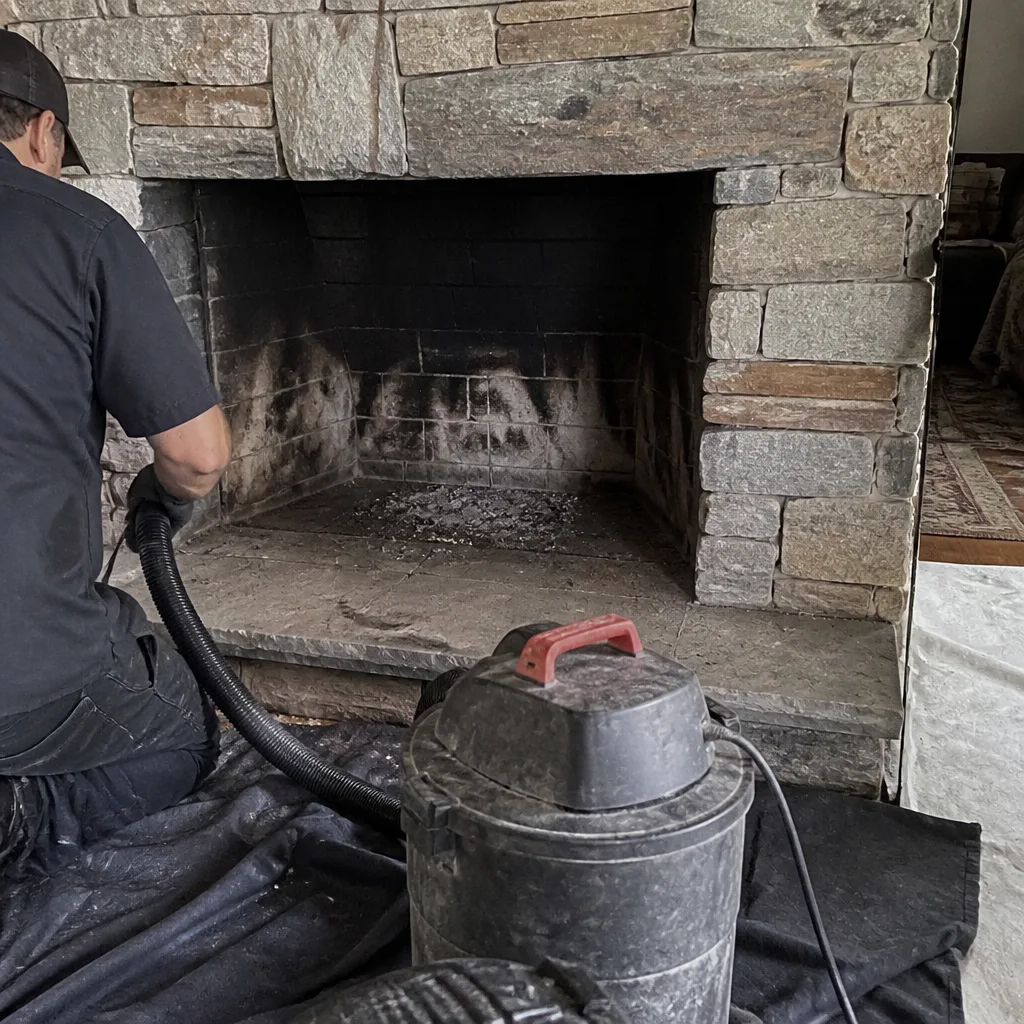 Before
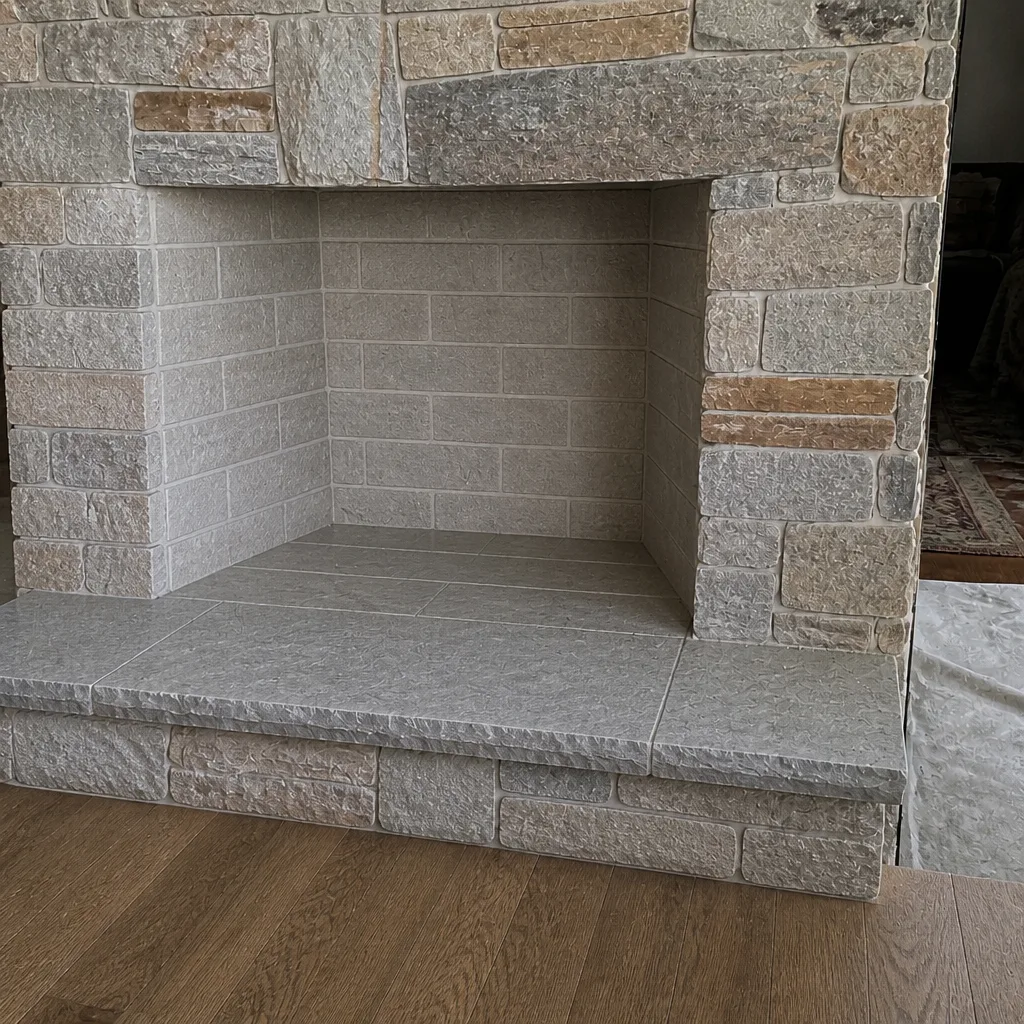 After
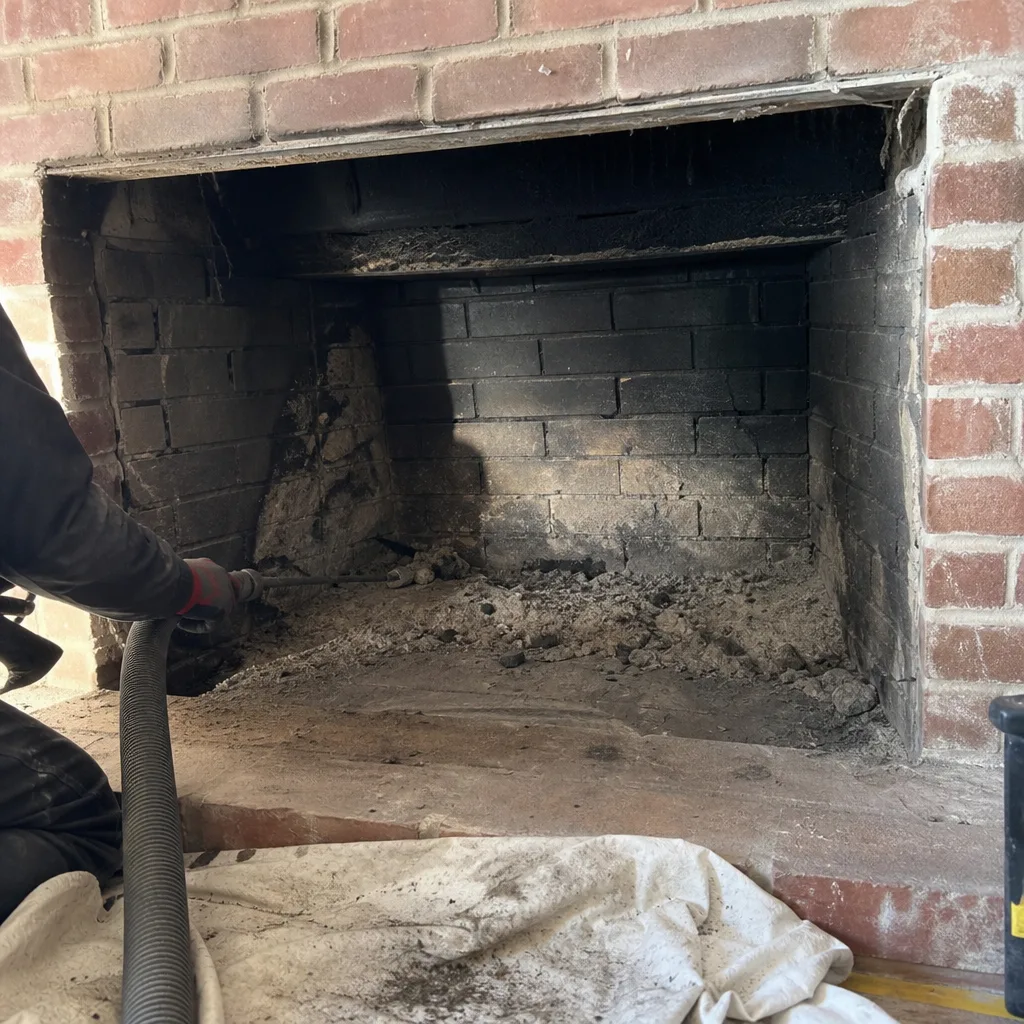 Before
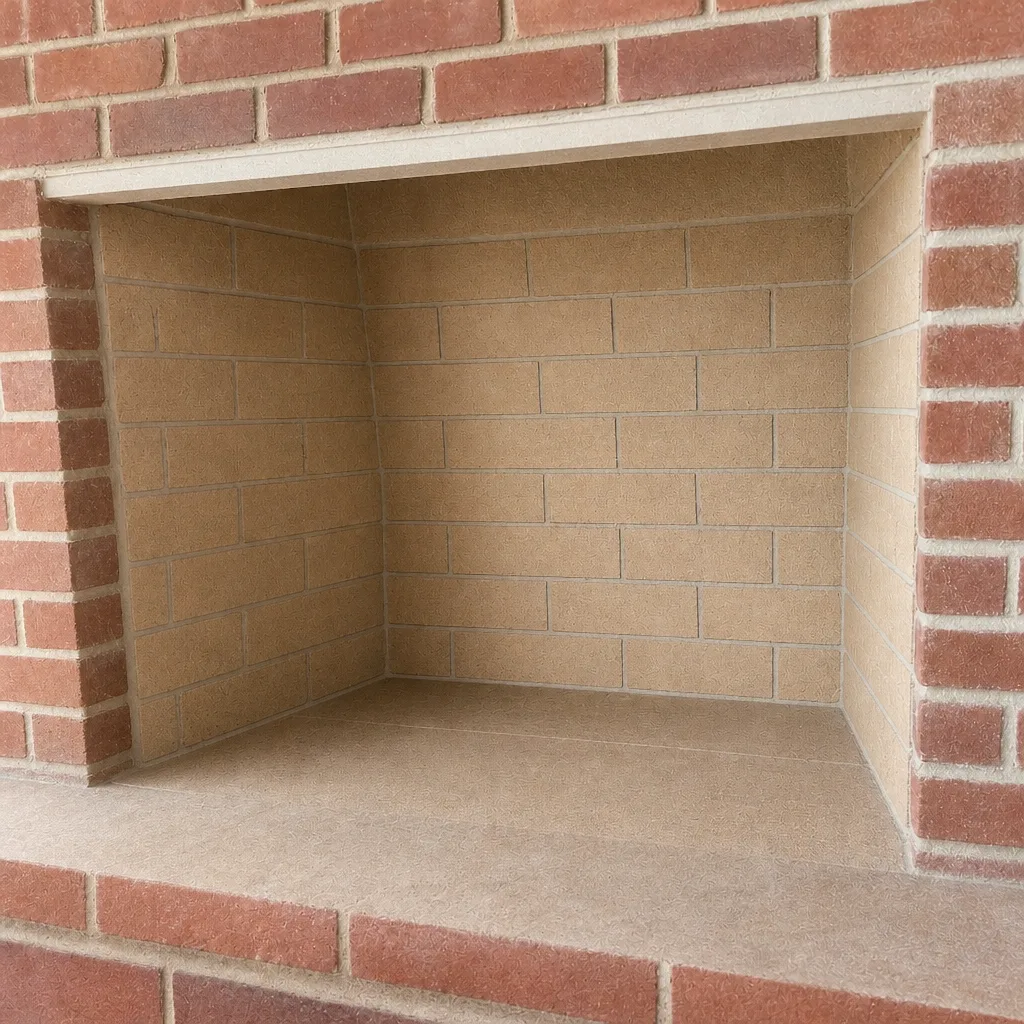 After
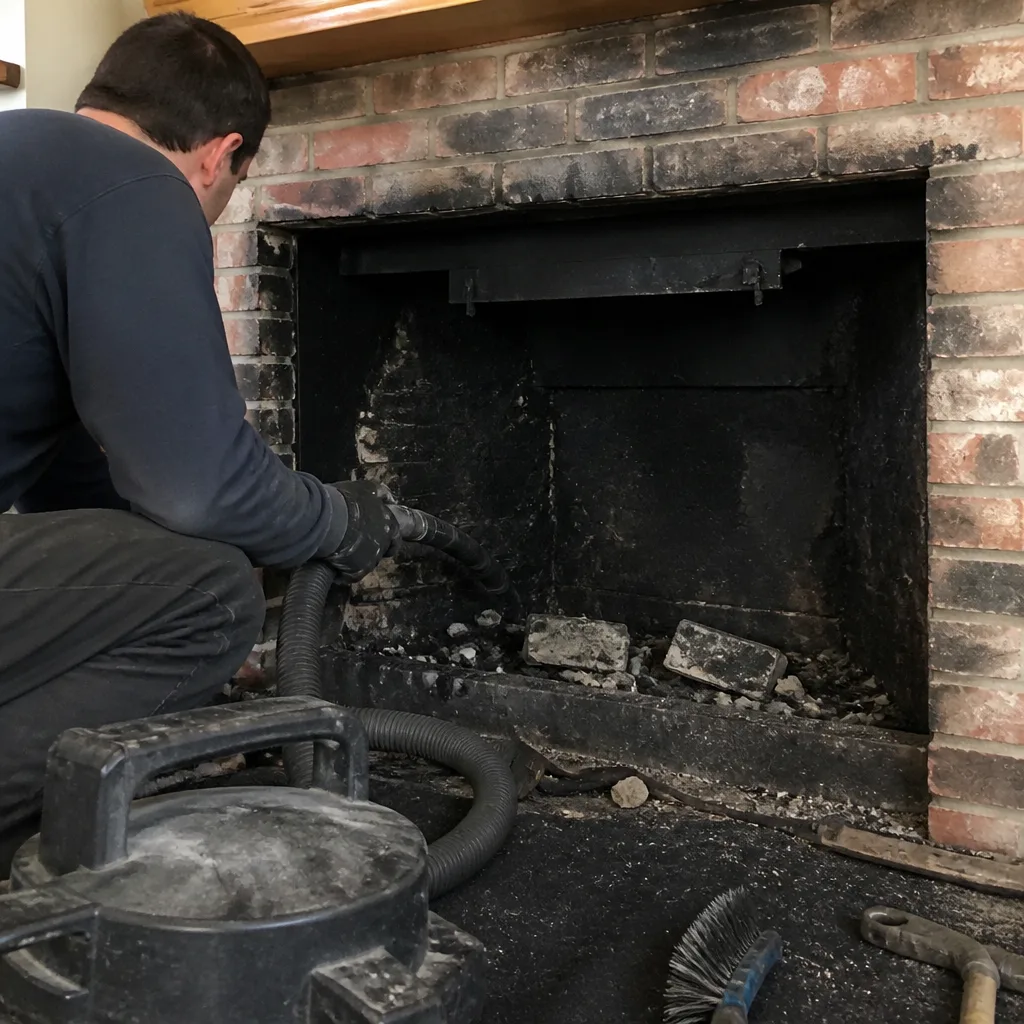 Before
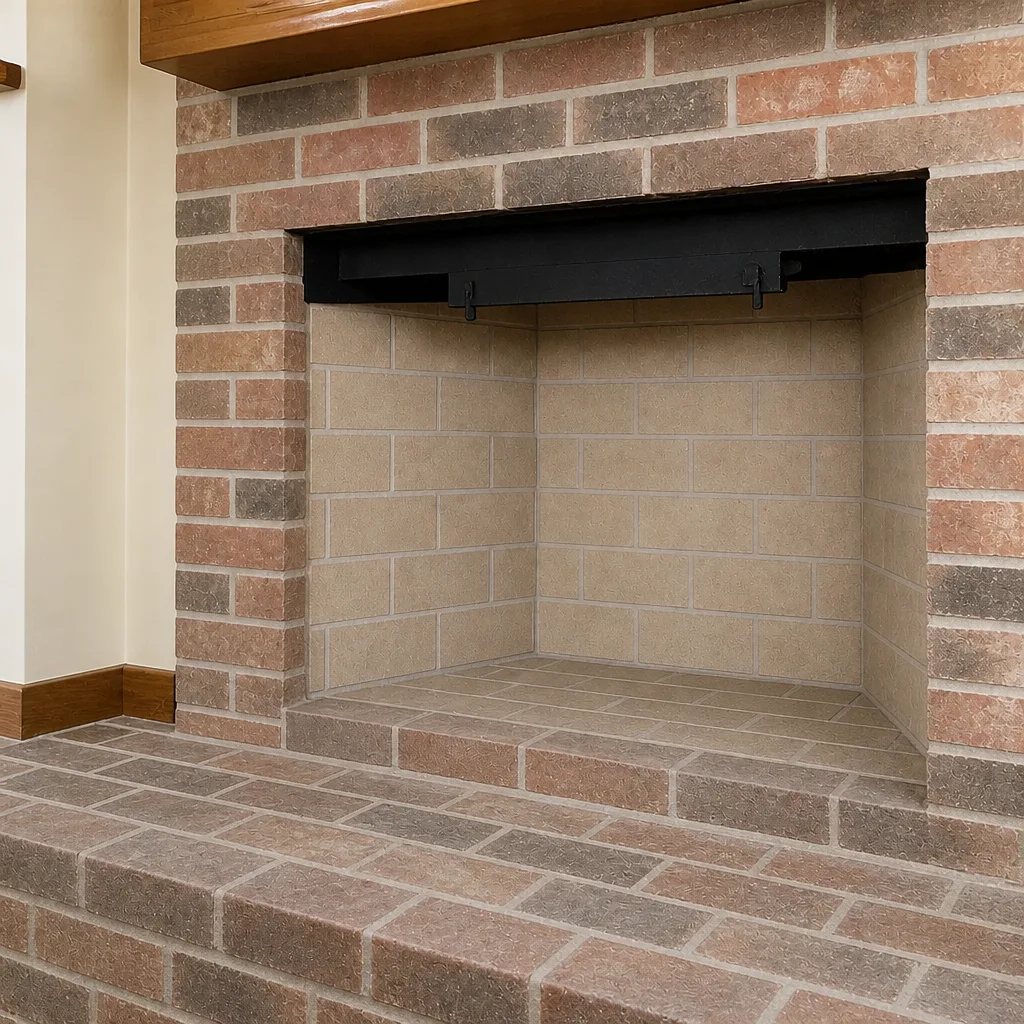 After
HeatShield Products We Service & Install in Castle Rock
We work with the HeatShield systems that show up in Castle Rock homes, from the old downtown core to The Meadows and Crystal Valley. That covers HeatShield CerfCrete for restoring a deteriorated flue, HeatShield CeCure for resurfacing, the HeatShield Golden Flue cast-in-place lining system, and the HeatShield Resurfacing System as a whole.
On the service side, our work concentrates on three things: a Level 2 inspection so we know what’s actually there, careful creosote removal, and firebox repair alongside the flue work. Many Castle Rock fireplaces are wood-burning inserts or freestanding stoves added as backup heat, and those put specific demands on the flue above them. We assess the flue against the appliance, not the other way around.
We Also Service These Brands
HeatShield is one part of the chimney work we do, not the whole of it. We also service DuraFlex and Gelco, and we work with Olympia Chimney, Famco and Copperfield systems as well, so a Castle Rock home with a stainless liner or a different brand of component isn’t a job we pass on. That multi-brand range matters when the right repair for your flue is a stainless re-line rather than a resurfacing.
FAQs – HeatShield Chimney Cleaning Service in Castle Rock
No. We’re an independent HeatShield service provider, not affiliated with or authorized by HeatShield. Our technicians have handled these systems in the field, and we work with HeatShield’s own CerfCrete, CeCure and Golden Flue materials because the chemistry is specific to the system. Any claim of HeatShield authorization isn’t one we make.
Yes. For HeatShield flues we use HeatShield’s proprietary CerfCrete, CeCure and Golden Flue materials, never third-party substitutes. We don’t sell or stock HeatShield parts; we service and repair the system with materials that fit it. If your flue needs a different solution, we’ll tell you that instead of forcing the wrong material into it.
Often it can be cleaned and kept, provided the crack or debond is small and the surrounding liner is bonded to a sound substrate. A liner needs replacing when the failure is widespread or the material has separated from the flue wall beyond what a targeted repair can hold. A video Level 2 inspection is what tells you which one you have, and you should see that footage before agreeing to anything. Call (833) 699-7166 for an exact quote; estimates are free.
Not the schedule itself, but it raises the cost of skipping one. Castle Rock’s long heating season, October through April, with plenty of pine and cedar burning means most wood-burning flues want an annual sweep, and a Golden Flue lining cracks at the joints under that same heat cycling. Creosote sitting in those cracks works into the surrounding brick. Annual sweeping catches it while it’s still a liner problem rather than a masonry problem.
No. CeCure resurfacing has flue-size limits, and the material is only as good as the substrate underneath it. A flue that’s too large, too irregular, or too far gone for resurfacing needs a different approach, often a properly sized stainless liner. That’s a case where heat loss and draft matter as much as the surface. We measure and camera the flue before recommending CeCure, so the material goes where it belongs.
Not reliably. The Palmer Divide throws more snow, more wind and sharper freeze-thaw cycles than the Denver metro, and a missing or undersized cap lets moisture straight into the flue. That moisture gets behind a CeCure layer, freezes, and debonds it. Caps also get ripped loose on high-wind days, and birds and debris pack into open flues. If your cap is gone, that’s the first repair, before any resurfacing. Call (833) 699-7166 for an exact quote; estimates are free.
Ask to see the video, section by section, and ask what specifically failed: cracking at the collar, hollow CeCure, shrinkage at the joints, or an undersized flue. Ask whether the liner can be preserved with a targeted repair and what would tip it toward replacement. If you can’t get clear answers or footage, that’s reason enough to get a second look. Nothing here should be recommended without camera evidence you can review yourself.
A sweep and Level 2 inspection is typically a single visit. A resurfacing or re-pour adds cure time on top of the labor, and that’s set by the material, not by us, so we build it into the schedule when we book. You’ll know the expected timeline before the work starts, and the final price is the one written in your estimate.
Servicing a HeatShield system doesn’t void a warranty by itself, but using the wrong material or cutting corners on cure time can. That’s why we stay with HeatShield’s CerfCrete, CeCure and Golden Flue and keep before-and-after photos and material records. You’ll have the documentation a warranty claim needs, and we’re not going to put a substitute in your flue to save a few dollars.
Most HeatShield sweeps with a Level 2 inspection run in the low-to-mid hundreds of dollars, and a repair or resurfacing depends entirely on what the camera shows. We give a flat price per job from a written estimate, agreed before we book, and the estimate is free. Call (833) 699-7166 for an exact quote; estimates are free.
Book Your HeatShield Service in Castle Rock, CO
Whether your HeatShield flue just needs a careful annual sweep or the camera is going to show something that needs real work, we’ll walk you through it with the footage in front of you. Call (833) 699-7166 for a free estimate. We answer 24/7. Fast dispatch from 7am to 7pm, Sunday through Friday.
Written by the team at Chimney Sweep Castle Rock.