
 Sweep & inspection
 Caps & crowns
 Flue relining
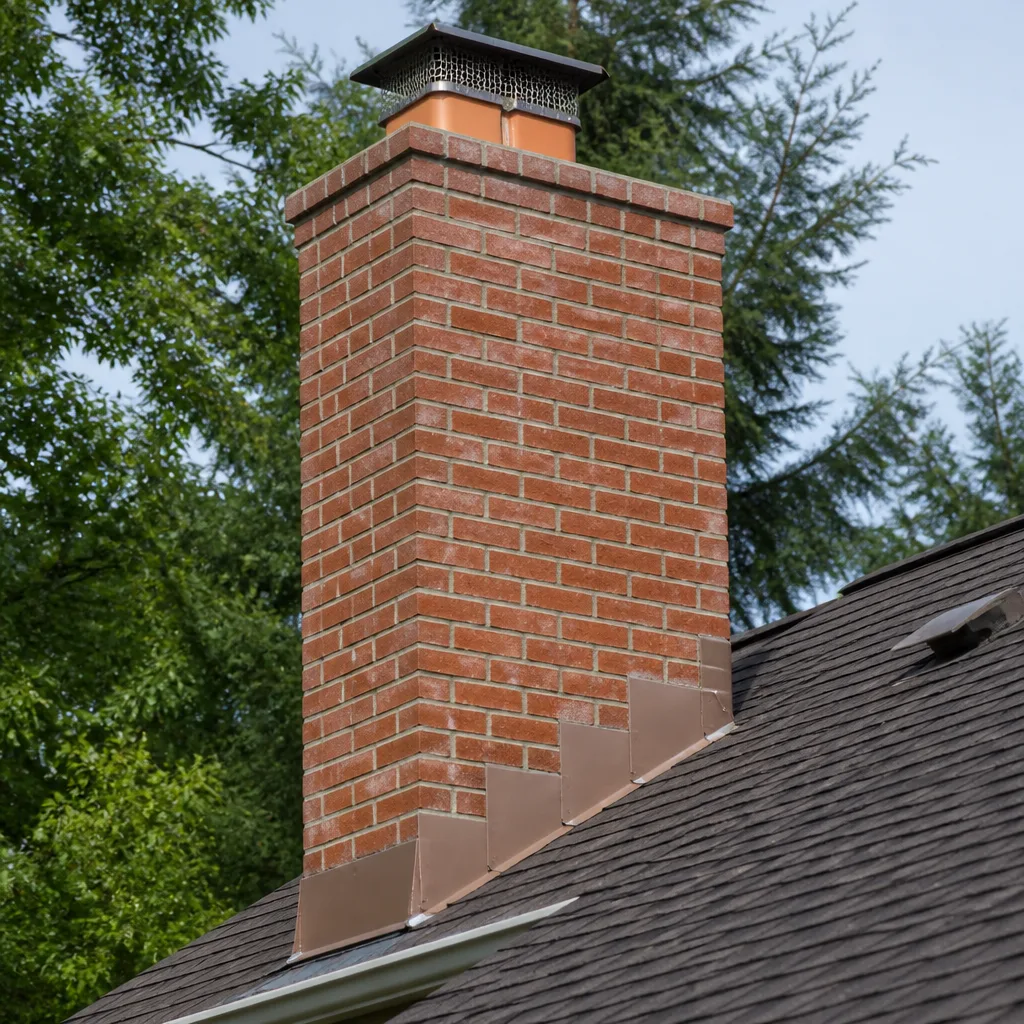 Masonry repair
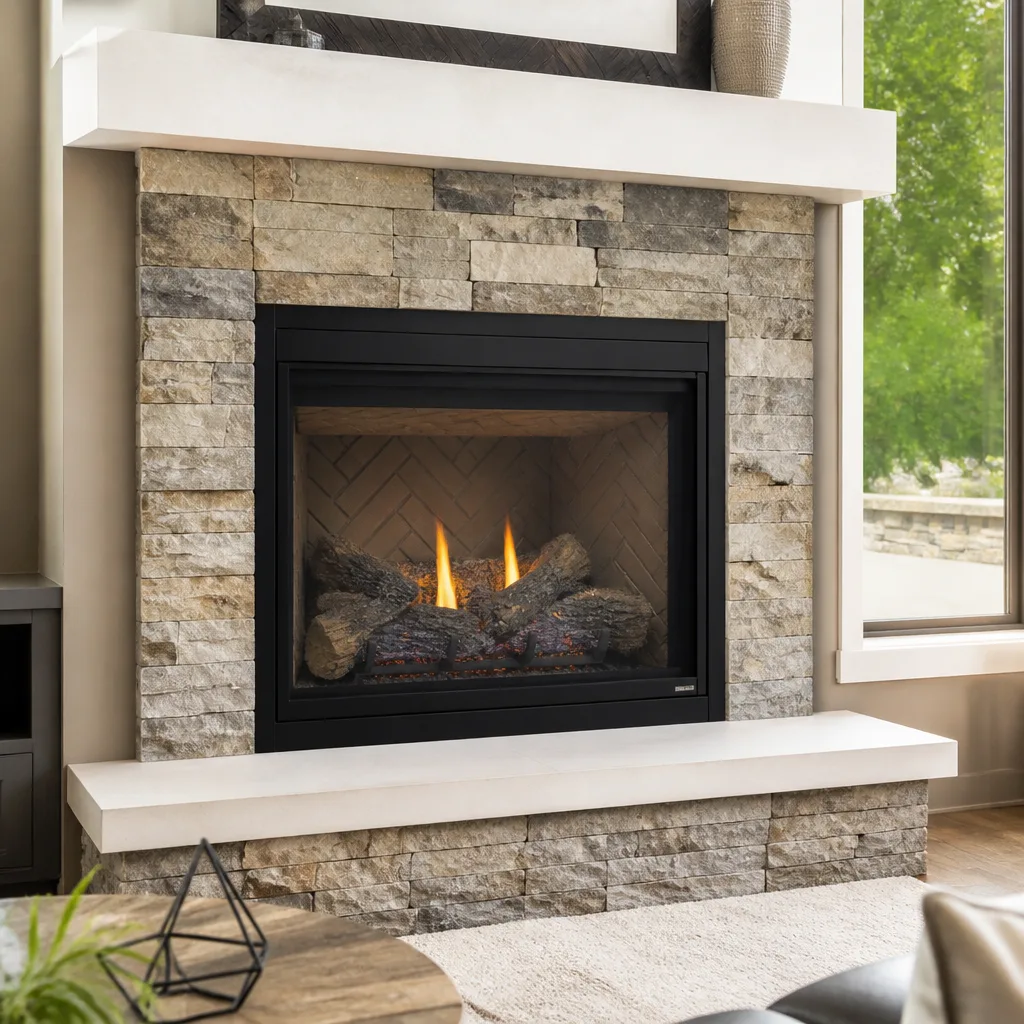 Gas fireplace service
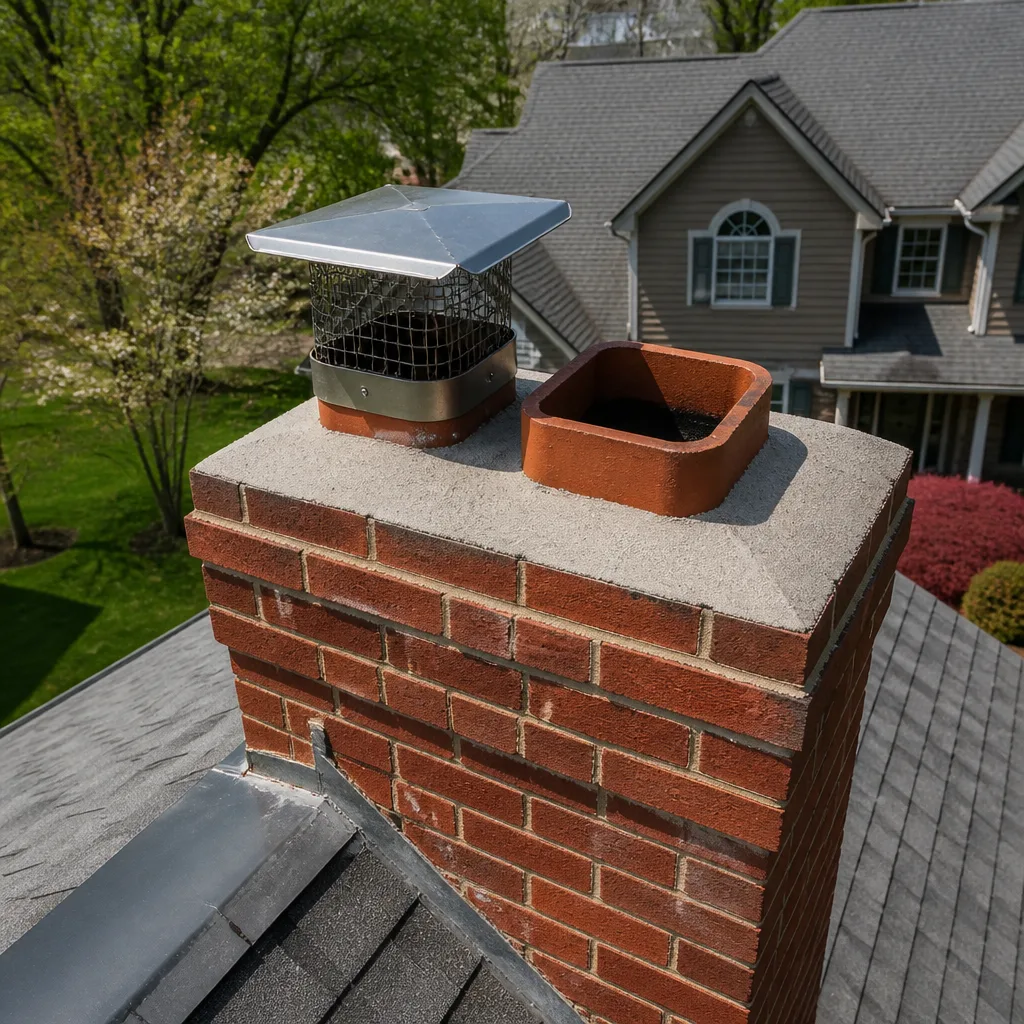
Level 1 sweep and inspection to the NFPA 211 annual standard - flue, crown, cap, and flashing checked and photographed
Chimney sweep logs do not sweep chimneys. They loosen some creosote - which then falls where a brush and vacuum still have to collect it.
Fast, Reliable Chimney Inspection Across Black Forest
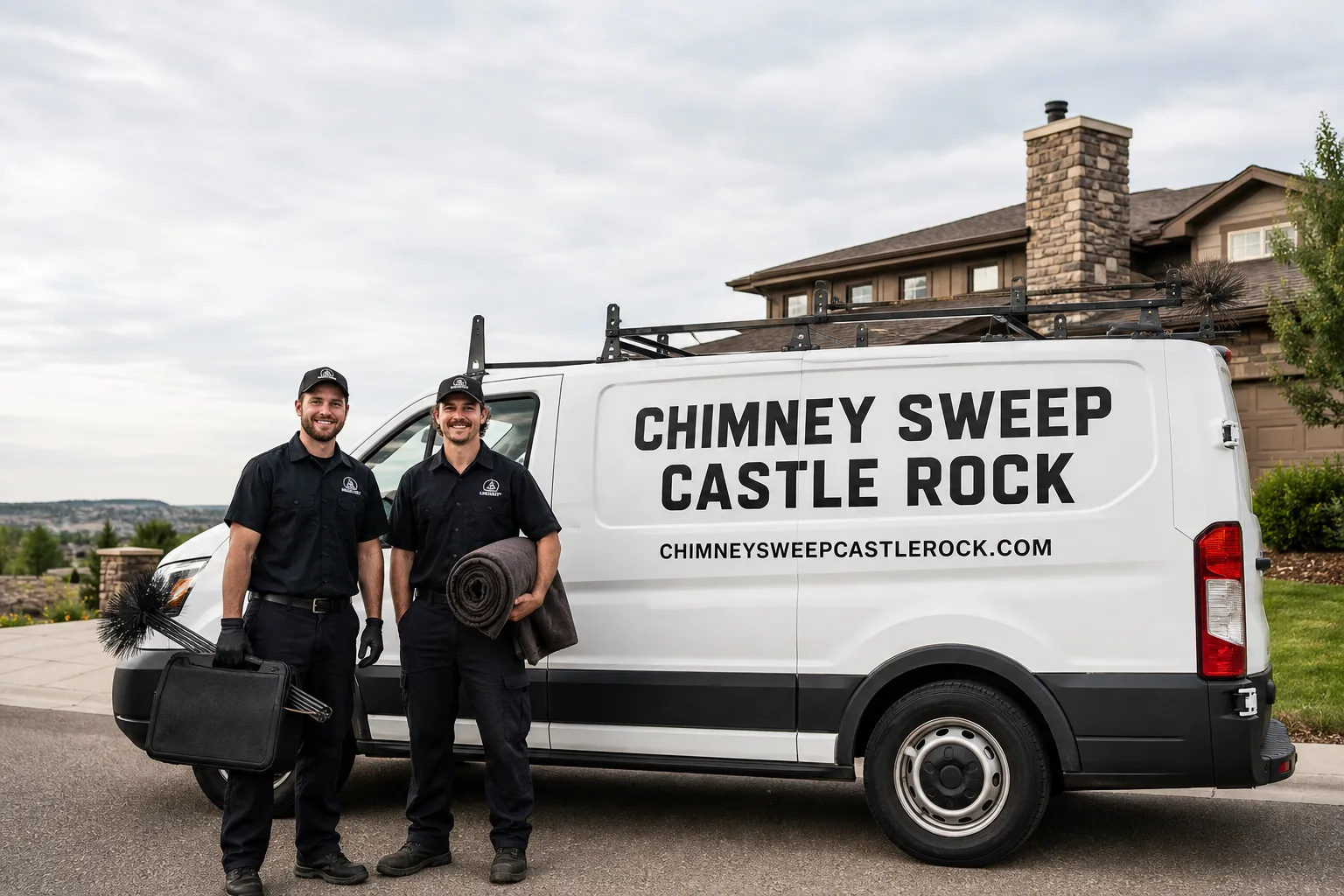
If you heat with wood east of the Colorado Springs line, a chimney inspection in Black Forest is a different job than it is down in the city. Lots out here run one to five acres or more, the tree cover is dense, and most homes run a wood stove as a real heat source from October into April rather than lighting a fire a few nights a year. We’re chimney-only specialists, not a general handyman outfit, and we answer the phone 24/7 at (833) 699-7166. Fast dispatch from 7am to 7pm, Sunday through Friday. What you get before anything is booked is a flat-price sweep agreed up front, plus a camera inspection and photo report included with the visit, so you can see the flue for yourself instead of taking our word for it.
Why Black Forest Homeowners Call Chimney Sweep Castle Rock for Chimney Inspection
Black Forest isn’t a suburb in the usual sense. It’s a semi-rural, heavily wooded community where the housing stock is mostly custom and semi-custom single-family homes on large parcels, many of them built from the 1970s through the 2000s, with a high share of wood-burning fireplaces, freestanding stoves, and masonry or factory-built chimneys. Long driveways and rural addresses mean access and equipment staging matter as much as the flue itself, and we plan for that when we schedule a visit. That’s the kind of work we take on across Black Forest.
Our technicians have up to 9 years of experience, and every one of them works chimney-only. Nobody on the job is a seasonal generalist rotating between HVAC, gutters, and chimneys; the trade is the whole trade for us. We carry the same professional-grade brands certified chimney professionals specify nationwide, including Olympia Chimney, DuraFlex, and Copperfield, so when an inspection turns up a cracked crown or a liner that needs resurfacing, we can talk through the repair with real parts in mind rather than a hardware-store substitute. We can also work with your insurer if an inspection report is part of a claim or a policy requirement.
Styles & brands we work with
- Sweep & inspection
- Caps & crowns
- Flue relining
- Masonry repair
- Gas fireplace service
Our Chimney Inspection Services in Black Forest
Level 2 Inspection
For pine-burning households in Black Forest, a Level 2 inspection is often the right baseline rather than a luxury. At 7,000 to 8,000 feet, with dense ponderosa pine as the local fuel, many chimneys reach first- or second-degree creosote by mid-winter, and the deposit can glaze onto the flue liner where a brush can’t fully reach it. A Level 2 inspection goes beyond the accessible parts of the firebox and flue, using a camera to see the whole liner, plus the smoke chamber and damper.
Camera Inspection
A camera inspection is how we find glazed creosote before it firms up into third-degree and turns into a liner replacement instead of a sweep. It’s also how we catch a liner that looks fine from the firebox but has a gap, crack, or offset higher up. You get the footage and photos as part of the visit, so you’re looking at the same thing we are.
Level 3 Inspection
A Level 3 inspection is the deep one, and it only happens when a Level 1 or Level 2 turns up evidence of a problem that can’t be seen otherwise – a suspected hidden crack, damage after a chimney fire, or a masonry issue in a concealed section of the chimney. We don’t recommend it casually. In older masonry chimneys on Black Forest parcels, it’s occasionally the only way to know what’s really going on inside a chase.
Level 1 Inspection
A Level 1 inspection is the routine checkup: firebox, damper, accessible flue, cap, and crown, with a look at the appliance connections. It’s the right call when a chimney is in regular use and nothing has changed. For a Black Forest shop stove or outdoor fire pit flue that only gets seasonal use, a Level 1 on that appliance is often the missing piece.
All six of these fit under our chimney inspection service, and we can recommend the right level based on what you tell us about how you burn and what we see on arrival.
Trusted Brands We Service in Black Forest
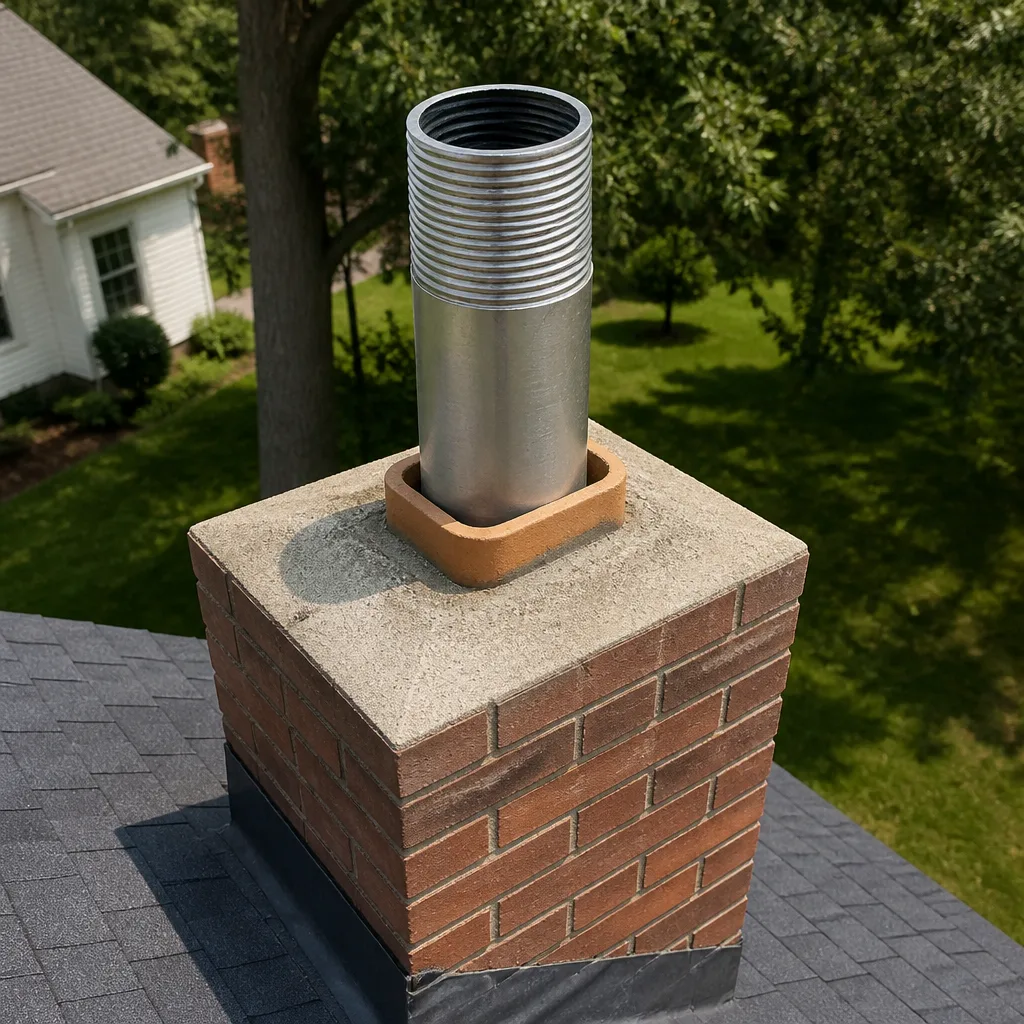
Inspection work on a Black Forest chimney often leads to a repair, so it helps to know the brands we work with: Olympia Chimney, DuraFlex, Copperfield, Famco, Gelco, and HeatShield. HeatShield matters most here, since liner resurfacing lets us restore a deteriorating flue without tearing out masonry, a fix most general contractors can’t perform. DuraFlex flexible liner systems let us reline complex, offset, or aged chimneys that rigid-liner installers would turn away. We don’t claim to carry any of this in stock locally, but the parts we specify are professional-grade. From the first inspection to the finished repair, you’re dealing with one trade specialist.
Common Chimney Inspection Problems We See in Black Forest Homes
A lot of what we find in Black Forest isn’t exotic; it’s the predictable result of heavy wood burning in a cold, high-elevation, forested place. Here’s what comes up most.
- Assuming one sweep a year is enough. Burning pine as a primary heat source from October to April builds creosote fast, and a single annual brush often leaves second-degree deposit behind that a sweep alone can’t fully remove. That’s why we lean on camera inspection, not just the brush.
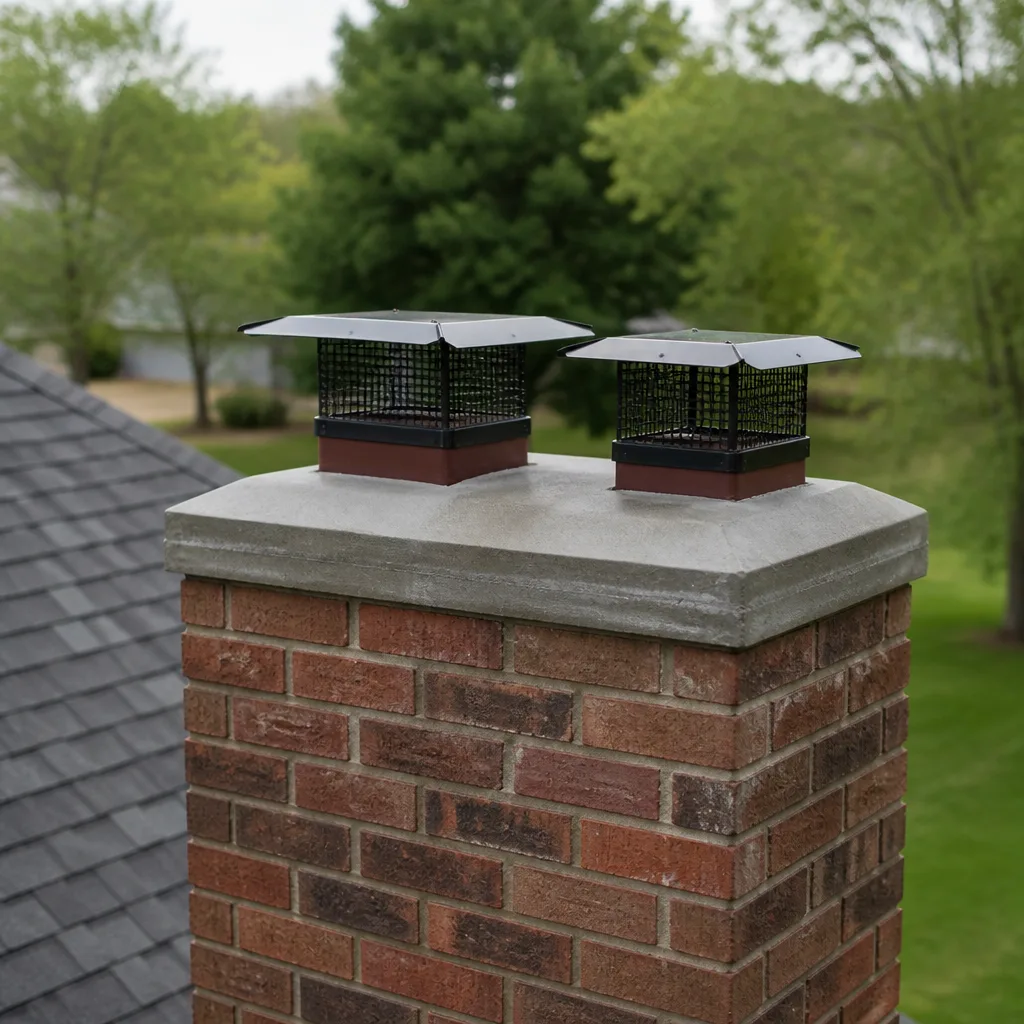
- Cracked crowns and missing spark arrestors after a hard freeze. Black Forest sits in a high-wind, wildfire-prone corridor, and exterior masonry chimneys routinely show cracked crowns and missing spark arrestors after a hard freeze. A bad crown admits water and animals that can block the flue, and a missing arrestor lets embers reach the surrounding forest.
- Secondary flues nobody inspects. Large rural lots often mean an outdoor fire pit or a shop stove in addition to the living-room fireplace, and those second flues get skipped while hidden creosote builds. They need the same inspection rhythm as the main chimney.
- Long driveways and staging that get in the way. Rural addresses mean access and equipment staging matter, and sometimes inspections get put off simply because of the drive. We plan for it rather than let it slip.
See the difference
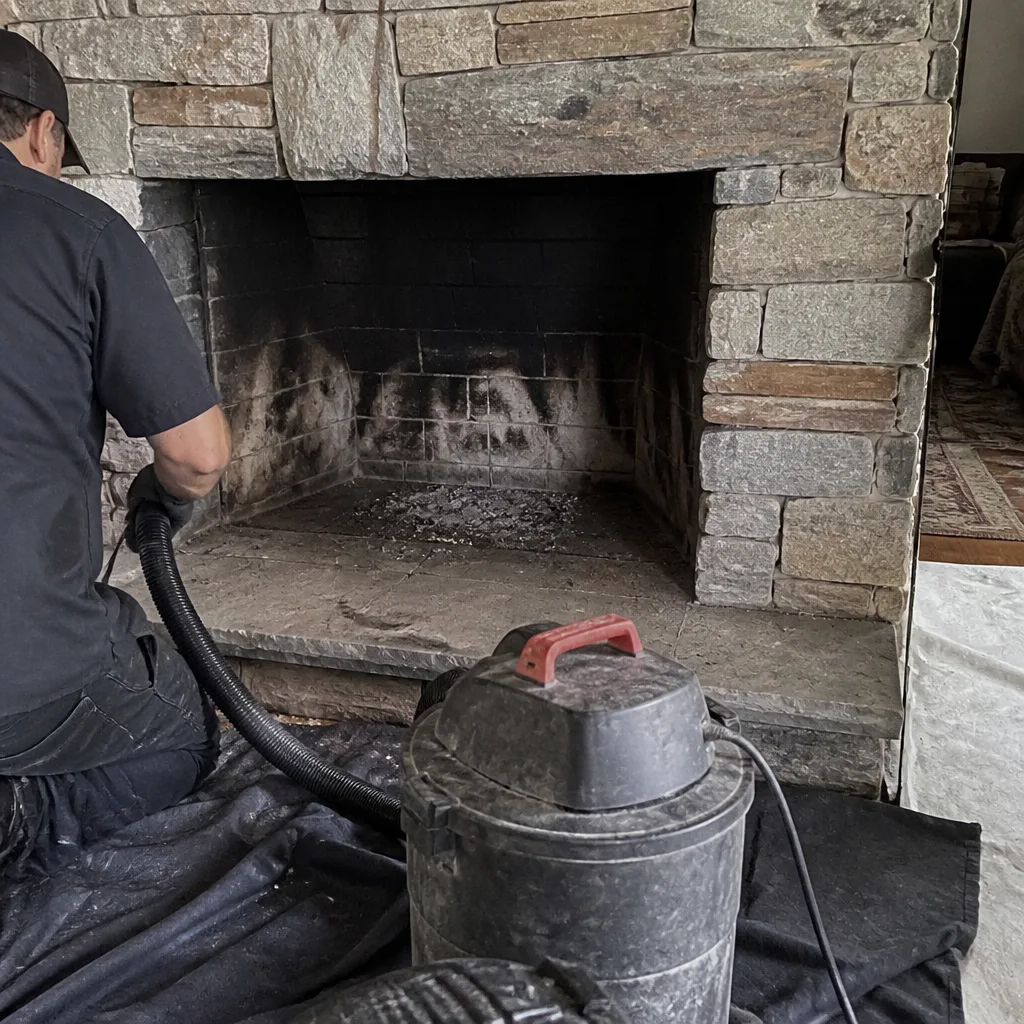 Before
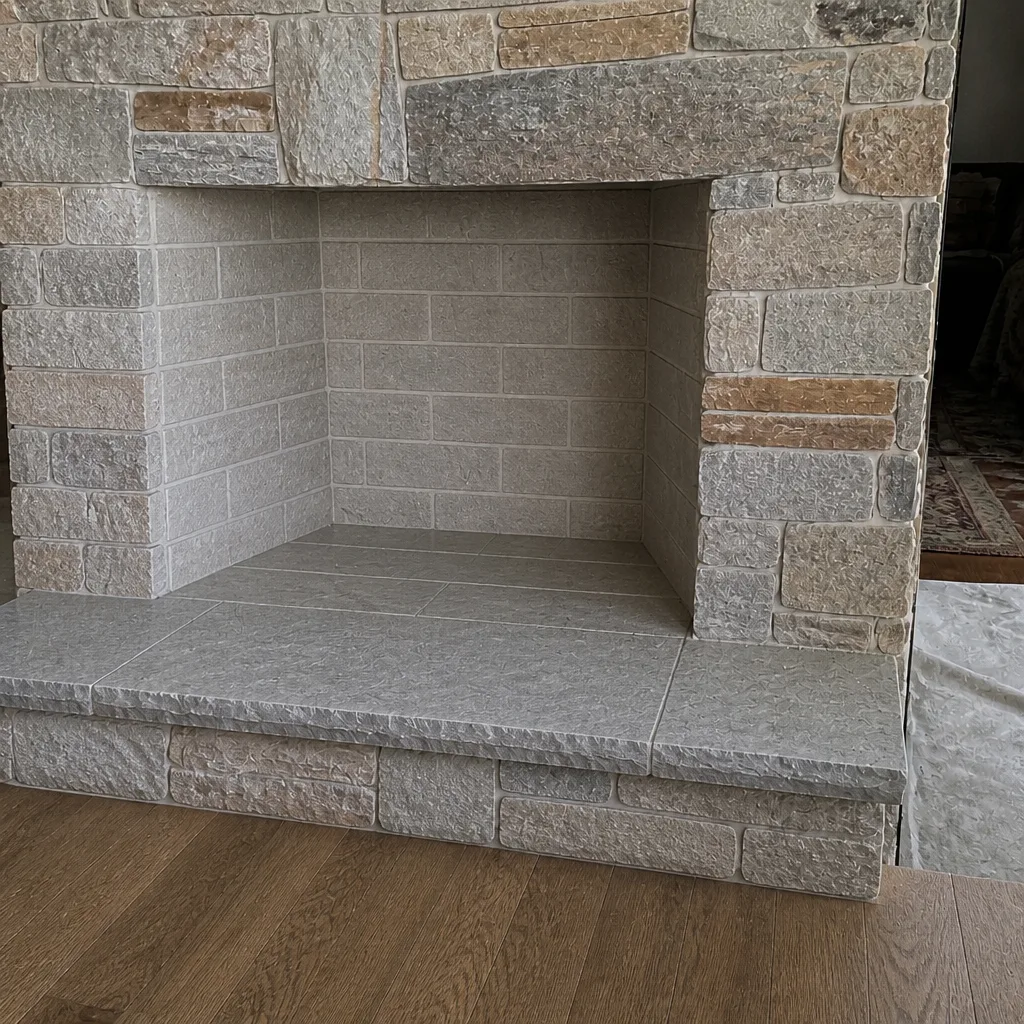 After
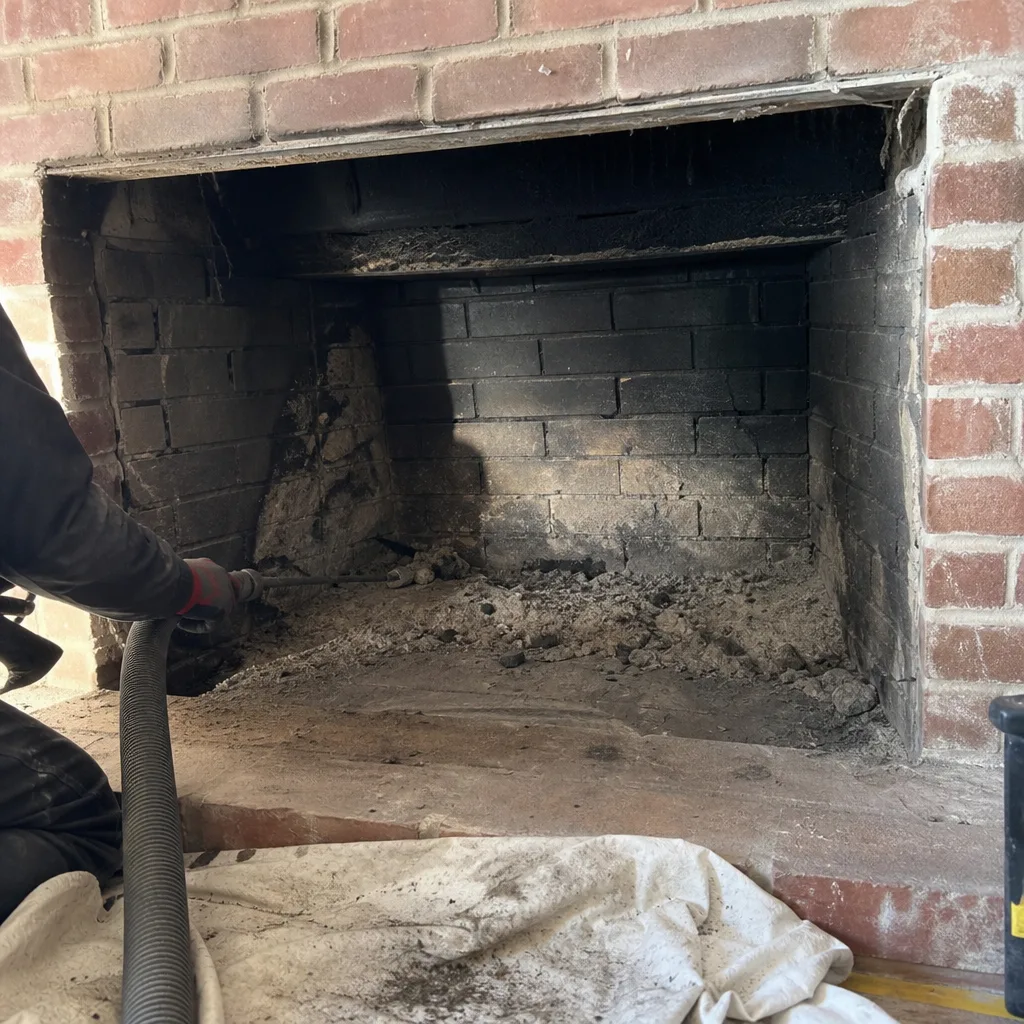 Before
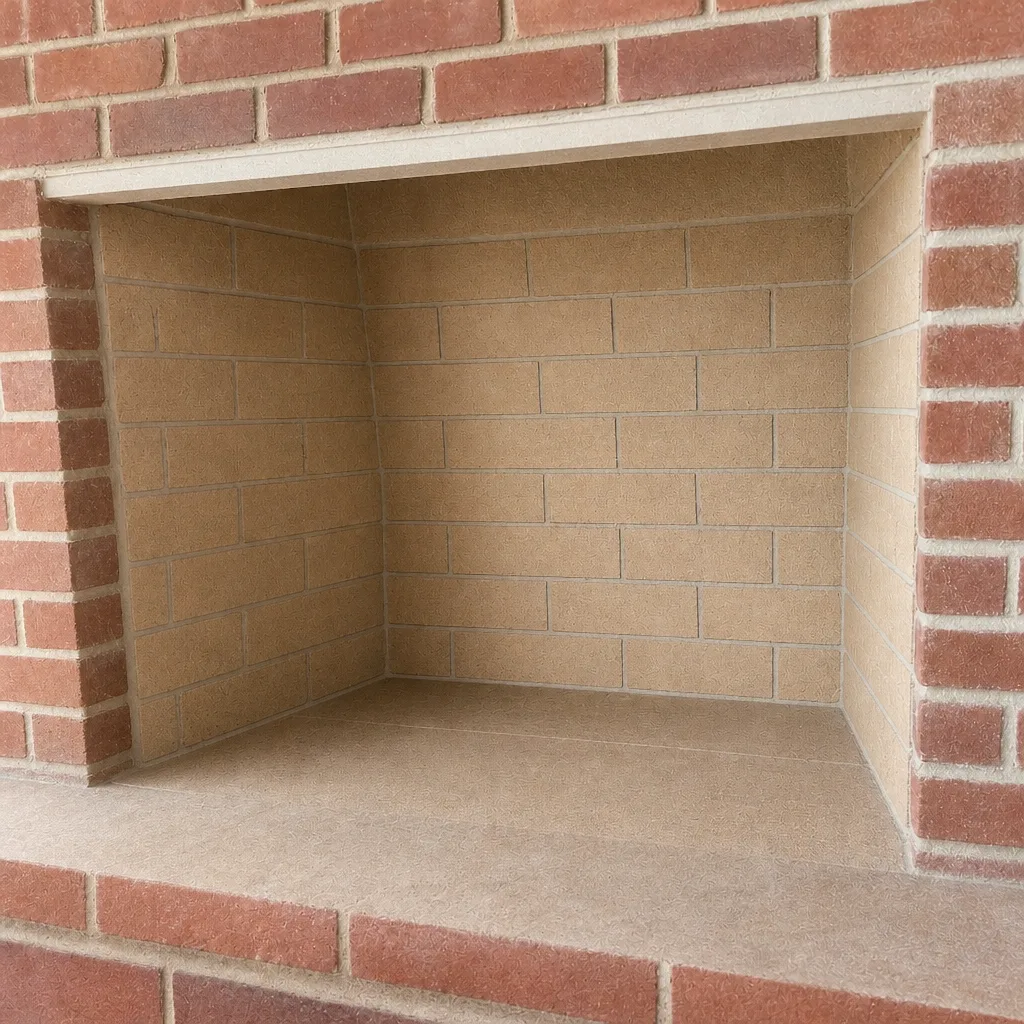 After
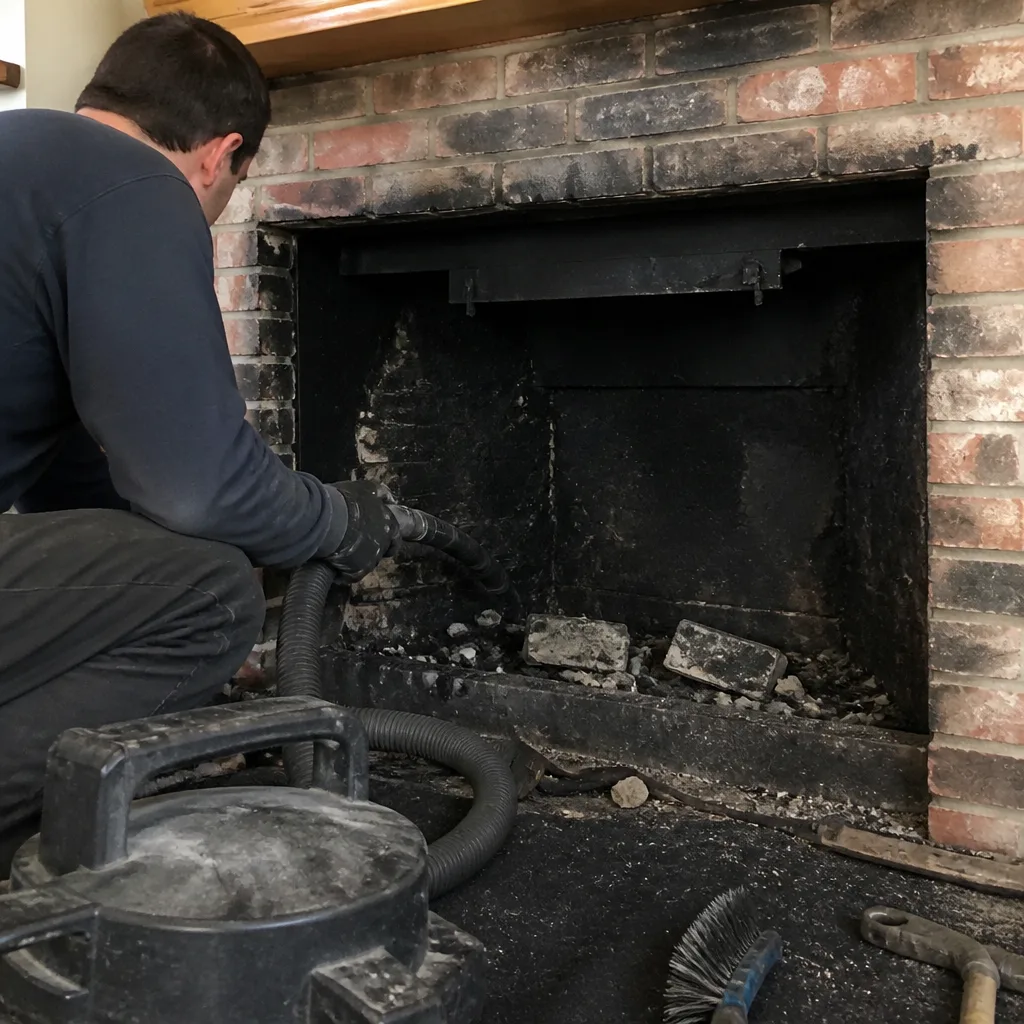 Before
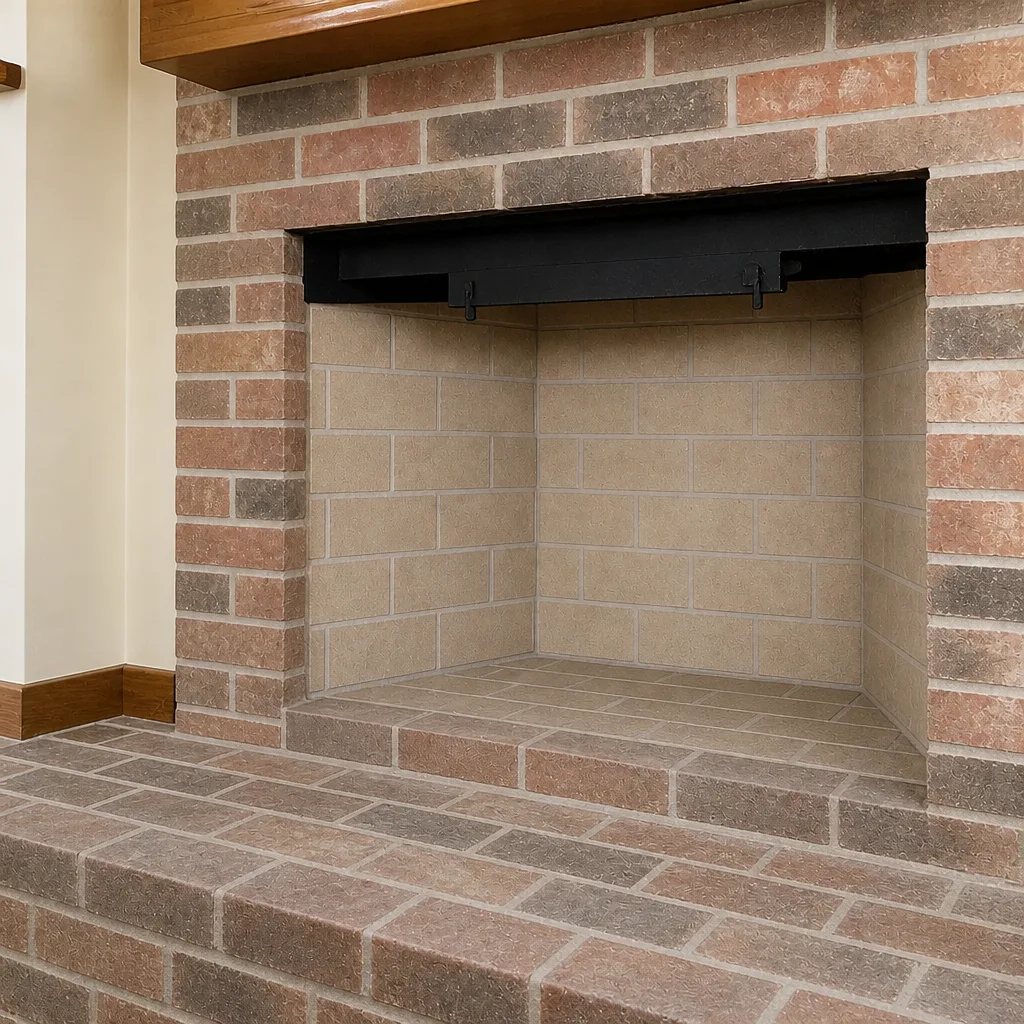 After
Pricing for Chimney Inspection in Black Forest, CO
Chimney inspection pricing in Black Forest is set per job by a written estimate, and it’s a genuinely useful range to know before you call. A typical Level 1 inspection runs $95 to $150. A Level 2 inspection with camera, which most pine-burning households here need at least once a season, runs $175 to $325. A Level 3 inspection, the deep one, runs $400 to $900 depending on how much of the chimney has to be opened up. A real estate inspection for a Black Forest home with a wood stove runs $175 to $350. What moves the number is the level of inspection required, whether there’s more than one flue, and whether access problems on a large lot need extra time. The estimate is free, and the written estimate is what sets the final price.
We Also Serve Cities Near Black Forest
Black Forest sits at the north edge of the Colorado Springs metro, and we also take chimney inspection work in the nearby communities of Gleneagle, Monument, Woodmoor, and Palmer Lake. If you’re on a rural parcel in any of these, the same wood-stove-as-primary-heat approach applies. Call (833) 699-7166 and we’ll talk through your setup and book an inspection.
Serving Black Forest, CO – Our Local Coverage Area
We serve Black Forest and nearby communities. Use the map below to see the area we cover. If you’re nearby, we can almost certainly help.
FAQs – Chimney Inspection in Black Forest
When you burn pine as your main heat from October into April, plan on an inspection each fall and a camera check mid-season. That’s more often than the yearly sweep most of the county does, and it’s driven by the fuel: dense ponderosa pine builds creosote faster here at 7,000 to 8,000 feet than hardwood burned a few nights a week. Call (833) 699-7166 to book your fall inspection.
A Level 2 inspection includes a camera look at the entire flue liner, smoke chamber, and damper, plus the cap and crown, which a sweep alone doesn’t reach. A brush cleans what it can touch; the camera shows what’s above and behind. On a Black Forest wood stove vented into a factory-built chimney, that’s how we catch glazed creosote and a cracked crown in the same visit. Call (833) 699-7166 for a Level 2 inspection quote.
Yes. Second flues often get skipped on large rural lots, which is where hidden creosote builds unnoticed. We inspect the main chimney and any secondary flue in the same visit, and we’ll tell you plainly if a secondary appliance only needs a Level 1 check. Call (833) 699-7166 and tell us what you’ve got.
The degree tells us how aggressive the fix needs to be. First-degree creosote is mostly soot a brush handles; second-degree is flaky and sticky and often needs a rotary sweep plus camera confirmation; third-degree is glazed and hardened and can mean liner resurfacing or replacement. That’s why a camera inspection, not a sweep alone, matters on a pine-burning Black Forest chimney. Call (833) 699-7166 and we’ll look and tell you honestly where you stand.
A real estate inspection should cover the full accessible flue, the firebox and damper, the stove or insert connections, the cap and crown, and a camera look at the liner, so a buyer knows what they’re getting. On a rural Black Forest parcel, it should also account for any secondary flue. We’ll give you a written report with photos you can share with your agent. Call (833) 699-7166 for a free estimate before closing.
How a Typical Black Forest Inspection Goes
Most jobs here follow a pattern. A technician finds a freestanding wood stove vented into a factory-built chimney with a heavy creosote load from burning pine. The liner may be intact, but the chimney cap is missing and the crown is cracked from a freeze-thaw cycle. A Level 2 camera inspection often reveals first- or second-degree creosote on the smoke chamber and damper. The usual fix is a rotary sweep, then a crown repair and spark arrestor cap installation. The point of the camera is to see the liner before anyone recommends a repair, and to say plainly when a job can safely wait.
One thing worth knowing about this area: burning practice shapes how fast creosote builds. Seasoned wood, a hot fire rather than a smoldering one, and regular air flow all cut deposit down. A fireplace that burns cold and slow all winter is the one that loads up fastest, and it’s the one that needs the shorter inspection interval.
If you heat with wood in Black Forest, don’t rely on feeling for a buildup. Get the flue looked at properly, see the camera footage yourself, and go into the burn season knowing where you stand. Call (833) 699-7166 for a free estimate. We answer 24/7. Fast dispatch from 7am to 7pm, Sunday through Friday. We’re closed on Saturday.
Written by the team at Chimney Sweep Castle Rock.