
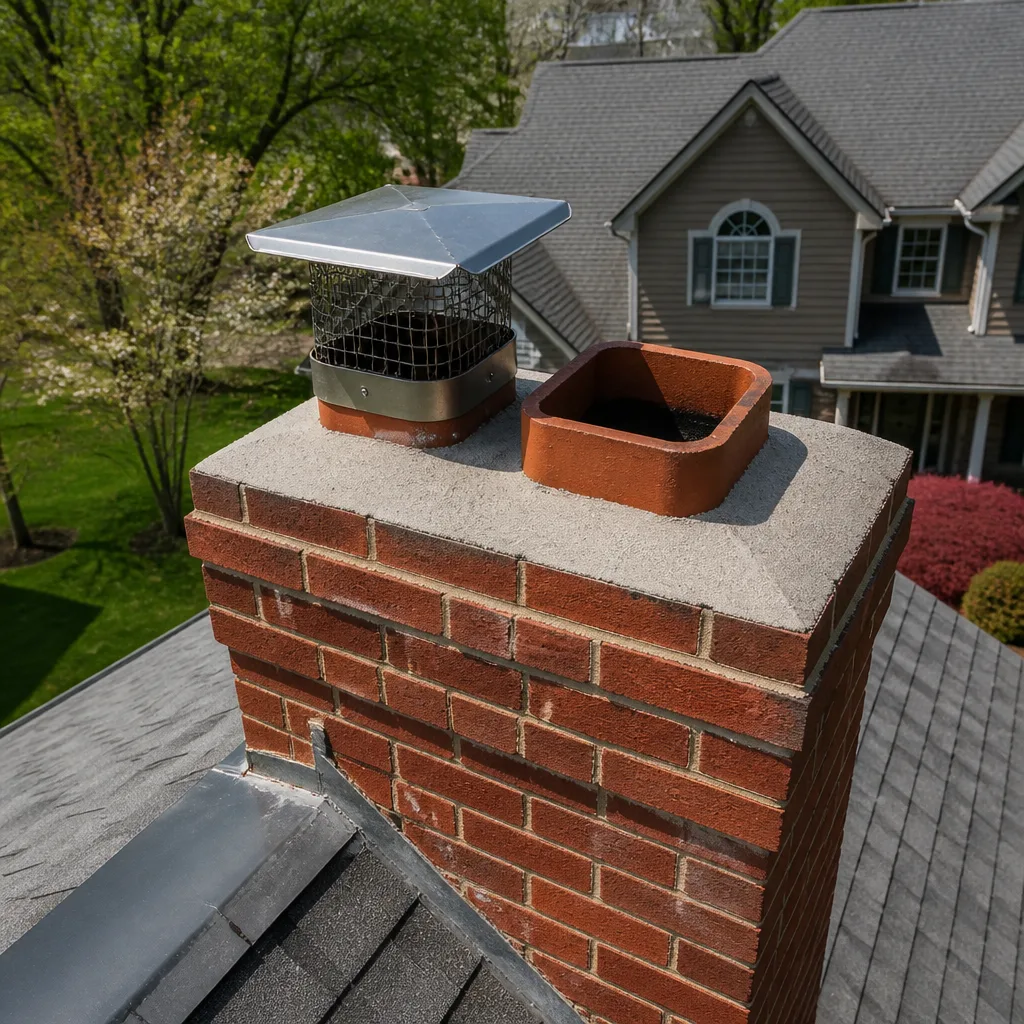
 Sweep & inspection
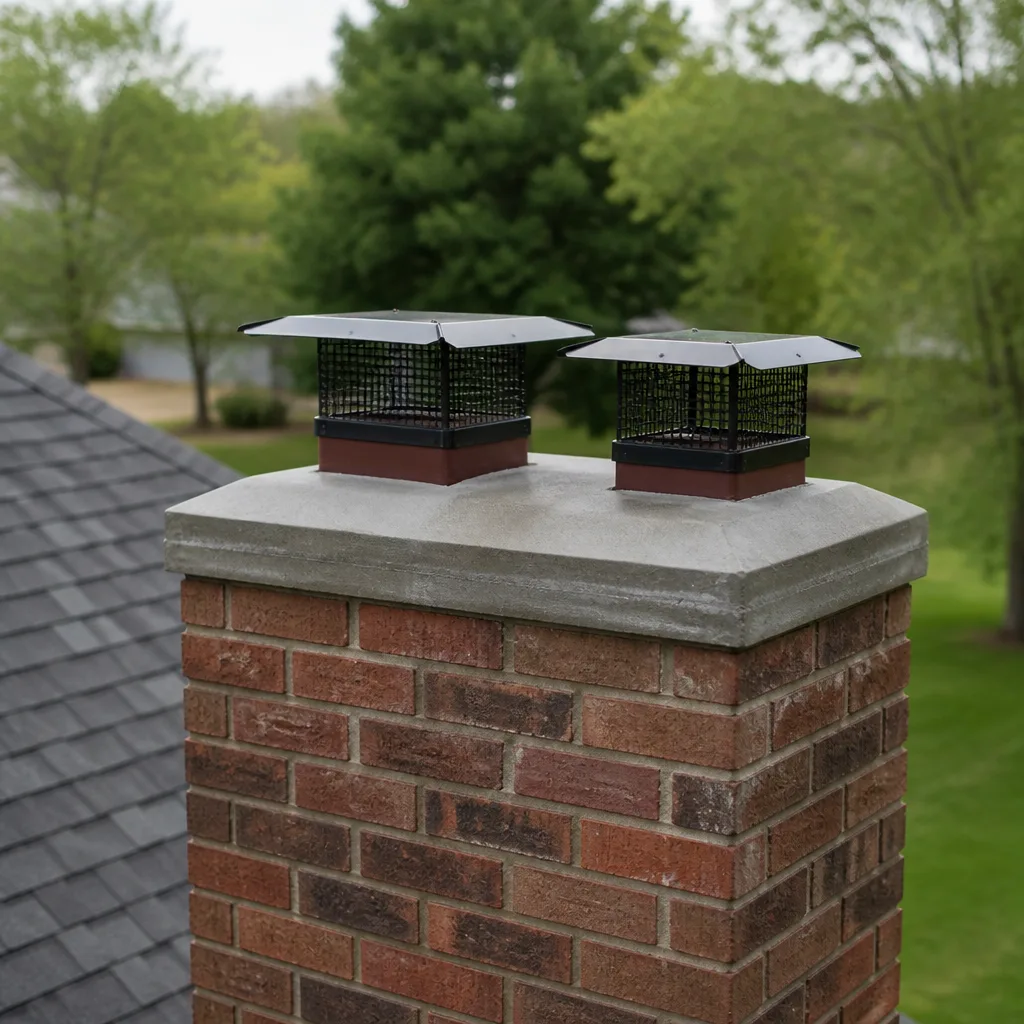 Caps & crowns
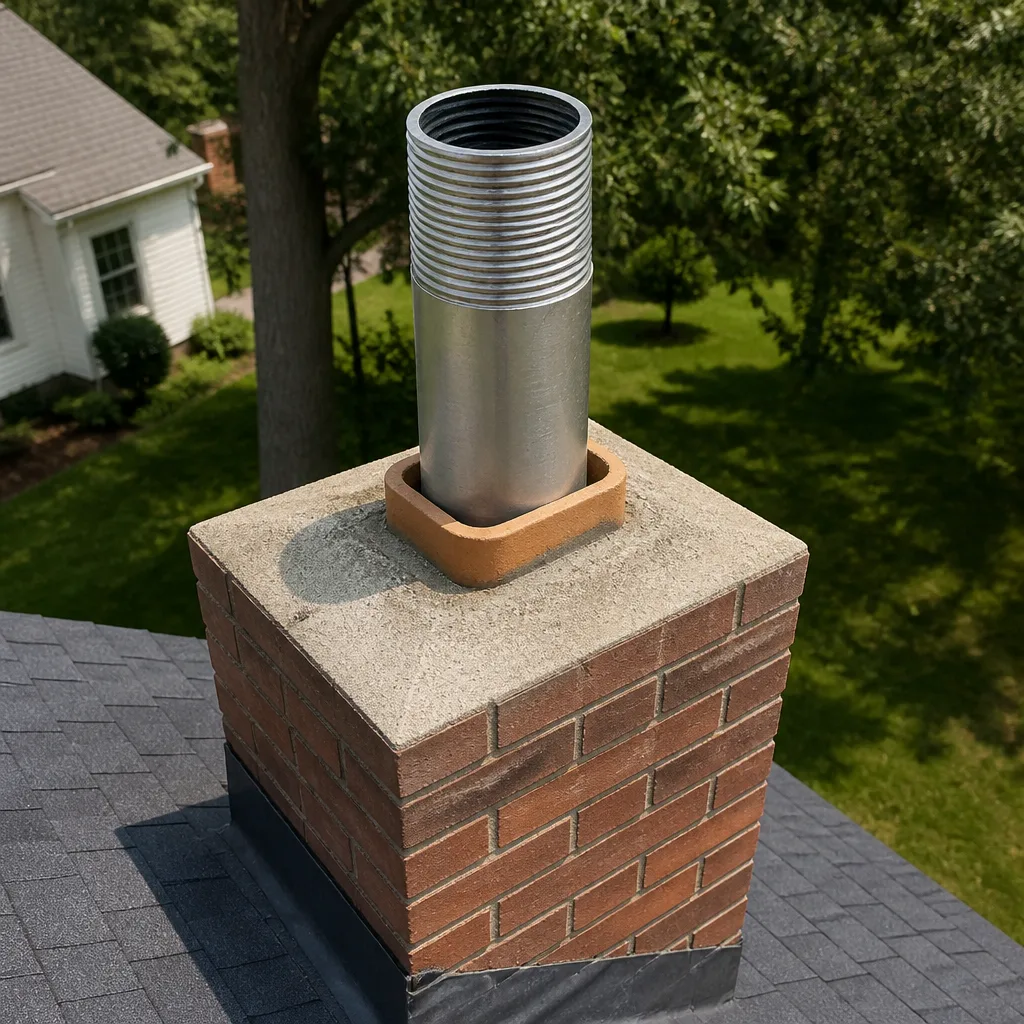 Flue relining
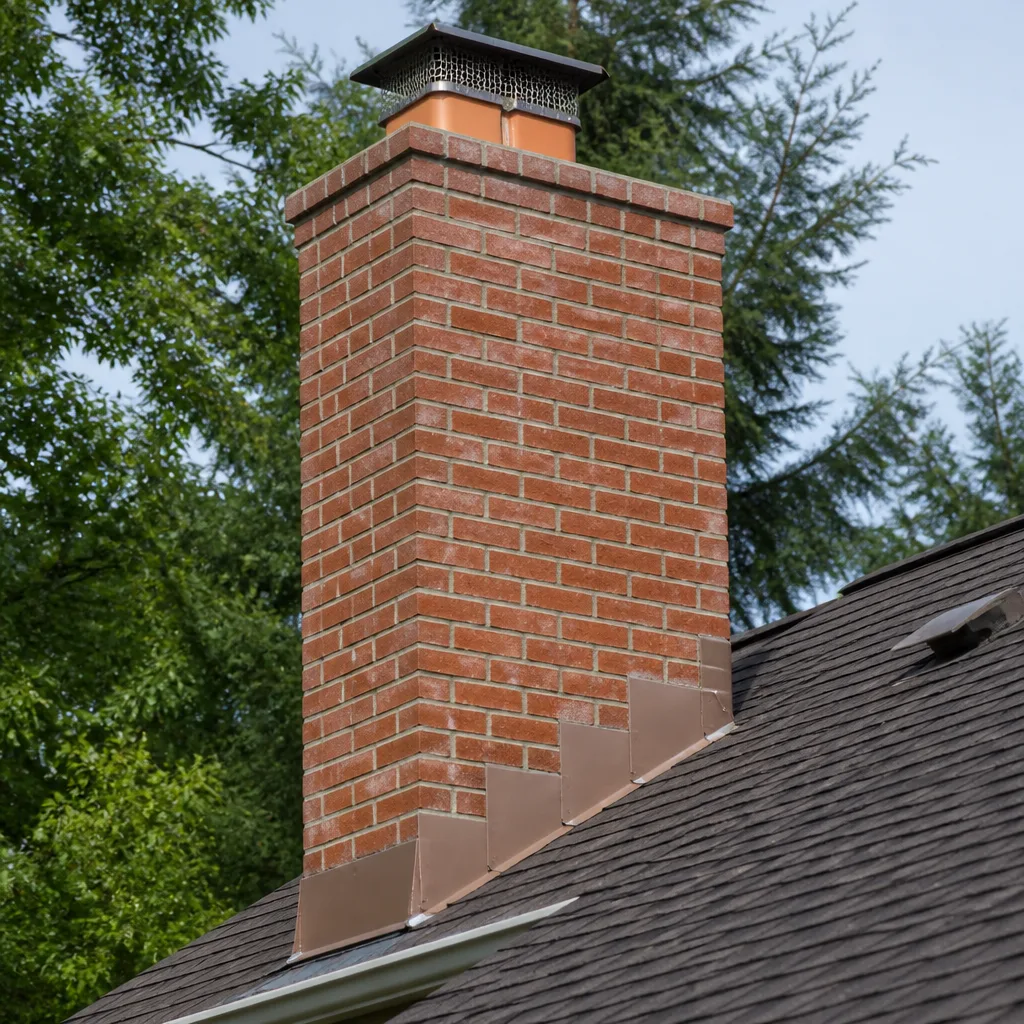 Masonry repair
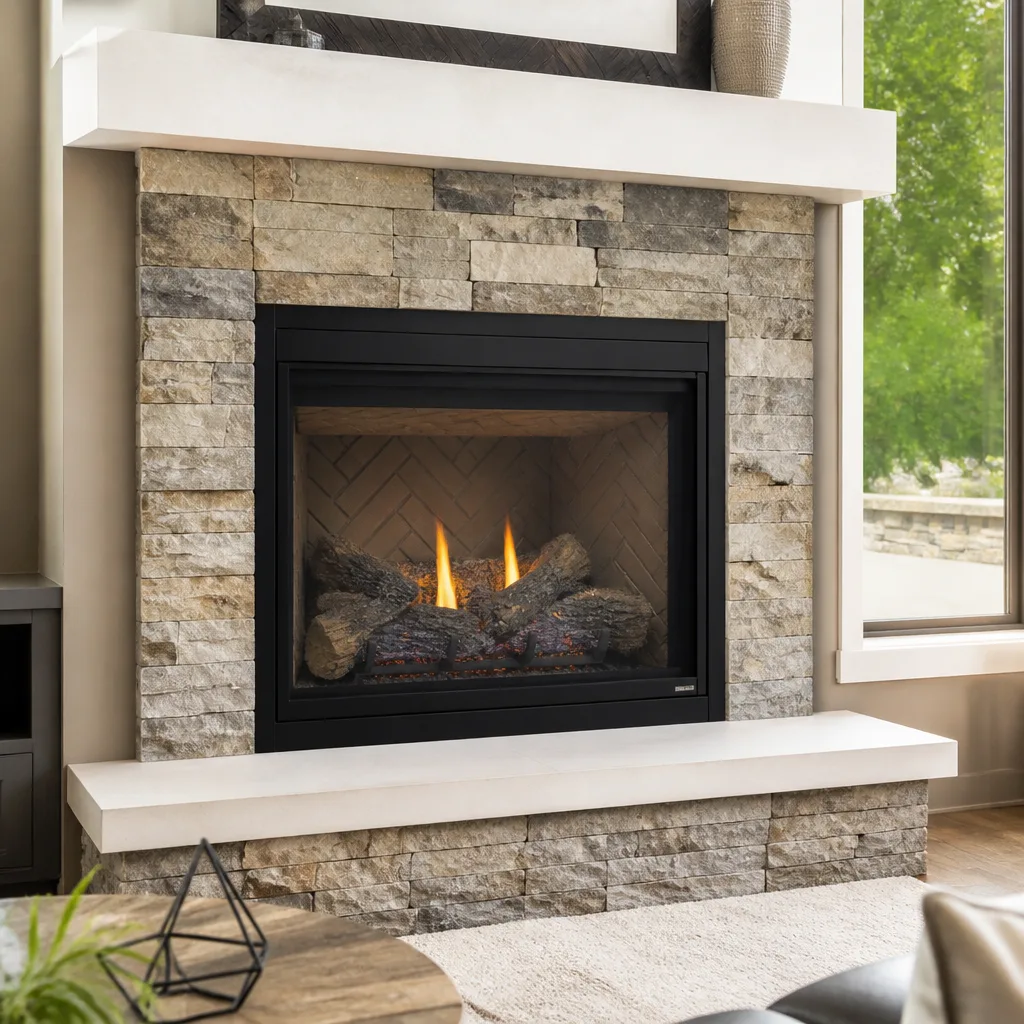 Gas fireplace service
Level 1 sweep and inspection to the NFPA 211 annual standard - flue, crown, cap, and flashing checked and photographed
Chimney sweep logs do not sweep chimneys. They loosen some creosote - which then falls where a brush and vacuum still have to collect it.
Chimney Inspection in Lone Tree: What Your Factory-Built System Actually Needs
Most chimney inspection advice you’ll read online assumes a century-old masonry stack full of creosote. That’s not what’s sitting behind the walls of most homes in Lone Tree. This city was almost entirely built out between the 1990s and 2000s as a master-planned community, and the fireplaces that came with those homes are overwhelmingly factory-built gas direct-vent units and prefab wood-burning fireplaces. Many vent through exterior chase-enclosed flues rather than a full masonry chimney.
That changes what an inspection should focus on. On a Lone Tree home, the highest-risk points are usually the chimney cap, the chase top, and the termination clearances on a direct-vent system, not decades of soot. A proper inspection here is about wind, water, and wildlife getting where they shouldn’t. If that sounds like your house, call (833) 699-7166. We answer 24/7, with fast dispatch from 7am to 7pm.
Key Takeaways
- Most Lone Tree chimneys are factory-built or direct-vent, so inspections center on caps, chase tops, and terminations.
- Chinook winds off the Palmer Divide drive downdraft and pest complaints far more than creosote does here.
- Nothing gets recommended without camera evidence you can watch and see for yourself.
- The local pro is licensed and insured as their state requires, and the estimate is free.
Why Lone Tree Homeowners Call Us for Chimney Inspection
Lone Tree sits at roughly 5,800 to 6,000 feet on the northern edge of the Palmer Divide, and that geography shows up in the work. The downslope chinook winds that funnel off the Divide can push hard against a poorly sealed chase top, and freeze-thaw cycles in spring work on caps and crowns the way they work on everything else up here. When a homeowner on the east side of town calls about smoke or gas odors being shoved back into the room on a windy day, we know the likely culprits before we ever open a chase panel: a loose cap, a failed seal, or a termination that never had proper clearance.
We’re chimney-only specialists. Every technician we work with handles chimneys and nothing else, with up to 9 years of experience. That narrow focus matters when your home’s fireplace is a factory-built system rather than a traditional masonry stack. Our chimney inspection team applies the same brand-grade approach nationwide certified chimney professionals use, including HeatShield for liner resurfacing on the masonry chimneys that do exist here, and we work with DuraFlex flexible liner systems when a reline genuinely calls for one. From annual sweeps to full liner restoration, this is the trade we live in.
HOA-governed single-family homes, townhomes, and the RidgeGate and Ballantyne-area developments each have their own patterns. Knowing those patterns is how we keep inspections honest and useful.
Styles & brands we work with
- Sweep & inspection
- Caps & crowns
- Flue relining
- Masonry repair
- Gas fireplace service
What a Chimney Inspection in Lone Tree Actually Involves
A chimney inspection in Lone Tree typically runs $100 to $275, and the type of inspection your home needs depends on what’s going on with the flue and the chase. The local pro walks the whole system: firebox, flue, cap, chase top, and exterior termination. You get a camera view and a photo report included, so you’re seeing what we’re seeing. A sweep, when one is actually warranted, is booked separately with a flat price agreed before scheduling.
Level 1 Inspection
A Level 1 is the routine check for a home with no known problems, and it covers the readily accessible parts of the system. On a Lone Tree prefab or direct-vent fireplace, that means the firebox, damper, cap, and visible termination points, checked for looseness, corrosion, and seal failure. It’s the right starting point if your system has been burning normally and you just want it verified before fire season.
Level 2 Inspection
A Level 2 goes further and is what you want after a change in the system, a property sale, or a weather event that might have damaged the cap or chase top. For Lone Tree homes with exterior chase-enclosed flues, this is the inspection that actually opens the chase top and checks the flue run for pest intrusion and separation. This is where most of the real findings happen in this city’s housing stock.
Level 3 Inspection
A Level 3 is reserved for a specific, suspected problem that can’t be seen otherwise, usually meaning parts of the chase or flue get opened up. It’s not a routine step, and we don’t push it unless the evidence from a lower-level inspection points there. Wind-damaged chase assemblies and suspected flue breaches are the typical Lone Tree reasons for one.
Camera Inspection and Flue Inspection
Camera work is how we confirm what’s actually inside the flue rather than guessing from the firebox up. For factory-built and direct-vent systems, a camera run tells you whether the flue is intact and properly connected, or whether something has nested, shifted, or failed. For the clay-tile and masonry chimneys scattered through Lone Tree, a camera flue inspection is what separates a real liner problem from a loose cap that just needs resealing.
How Lone Tree’s Climate and Housing Stock Shape the Work
Here’s the insight you won’t find on a generic chimney page. In Lone Tree’s RidgeGate and east-side subdivisions, a homeowner often calls after noticing smoke or gas odors pushed back into the room on a windy day, or after hearing scratching from the chase. A qualified local pro typically finds a damaged or missing chimney cap or a failed chase-top seal letting in downdraft and pests. The next step is documenting the defect with a camera view and recommending resealing or replacing the cap, plus checking the direct-vent termination for proper clearances. That sequence is the reality of chimney work in this city, and it’s a world away from a traditional soot-and-creosote sweep.
The exterior chase on these homes is a prime nesting spot for birds and squirrels, especially through the long dry spells between storms when the openings look inviting. High-wind days send smoke or gas odors back down direct-vent and prefab systems when the termination is compromised. So cap and chase-top sealing is a recurring Lone Tree service call, and it’s why we focus inspection attention there rather than assuming a masonry problem that isn’t there.
The lower humidity here also dries firewood in outdoor stacks fast, which is worth knowing if you burn wood in a prefab unit. But drying fast doesn’t mean drying safe; a dusty, dry stack burns hot. We’ll flag what we see without inflating it.
Common Chimney Inspection Problems We See in Lone Tree Homes
- Missing or loose caps on factory-built flues. This is the most common finding, and a compromised cap invites both downdraft and pests. A reseal or replacement is usually a straightforward fix, not a reline.
- Failed chase-top seals on exterior flues. Freeze-thaw cycles and wind work on these joints, and a failed seal lets water and wildlife into the chase. The fix is targeted sealing, confirmed with a camera view.
- Small animals nesting in the chase. Birds and squirrels treat the chase-enclosed flue as shelter, and you’ll hear scratching before you see anything. The inspection opens the chase top and runs a camera to verify.
- Direct-vent terminations with improper clearances. A shifted or obstructed termination causes the odor and downdraft complaints Lone Tree homeowners report on windy days. Checking clearances is part of every inspection here.
Pricing for Chimney Inspection in Lone Tree, CO
Inspection pricing in Lone Tree runs on a per-job, written-estimate basis, and the estimate is free. Here’s what you can generally expect for the most common inspections:
| Inspection Type | Typical Estimate |
|---|---|
| Level 1 Inspection | $100 – $175 |
| Level 2 Inspection | $150 – $275 |
| Camera / Flue Inspection add-on | $75 – $175 |
| Level 3 Inspection | Quoted after the lower-level findings |
What moves the number is the complexity of the system and how much of the chase has to be opened to see the flue. On a simple direct-vent unit the range is on the lower end; a camera inspection on an offset flue or a chase that needs opening runs higher. A Level 3 is estimated only after a Level 1 or 2 establishes the need, so you’re never quoted for something that might not be there. The written estimate sets the final price, and you approve it before any work begins.
See the difference
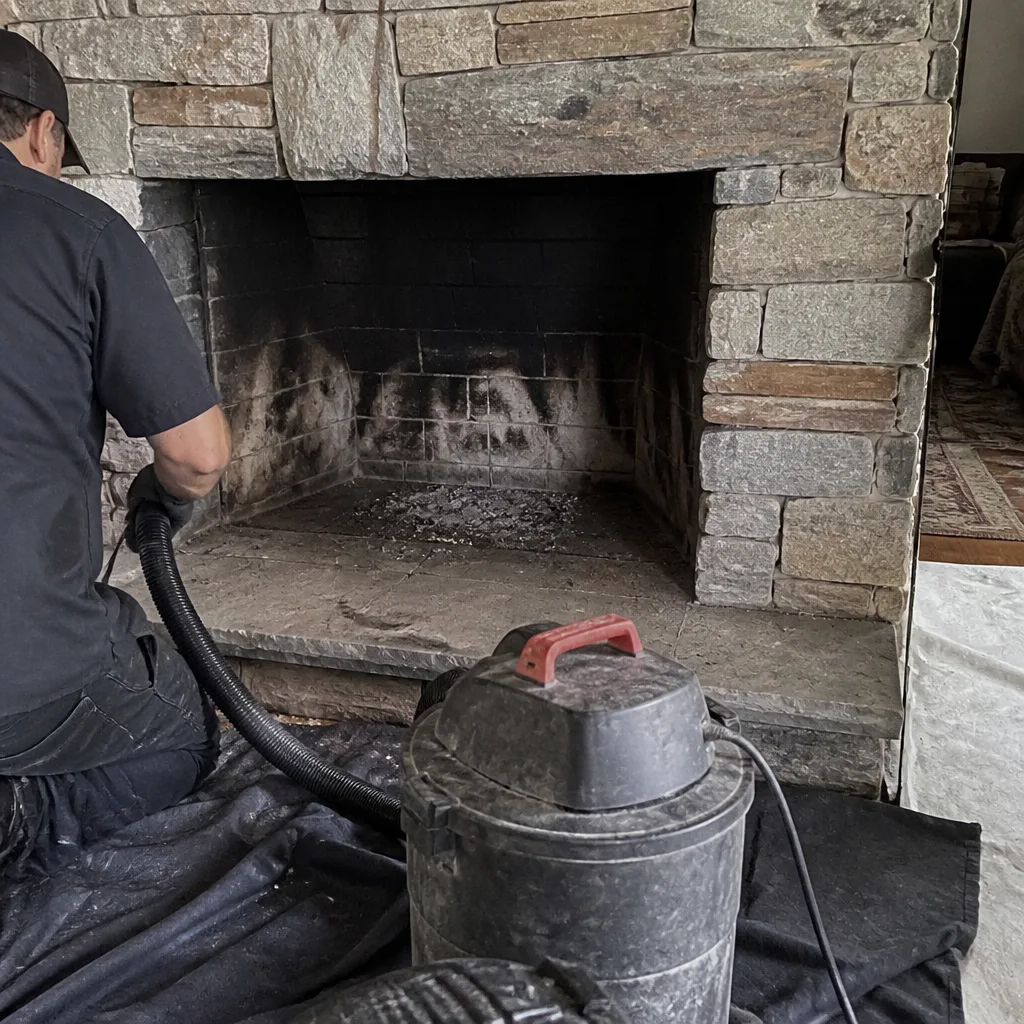 Before
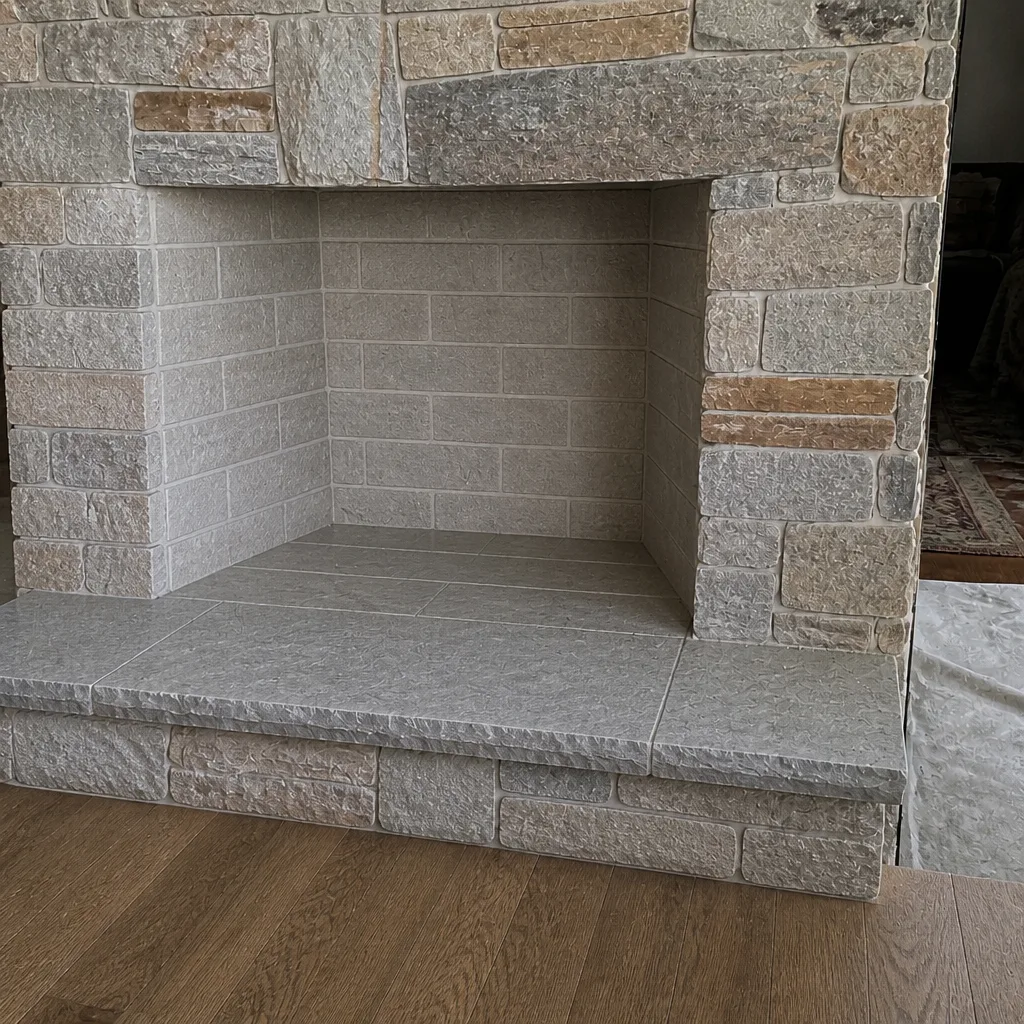 After
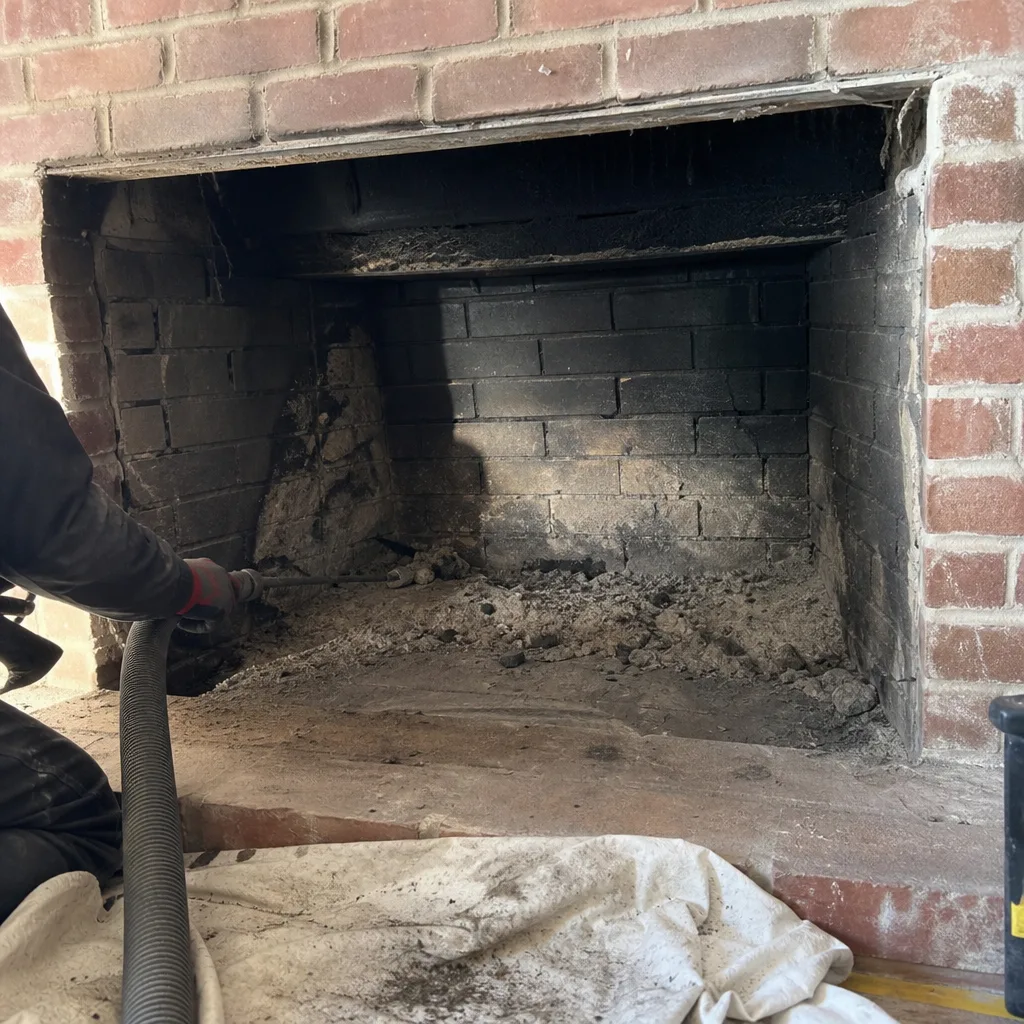 Before
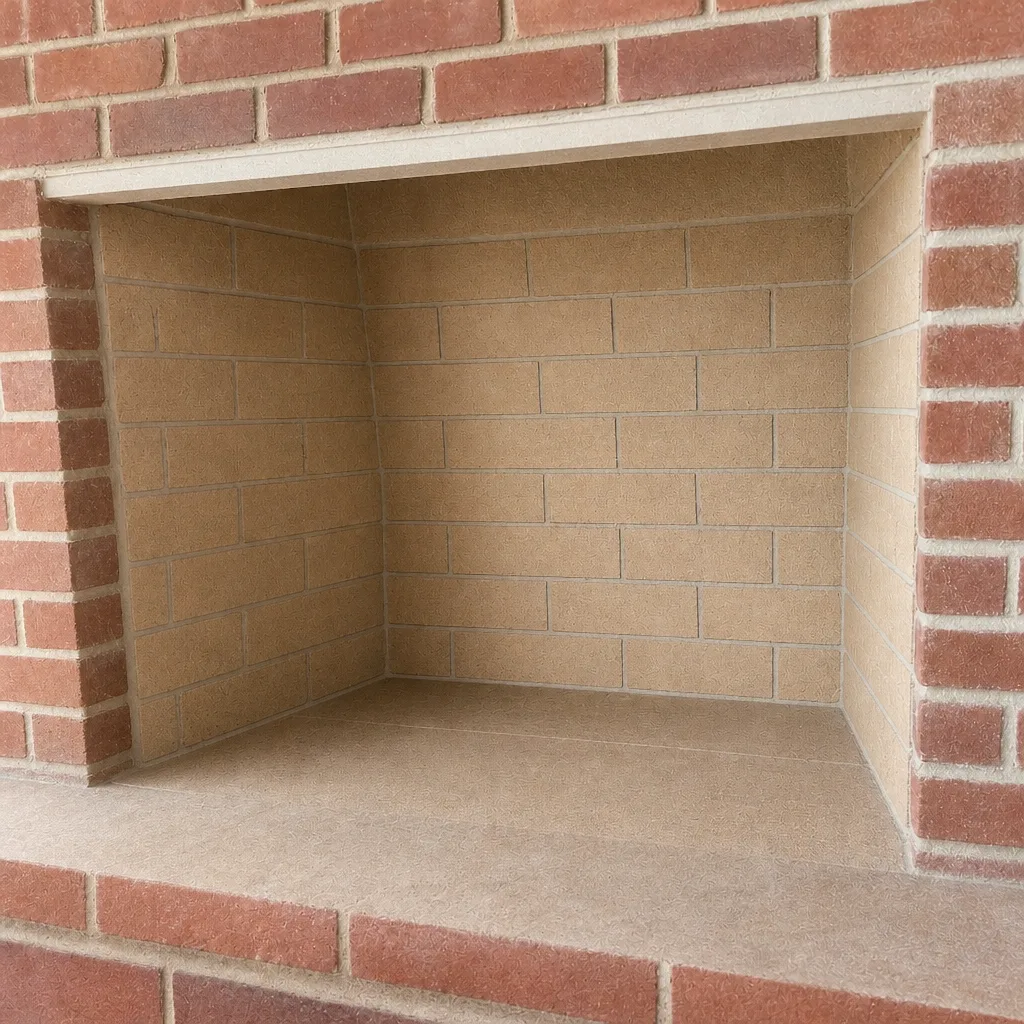 After
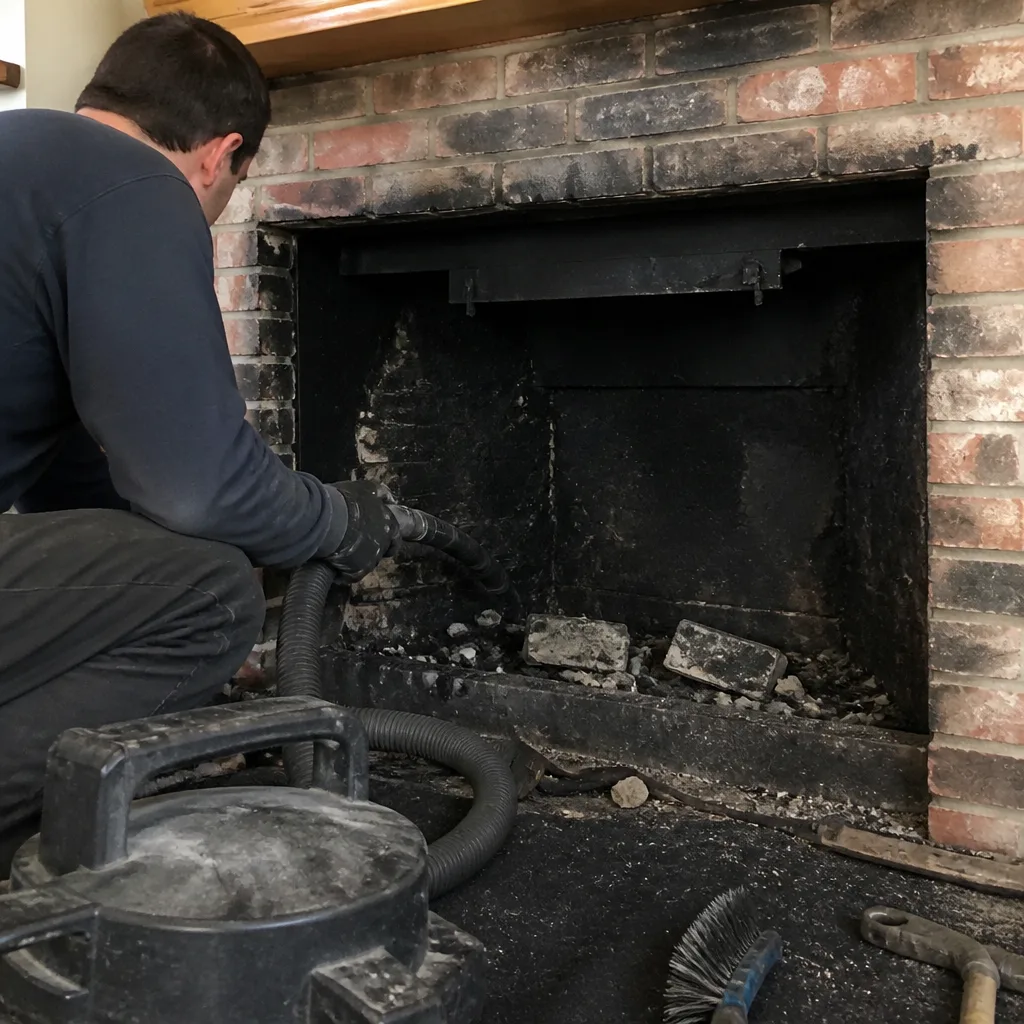 Before
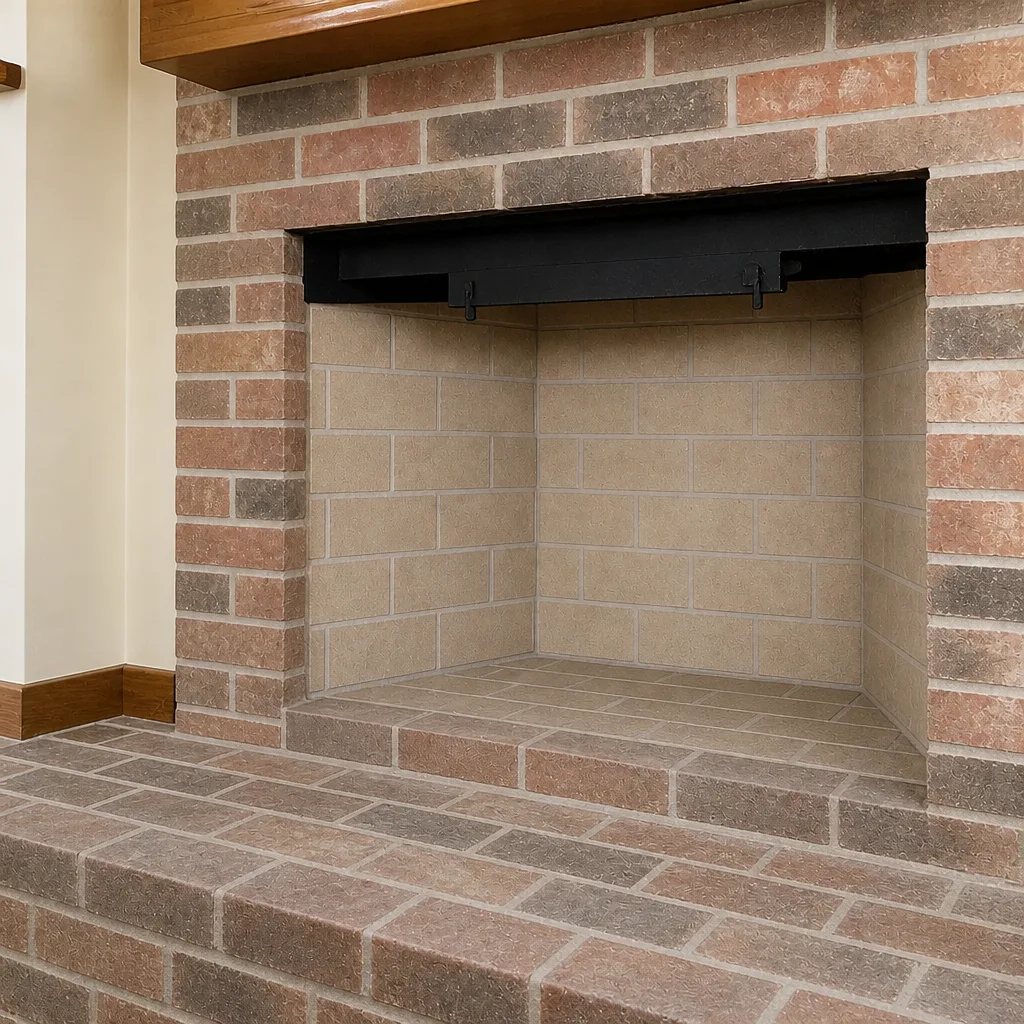 After
Trusted Brands We Service and Specify in Lone Tree
We specify the same brands certified chimney professionals use nationwide, because the components that fail first on a Lone Tree home are the ones that were never meant to take this wind and freeze-thaw. Our cap and chase-top work draws on manufacturer-grade parts from Famco and Copperfield, and HeatShield resurfacing lets us restore a deteriorating masonry flue liner without demolition when that’s the right call. On the flexible-liner side, DuraFlex systems handle the offset and aged chimneys that rigid-liner installers tend to walk away from. We don’t keep stock on hand; we specify the correct part for your system and turn the work around promptly.
Our Approach: Camera Evidence, Not Upselling
The single biggest worry we hear from Lone Tree homeowners is being told they need a liner or masonry repair they can’t verify. We don’t work that way. Nothing gets recommended without camera evidence you can watch and see for yourself, and we’ll tell you plainly when work can safely wait. If your factory-built or direct-vent system only needs a cap reseal and a chase-top repair to stop the downdraft, that’s what the report will say. If the camera shows a genuine flue problem on a masonry stack, you’ll see the cause, not just the bill. A sweep, when it’s warranted, is a separate line with its own flat price agreed before booking.
We Also Serve Cities Near Lone Tree
We work throughout the area around Lone Tree, and homeowners just outside the city line call us for the same cap, chase, and direct-vent concerns. That includes Meridian Village, Sierra Ridge, Stepping Stone, and Stonegate, where the same 1990s-to-2010s build-out and the same chinook winds shape what an inspection needs to catch. If you’re in one of these neighborhoods, the work is the same and the estimate is free.
Serving Lone Tree, CO – Our Local Coverage Area
We serve Lone Tree and nearby communities. Use the map below to see the area we cover. If you’re nearby, we can almost certainly help.
FAQs – Chimney Inspection in Lone Tree
Not always, but a Level 2 is the right call whenever the system has changed, a property is changing hands, or there’s been a wind or weather event that could have hit the cap or chase top. A Level 1 verifies a system with no known problems; a Level 2 opens the chase top and camera-checks the flue, which is where most findings turn up in Lone Tree’s factory-built homes. Call (833) 699-7166 for a free estimate and we’ll tell you which level your home actually needs.
Scratching or rustling from the chase, especially on a calm morning, usually points to birds or squirrels nesting in the exterior chase-enclosed flue. You can’t confirm it from the firebox alone, so the inspection opens the chase top and runs a camera up the flue. Don’t wait it out; a nest can block the flue and affect draft. Call (833) 699-7166 for a free estimate.
A direct-vent unit that smells or drafts back on a windy day typically has a compromised cap, a failed chase-top seal, or a termination that isn’t at the proper clearance. The high chinook winds off the Palmer Divide make an existing fault obvious. A camera inspection confirms which it is before anything is recommended. Call (833) 699-7166 for a free estimate.
Yes. A camera inspection shows the condition inside the flue, which is exactly what separates a genuine liner problem from a cap and chase-seal fix that costs a fraction as much. You’ll see the footage and the photo report yourself, and we’ll say plainly when work can safely wait. Call (833) 699-7166 for a free estimate.
An annual inspection is the standard even for occasional use, because in Lone Tree the risks are caps, seals, and pests rather than heavy creosote buildup. Those problems develop from wind and weather, not from how often you light a fire. Call (833) 699-7166 for a free estimate and we’ll set the right inspection level for your system.
Get Your Lone Tree Chimney Inspected Before Fire Season
Whether your home is in RidgeGate, the east-side subdivisions, or anywhere else in Lone Tree, the priority is the same: confirm your cap, chase top, and termination are sound before the winds and freeze-thaw cycles get to them. You get a camera inspection and a photo report you can read for yourself, a flat price agreed before booking, and a free estimate that sets the final number in writing. The local pro is licensed and insured as their state requires. Call (833) 699-7166 to schedule your free estimate. We answer 24/7, with fast dispatch from 7am to 7pm, Sunday through Friday.
Written by the team at Chimney Sweep Castle Rock.