
Last updated November 23, 2026
 Sweep & inspection
 Caps & crowns
 Flue relining
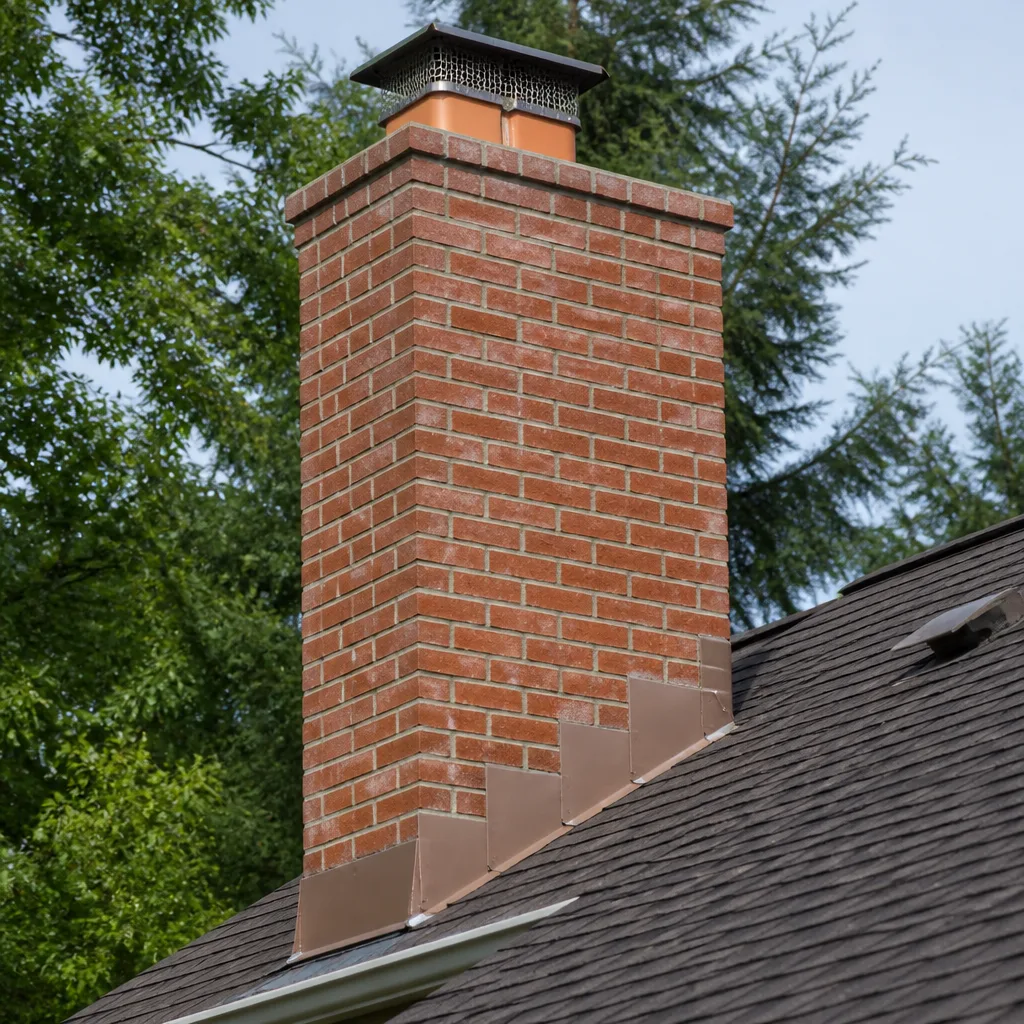 Masonry repair
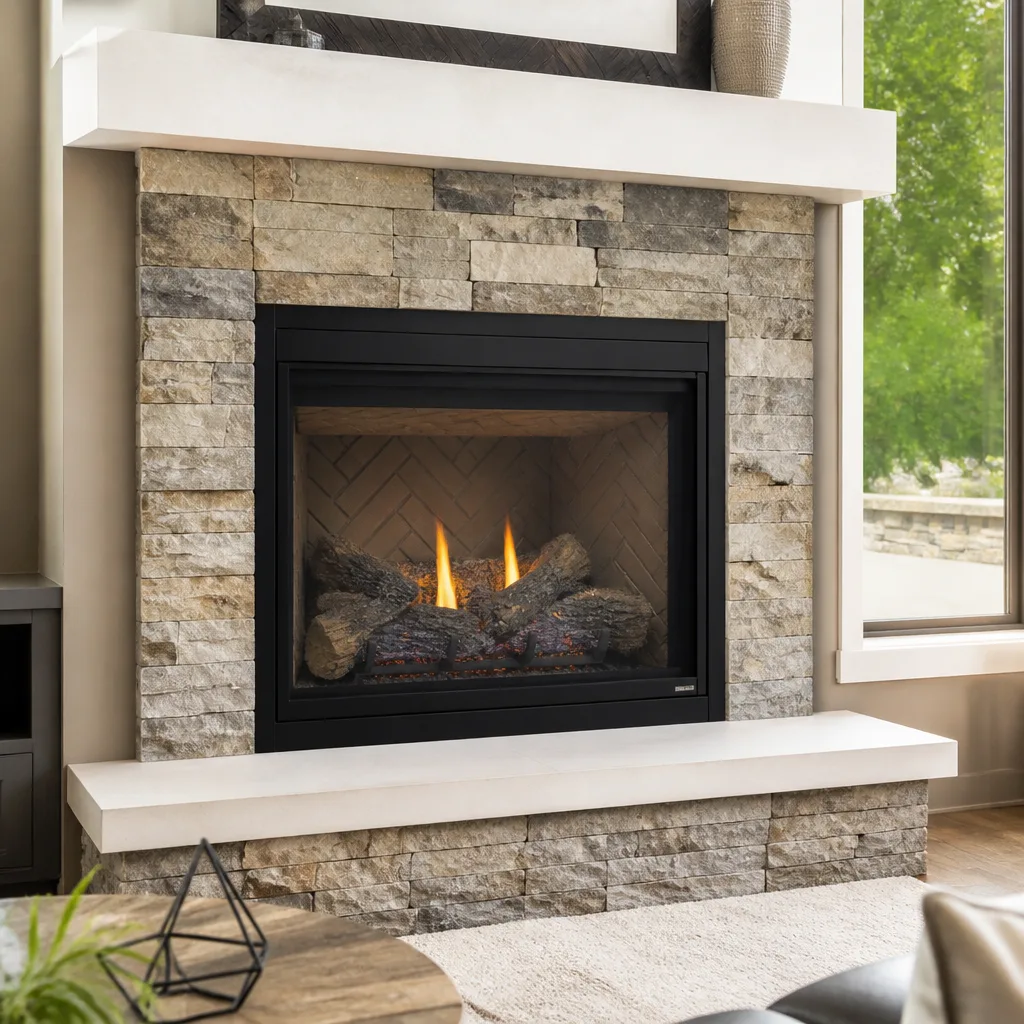 Gas fireplace service
Level 1 sweep and inspection to the NFPA 211 annual standard - flue, crown, cap, and flashing checked and photographed
Chimney sweep logs do not sweep chimneys. They loosen some creosote - which then falls where a brush and vacuum still have to collect it.
Seasonal Chimney Cleaning Care for Castle Rock: Year-Round Homeowner’s Guide
Most chimney damage we inspect in Castle Rock in November was set in motion back in April. The last fire of the season leaves creosote in a flue that then sits through wet spring snows, thaws, and refreezes – and every one of those freeze-thaw cycles works on deposits and masonry the same way it works cracks in a driveway. The standard “sweep before winter” advice misses this entirely. Castle Rock’s shoulder seasons, not its burning months, are what shorten a chimney’s life. In this guide, we walk through what a full year of chimney care looks like here: what to do in spring, what to fix in summer, what to check before the first hard freeze in late September, and how your burning habits feed into next year’s cleaning.
Quick Answer
Seasonal chimney care in Castle Rock means sweeping in spring, not fall, so moisture doesn’t set into creosote deposits over the wet season. Summer is the right window for crown sealing, cap work, and masonry repointing before freeze-thaw returns. Early fall is for a pre-freeze inspection of the damper, smoke chamber, and cap. And better winter burning habits mean less creosote to deal with next spring.
Styles & brands we work with
- Sweep & inspection
- Caps & crowns
- Flue relining
- Masonry repair
- Gas fireplace service
Table of Contents
- Why Spring Is Castle Rock’s Most Important Chimney Month
- What a Spring Sweep and Exterior Inspection Should Cover
- The Summer Maintenance Window Most Homeowners Skip
- The Early Fall Pre-Freeze Checklist
- Winter Burning Habits That Decide Next Year’s Cleaning
- How to Track Seasonal Observations for Your Technician
- Can You Get Same-Day Service for a Chimney Problem?
- What Chimney Services Typically Cost
Why Spring Is Castle Rock’s Most Important Chimney Month
Spring is the best time to sweep a chimney in Castle Rock because it removes creosote before the wet season drives moisture into it. Creosote that sits in a flue through spring snowmelt and early summer rain slowly absorbs water, and once it does, it swells, hardens, and in some cases begins to work its way into mortar joints in a way dry deposits don’t. A deposit brushed out in April is gone. A deposit that sat there until October has had six months of exposure.
Castle Rock’s spring is genuinely wet. Late snow, wet snow, rain that comes down hard and fast – the whole season is moisture. On the Front Range, the freeze-thaw cycle gets active early in spring and stays active into May, which means any moisture sitting in a chimney gets worked over and over again. That stress shows up later as hairline cracks in the crown, spalled brick faces, and flue tile that starts to delaminate. By the time a homeowner in Castle Rock notices a problem in November, the damage often has a full summer of freeze-thaw behind it.
There’s a second reason spring matters: wood-burning season in Castle Rock usually ends around March or April. Waiting until October to sweep means six months of creosote sitting in the flue during the wettest part of the year. Getting a chimney sweep on the calendar before Memorial Day closes out the season properly and gives you the summer to address anything the sweep uncovers.
If you only do one chimney task a year, make it the spring sweep. The fall inspection matters too, but the spring sweep is the one that removes the cause of most Castle Rock chimney problems.
What a Spring Sweep and Exterior Inspection Should Cover
A spring appointment should cover the flue as well as the outside of the chimney. The inside part is the sweep: a proper brushing of the flue, a check of the firebox and damper, and a look at the smoke chamber where a buildup tends to collect. The outside part is the inspection that most homeowners never see done, but it’s what catches the damage that happened over winter.
At a spring appointment, we look at:
- The flue interior – whether creosote came out cleanly, what stage it was at, and whether the flue tiles show cracking or gaps.
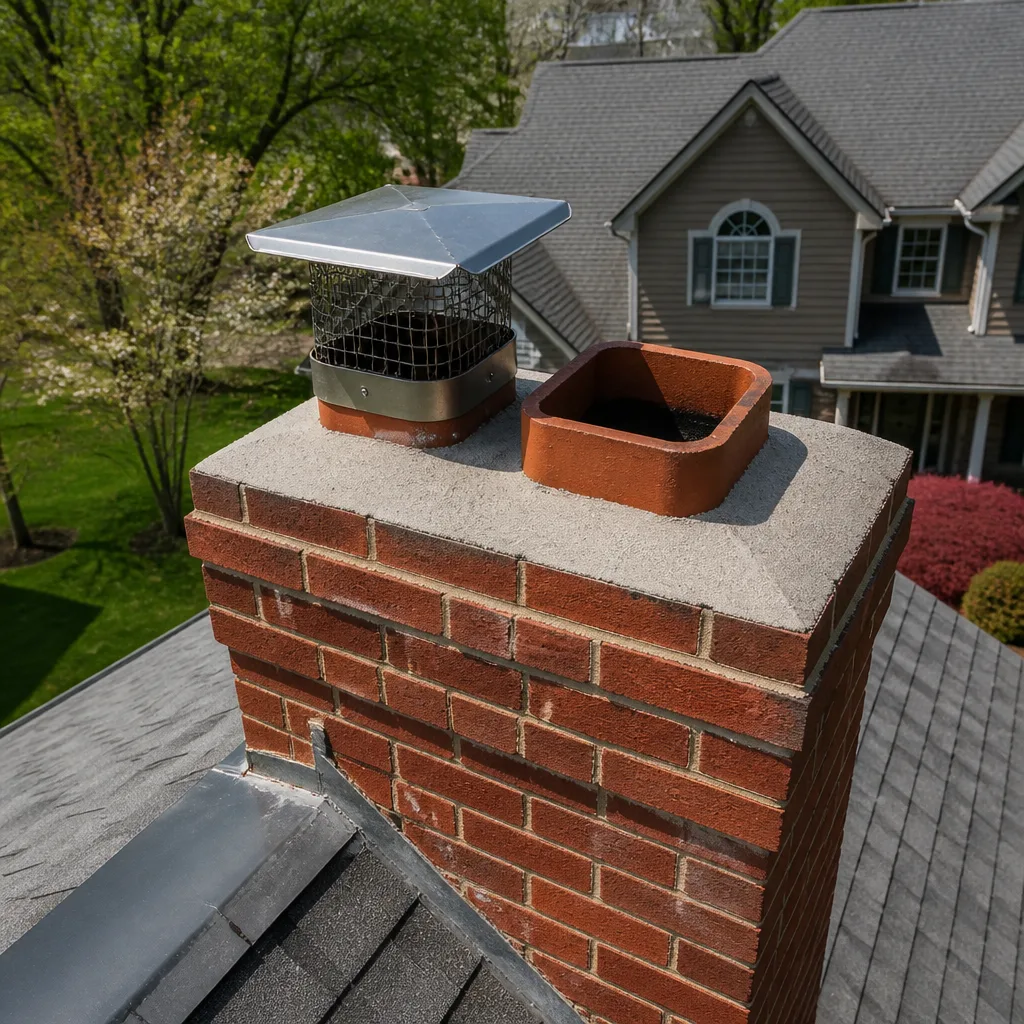
- The crown – the concrete cap at the top of the chimney. Hairline cracks there are common after a Colorado winter, and a cracked crown is the entry point for the water that causes bigger damage.
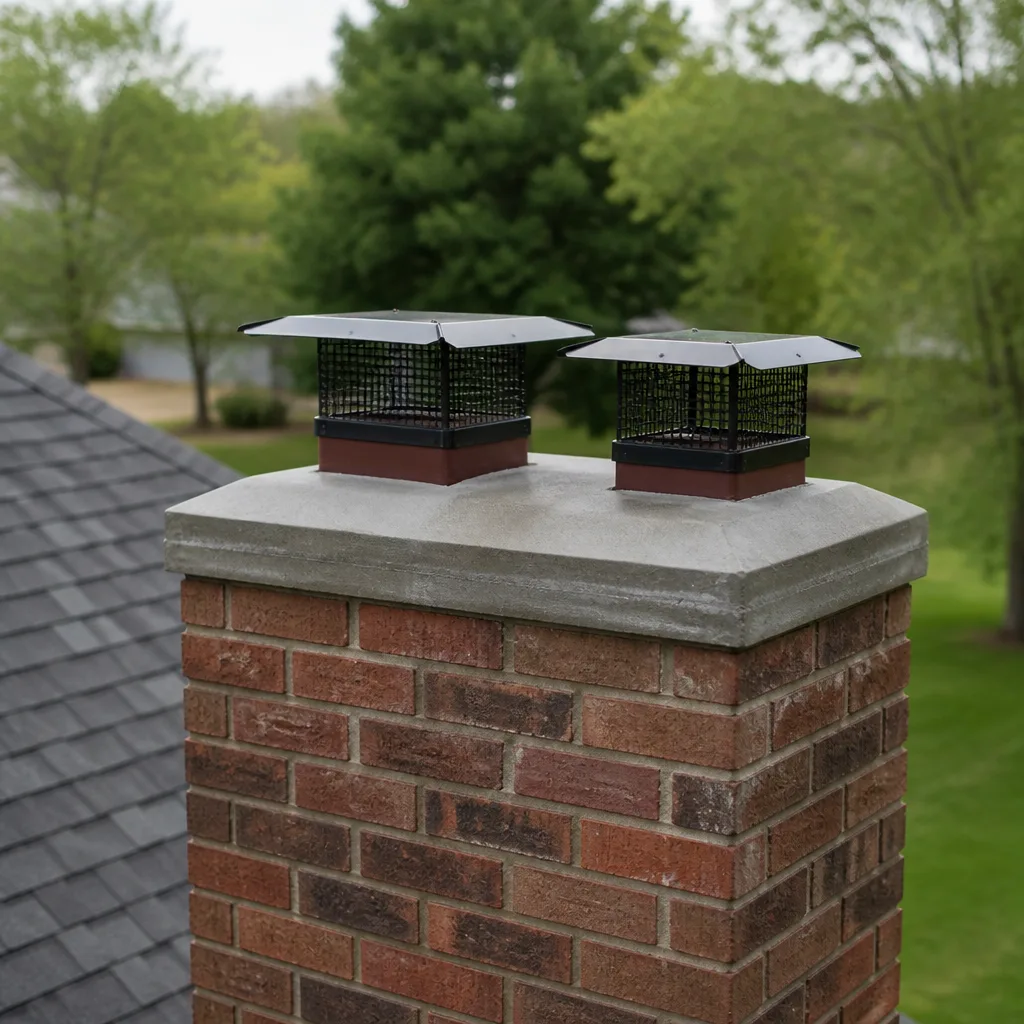
- The chimney cap – whether it’s intact, correctly sized, and still protecting the flue opening from rain and animals.
- Mortar joints – especially on the side of the chimney that faces weather. Repointing windows close quickly once summer passes.
- Brick faces – for spalling where freeze-thaw has started to break the surface off.
- The flashing where the chimney meets the roof, since a leak there is often misdiagnosed as a chimney leak.
This is the inspection that lets you plan a summer. If the sweep and inspection are clean, you know you have a full year before the next appointment. If they turn up a crack in the crown or a few spalled bricks, you have spring and summer to schedule the chimney repair before the fall freeze, rather than discovering it in October when the calendar is already crowded.
The Summer Maintenance Window Most Homeowners Skip
Summer is the best time of year to fix a chimney in Castle Rock, because no one is burning and the weather allows work that can’t safely happen once freezing starts. Crown sealing, cap installation, masonry repointing, and liner restoration all want warm, dry conditions. Doing them in summer means the materials cure properly before the first hard freeze.
Here’s the order of work we recommend for the summer window:
- Crown sealing or replacement. A cracked crown is the most common water path into a chimney. Sealing an early-stage crack with a proper crown coating, or replacing a failed crown with a new cast one, is a job for warm weather.
- Cap installation or replacement. A cap is the simplest protection a chimney has – it keeps rain, birds, and squirrels out of the flue. If the existing cap is damaged or undersized, summer is when to fix it.
- Masonry repointing. Repointing means grinding out and replacing failed mortar joints. It wants dry weather and several days of curing before the freeze. Copperfield mortar products and similar professional-grade mortars cure properly in warm months and hold up against the next winter’s freeze-thaw cycle.
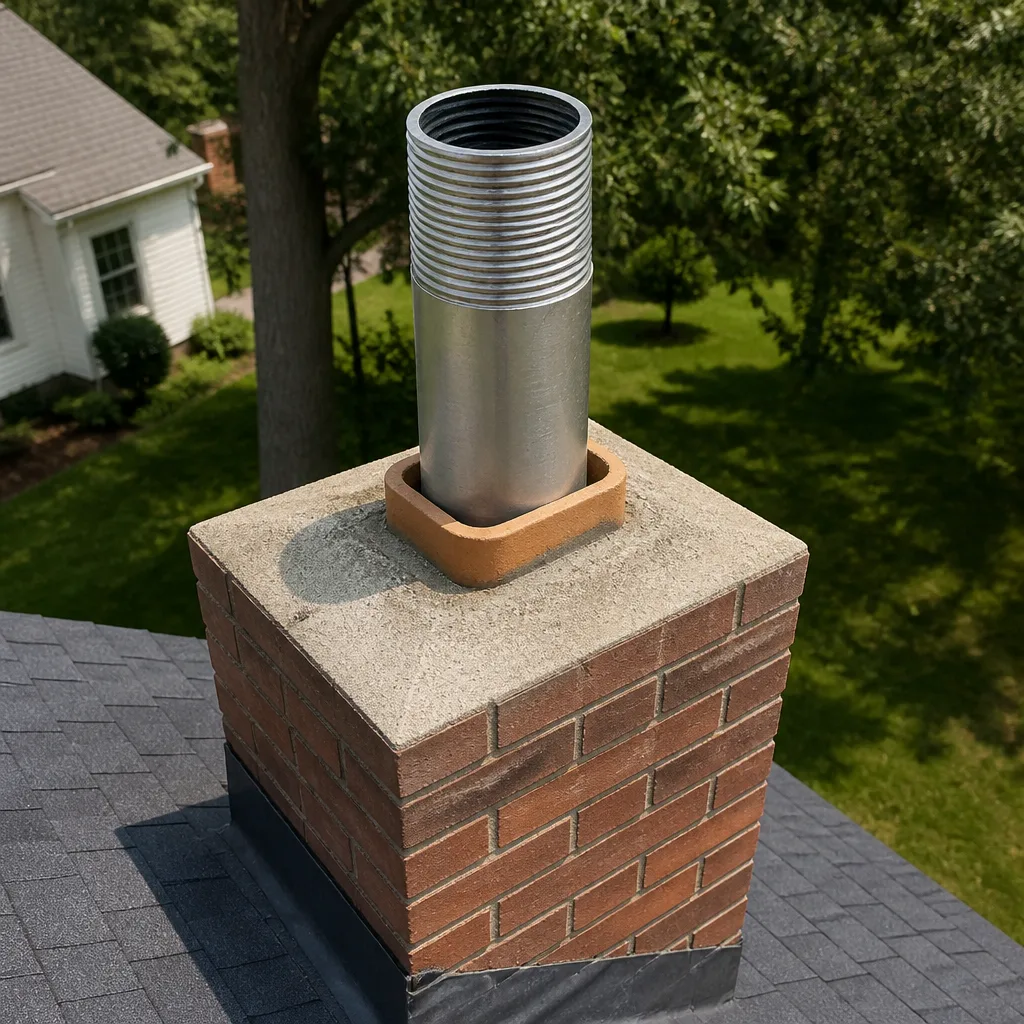
- Liner restoration, if it’s warranted. If the spring inspection showed a deteriorated flue liner, a HeatShield restoration can often rebuild the inner surface of the liner without a full tear-out. That work is best scheduled for summer so the material has time to fully cure.
One thing we’ve seen repeatedly: a homeowner in Castle Rock asks about a cap in August and waits until October to schedule it, then the first hard freeze arrives before the work is on the calendar. Summer is quiet for most homeowners, and it’s the one season when chimney work doesn’t compete with the fire schedule.
The Early Fall Pre-Freeze Checklist
Castle Rock typically sees its first hard freeze around late September. Everything on the fall checklist should be done before that date, not after, because the first freeze closes the window for some repairs and opens the door for others. A small repair done in early September beats a bigger one done in November.
The pre-freeze checklist looks like this:
- Confirm the summer work is done. Crown sealed, cap in place, repointing finished, liner addressed. If any of those got pushed into September, do them first.
- Test the damper. Open and close it fully. It should move freely and seal tightly when closed, so a closed fireplace doesn’t leak warm air into the flue all winter.
- Check the smoke chamber. The sloped space above the damper collects creosote and soot. A chimney-only specialist can look at it with a camera and confirm it’s clear before the burning season starts.
- Look at the firebox. The firebrick should be intact and the mortar joints tight. A cracked firebrick lets heat reach the surrounding masonry, which is where small problems get expensive. If you see cracks, ask about fireplace repair before you start burning.
- Confirm the cap is still seated. Late-summer wind can shift a loose cap. Check it from the ground and have it looked at if anything looks off.
- Check for odor in the flue. A strong smell on a cool, damp day is often a sign that creosote or moisture is still in the flue. It’s worth a look before the season starts.
Nothing on this list is complicated. The value is in doing it in the right order and doing it before the freeze, not after.
Winter Burning Habits That Decide Next Year’s Cleaning
How you burn through the winter directly affects what your next spring sweep has to deal with. Two things matter more than anything else: wood moisture content and burn temperature. Get both right, and next spring’s sweep is a much smaller job. Get them wrong, and the spring sweep tells the story.
Wood should be well-seasoned before it goes into a fire. Seasoned wood has lower moisture content, which means it burns hotter and cleaner. Wood that’s still green or wet produces more smoke, more creosote, and less heat. At Castle Rock’s elevation, this matters more than it does at sea level, because there’s less oxygen per breath of air going into the fire, which makes it harder to reach a hot, clean burn. Burning wet wood at elevation is one of the fastest ways to build up creosote.
Burn temperature works the same way. A fire that’s allowed to smolder produces cool, smoky exhaust, which is what deposits creosote in the flue. A fire that burns hot and clean produces a much thinner deposit. In practice, that means:
- Burn seasoned wood, split and stacked a full season ahead if possible.
- Keep the fire burning actively rather than damping it down to stretch the wood.
- Don’t close the damper too early; let the fire die down naturally.
- Avoid burning trash, wrapping paper, or cardboard, which produce more creosote than they’re worth.
The relationship is direct: wet wood and cool fires lead to thicker creosote, which means a bigger spring cleanup in Castle Rock. Dry wood and hot fires lead to thinner deposits and a smaller sweep. Two seasons of better burning habits can meaningfully reduce the cleanup a chimney needs.
How to Track Seasonal Observations for Your Technician
Small observations over a year give a technician a surprising amount of diagnostic information. You don’t need to know what’s wrong; you just need to notice and write it down. When a Castle Rock homeowner brings a short list of observations to the annual appointment, the inspection moves faster and catches more.
The things worth tracking, roughly in order of usefulness:
- Odor. Note the month you notice a smell, whether it’s stronger on damp days, and whether it’s coming from the firebox or the top of the chimney. Odor is often the first sign of moisture or leftover creosote.
- Draft changes. If the fireplace has started to smoke into the room or feels slow to start, write down when you first noticed it. A draft change can point to a cap issue, a smoke chamber problem, or a partial obstruction.
- Visible staining. Any streaking on the exterior masonry, particularly white staining, is worth noting with the date you first saw it. Staining that grows over a season tells the technician where water is getting in.
- Cracks or spalling. Note the location and when you first spotted it. A crack that gets wider over a season is more urgent than one that appears stable.
- Changes in burn quality. If the fire doesn’t draw the way it used to, or the firebox feels harder to keep going, that’s useful information.
A simple notebook or a note on your phone is fine. Bring it to the annual appointment and hand it to the technician. In our experience, that list of observations often points the inspection toward the issue faster than a visual pass alone.
What works better than a note is a photo. Take a photo of white staining, a crack, or the top of the chimney from the ground. Bring the photos to the appointment. A year-over-year sequence of photos is one of the most useful diagnostic tools a chimney specialist has.
Can You Get Same-Day Service for a Chimney Problem?
Sometimes. A sweep or an inspection can often be booked for the same day if the calendar allows, though it depends on the season and depends on what’s already scheduled. Emergencies – a chimney fire, a strong smell of smoke in the house, a cap blown off in a windstorm – are handled as quickly as we can get a technician there.
Call (833) 699-7166. We answer 24/7. Fast dispatch from 7am to 7pm, Sunday through Friday.
One note on timing: we’re closed on Saturday, and a call placed after dispatch hours is booked into the next opening. That’s why we recommend scheduling sweeps and inspections in advance when you can. A spring sweep scheduled in March gets done in the first half of April; a sweep called in October may wait.
What Chimney Services Typically Cost
Chimney pricing is set per job by a written estimate, and the range depends on the condition of your chimney, the length of the flue, and what the inspection finds. What we can share is what a typical Castle Rock homeowner tends to see across the core services, and how those services map to the seasonal calendar.
- Standard chimney sweep – a routine brush of the flue, firebox check, and visual look at the smoke chamber. This is the appointment you want on the spring calendar.
- Chimney inspection – a look at the flue interior, crown, cap, firebox, and exterior masonry. Usually paired with the sweep.
- Cap and crown work – installation or replacement of a chimney cap, or sealing or replacing a crown. Best done in summer.
- Chimney repair – repointing, brick work, and any structural issues the inspection turns up. Summer is the right window.
- Liner restoration – a HeatShield application to restore a deteriorated flue liner without full demolition, or a DuraFlex flexible liner for chimneys where the original flue isn’t a straight run.
The estimate is free, and the written estimate sets the final price. The reason we don’t quote a number before we see the chimney is that two chimneys on the same street can need very different work depending on the age of the flue and how it’s been used. If a chimney can safely wait a season, we say so – a homeowner who feels pressured is a homeowner who can’t trust the next recommendation.
For your annual care guide, the order is what matters more than the exact price. Spring sweep and inspection first, summer repairs second, fall pre-freeze check third. Everything else is a detail the inspection will fill in.
Common Mistakes to Avoid
- Waiting until October to sweep. Creosote that sat through Castle Rock’s wet spring and early summer is harder on the flue than a deposit that’s brushed out in April. Sweep in spring, not fall.
- Treating a handyman as a chimney specialist. Chimney work is a narrow trade. Generalist contractors turn away offset chimneys and complex liner jobs because they aren’t set up for them. Use a specialist.
- Assuming “no visible fire” means “no creosote.” A flue can hold a serious deposit and still look clean from the firebox. The only way to know is to inspect the flue.
- Ignoring a cracked crown through the summer. Freeze-thaw in late September is what turns a small crown crack into masonry damage. Fix it in summer.
- Burning wet or unseasoned wood at elevation. At Castle Rock’s elevation, cooler fires are more common, and wet wood makes them worse. Seasoned wood and hot fires save you a bigger cleanup next spring.
- Using hardware-store caps and crowns on a masonry chimney. Manufacturer-grade components from brands like Gelco or Olympia Chimney hold up to freeze-thaw in a way that generic parts don’t.
- Scheduling the fall inspection and skipping the spring sweep. The two are not interchangeable. The fall inspection verifies the summer work; the spring sweep prevents next winter’s problem.
See the difference
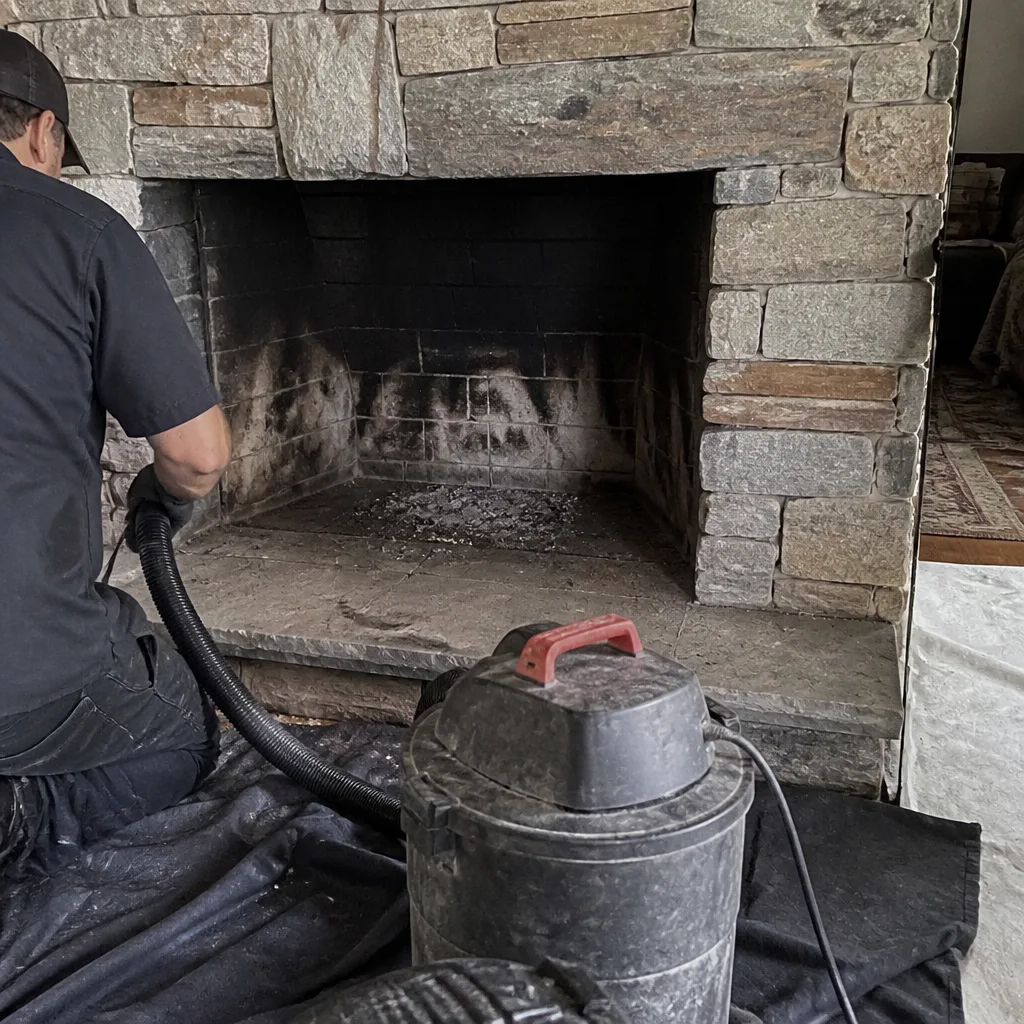 Before
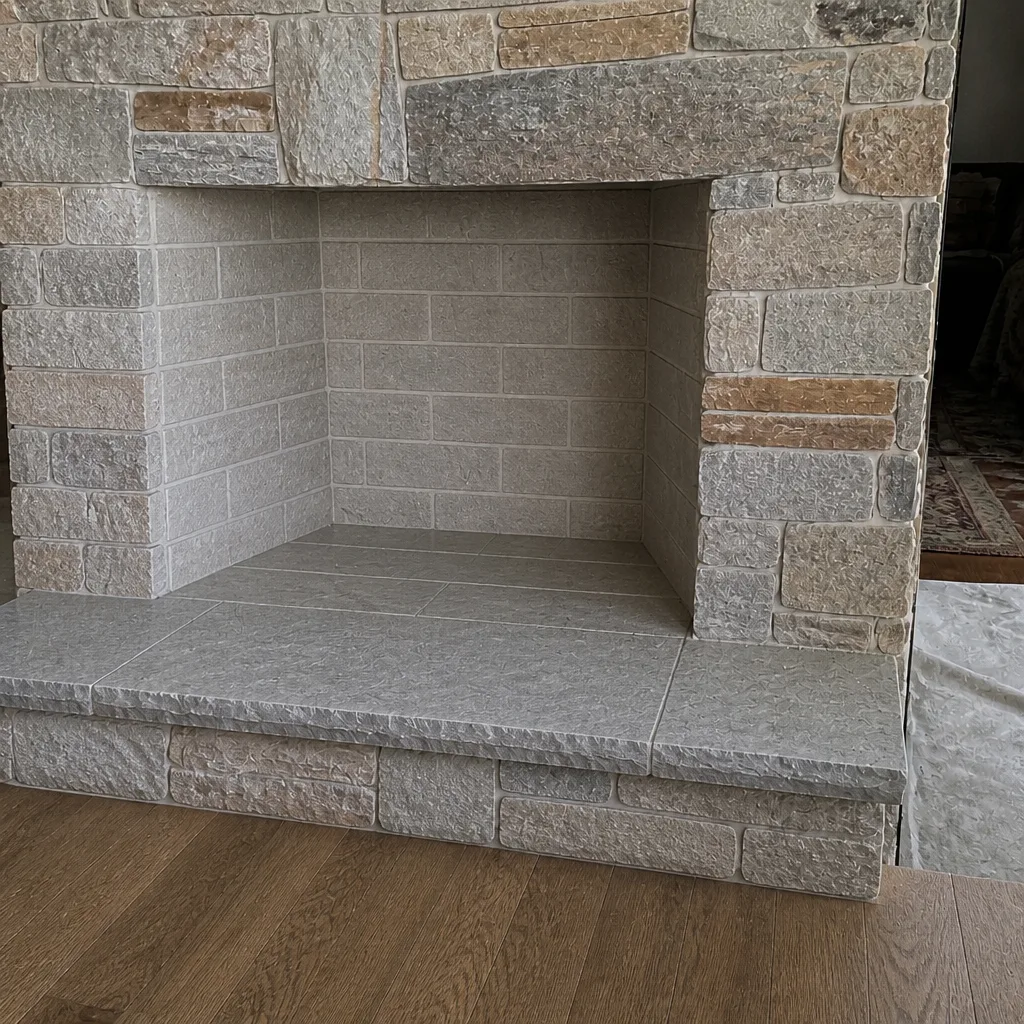 After
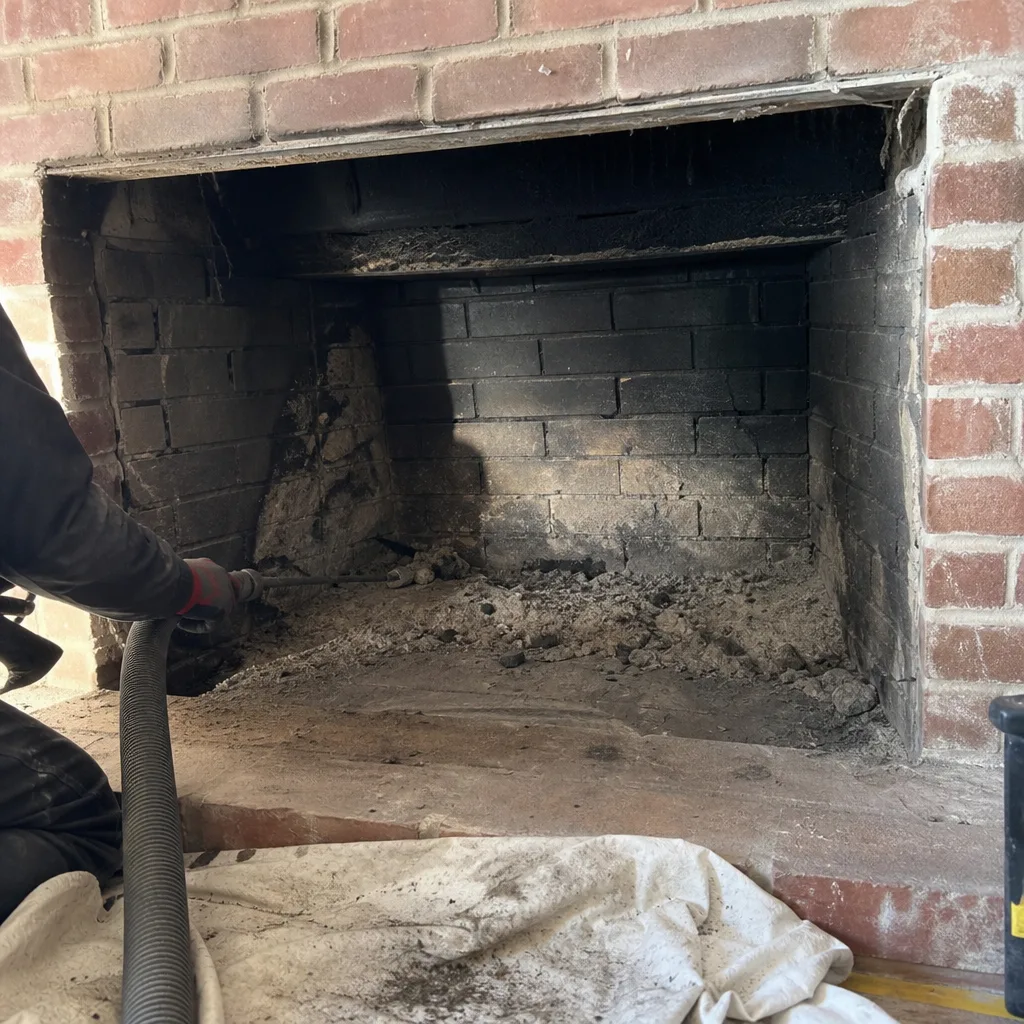 Before
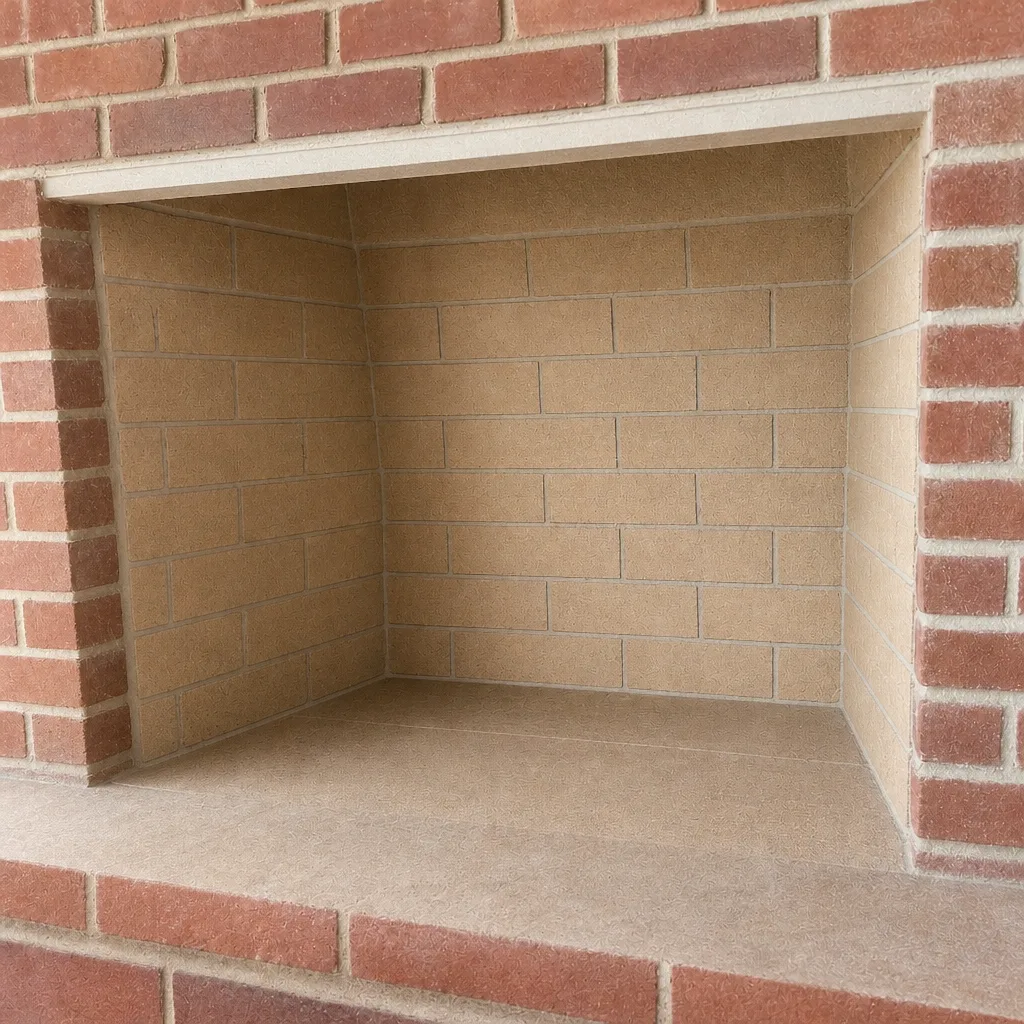 After
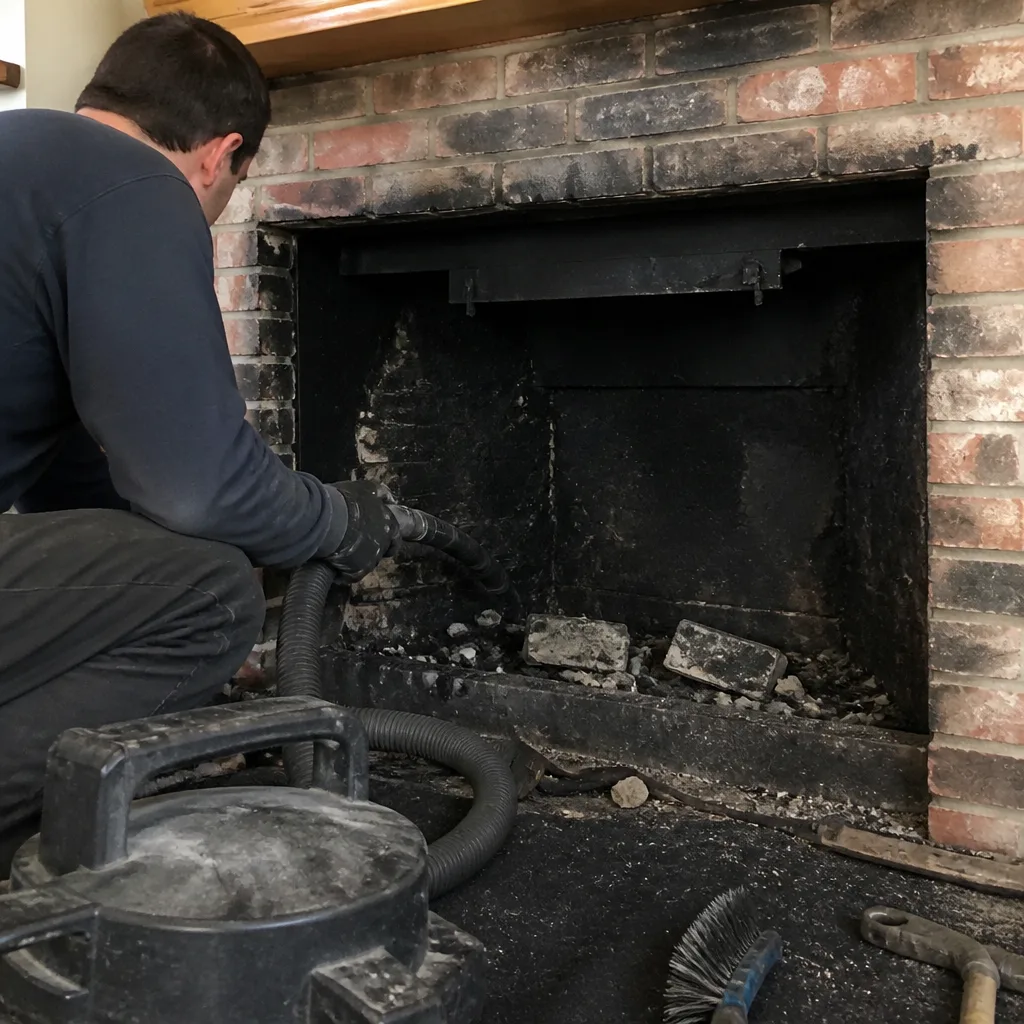 Before
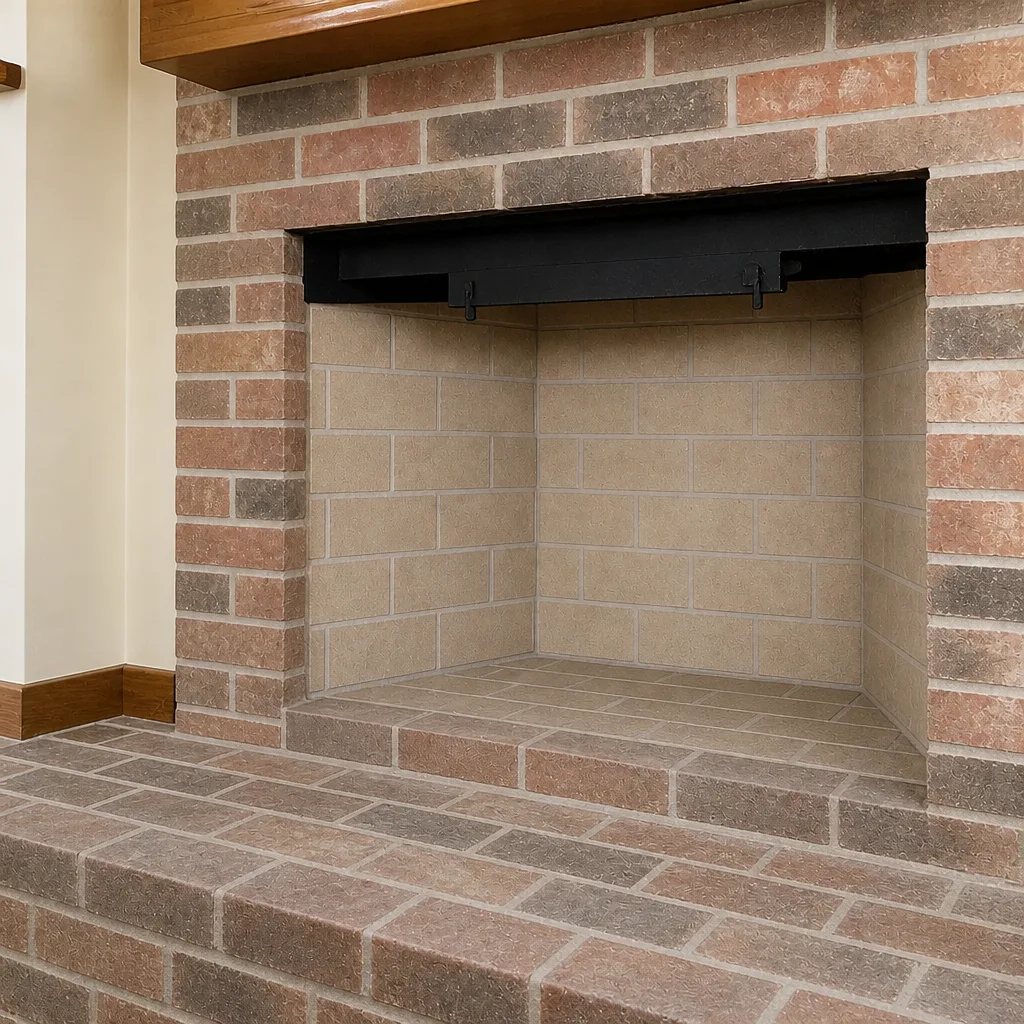 After
When to Call a Professional
Call a professional when any of these are true: you haven’t had a sweep in over a year; you see a crack in the crown, chimney cap, or firebox; you notice white staining on the exterior masonry; you smell smoke or creosote in the house when you’re not burning; the draft has changed; the damper won’t move freely; or you’re seeing a creosote buildup you can see from the firebox. Also call if you’ve had a chimney fire, even a small one – a chimney fire can crack flue tiles internally in a way that’s invisible from the outside, and only a camera inspection will confirm the liner is intact.
Any of those warrants a visit. Chimney Sweep Castle Rock offers free estimates in Castle Rock. Call (833) 699-7166. We answer 24/7. Fast dispatch from 7am to 7pm, Sunday through Friday.
Frequently Asked Questions
Spring is the best time – after the last fire of the season and before the wet spring season drives moisture into creosote. A fall inspection is still worth doing, but the sweep that matters most in Castle Rock is the one in late March or April. Call (833) 699-7166 for a free estimate on a spring sweep.
Once a year for most homeowners is the right baseline, whether you burn one cord or five. A heavier burning load, or a chimney with a larger flue, may justify a second look mid-season. The annual sweep combined with a fall inspection covers the standard cycle. Call for a quote on an annual schedule.
Yes, more than most homeowners realize. Castle Rock’s transition from wet spring to early hard freeze in late September is the toughest part of the year for a chimney, and the freeze-thaw cycle in between is what turns small cracks into structural damage. Summer is the right window to fix what winter opened up. Call (833) 699-7166 to book a summer repair estimate.
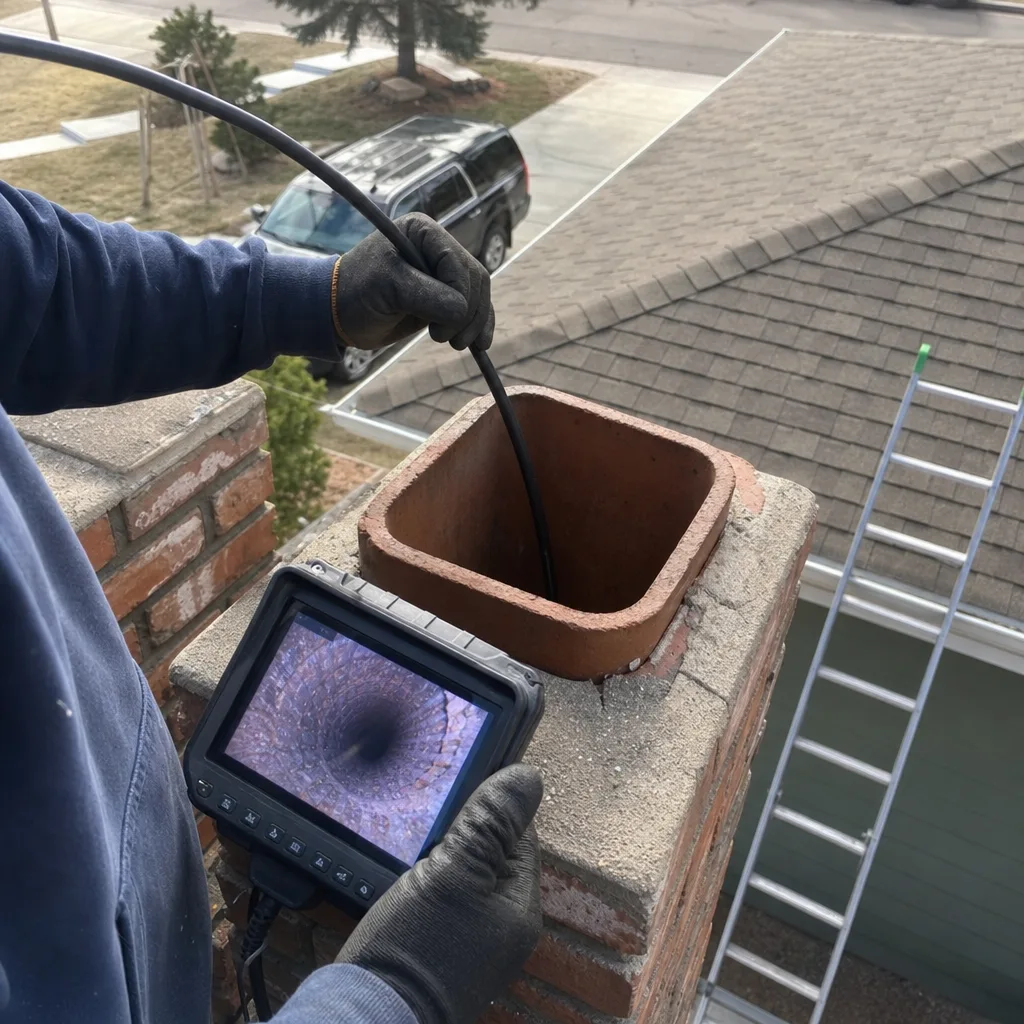
Some things, yes – a camera down the flue plus a look at the exterior masonry covers most of the diagnosis. A full inspection that includes the roof line and crown needs a technician on the roof for a proper look. We carry camera equipment so you see what we see, and nothing is recommended without evidence you can review. Call for a free estimate.
It depends on the size of the chimney and whether the crown needs sealing, repair, or full replacement. The free estimate sets the final price, and a written estimate is what you get on paper. The work is best done in warm months. Call (833) 699-7166 for an exact quote.
The spring sweep. Everything else in the annual cycle depends on it. Skip the spring sweep and the wet season does damage that shows up in November. Do the spring sweep and the rest of the year is maintenance on a clean system. Call for a free estimate on a spring sweep.
The Bottom Line
Year-round chimney care in Castle Rock is built around two transitions, not one. Spring, when the last fire leaves a moisture-prone flue, and early fall, when the first hard freeze turns small cracks into larger ones. Summer is the repair window, and winter is where the habits that shape next spring’s cleanup are set. A spring sweep, a summer repair window, a fall pre-freeze check, and a short list of observations brought to the annual appointment are what actually protect a chimney here. The standard “sweep before winter” advice leaves out the seasons that matter most.
Chimney Sweep Castle Rock is a chimney-only specialist. Every technician and every job is chimney-specific – from a routine sweep to liner restoration with HeatShield or a DuraFlex flexible liner, from cap and crown work to structural repair. We work with professional-grade materials from brands like Gelco, Olympia Chimney, Famco, and Copperfield, the same components certified chimney professionals specify nationwide. Our technicians have up to 9 years of experience. Whether your chimney needs a Chimney Sweep Castle Rock visit for the spring sweep or a diagnostic look before the freeze, we can help you plan the season.
Call (833) 699-7166 for a free estimate. We answer 24/7. Fast dispatch from 7am to 7pm, Sunday through Friday.
Written by the team at Chimney Sweep Castle Rock.