
Last updated November 23, 2026
 Sweep & inspection
 Caps & crowns
 Flue relining
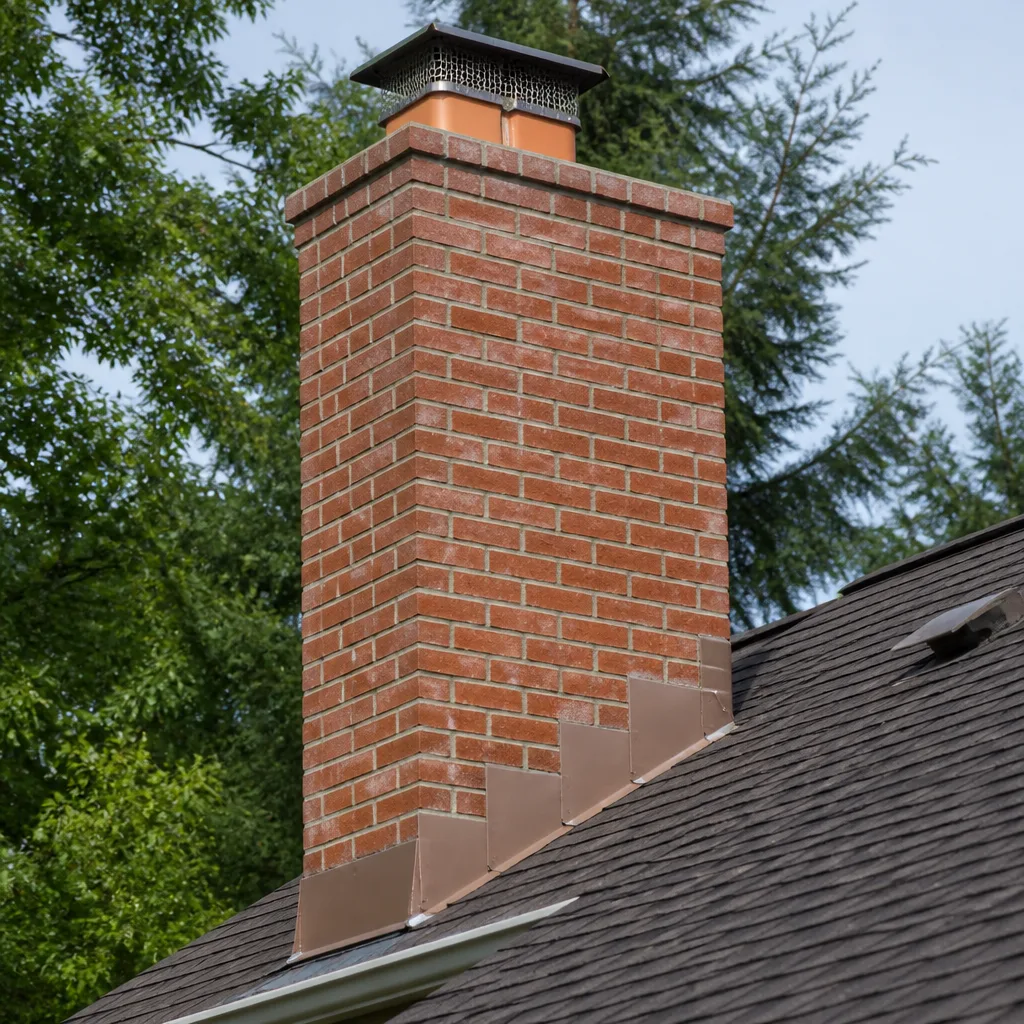 Masonry repair
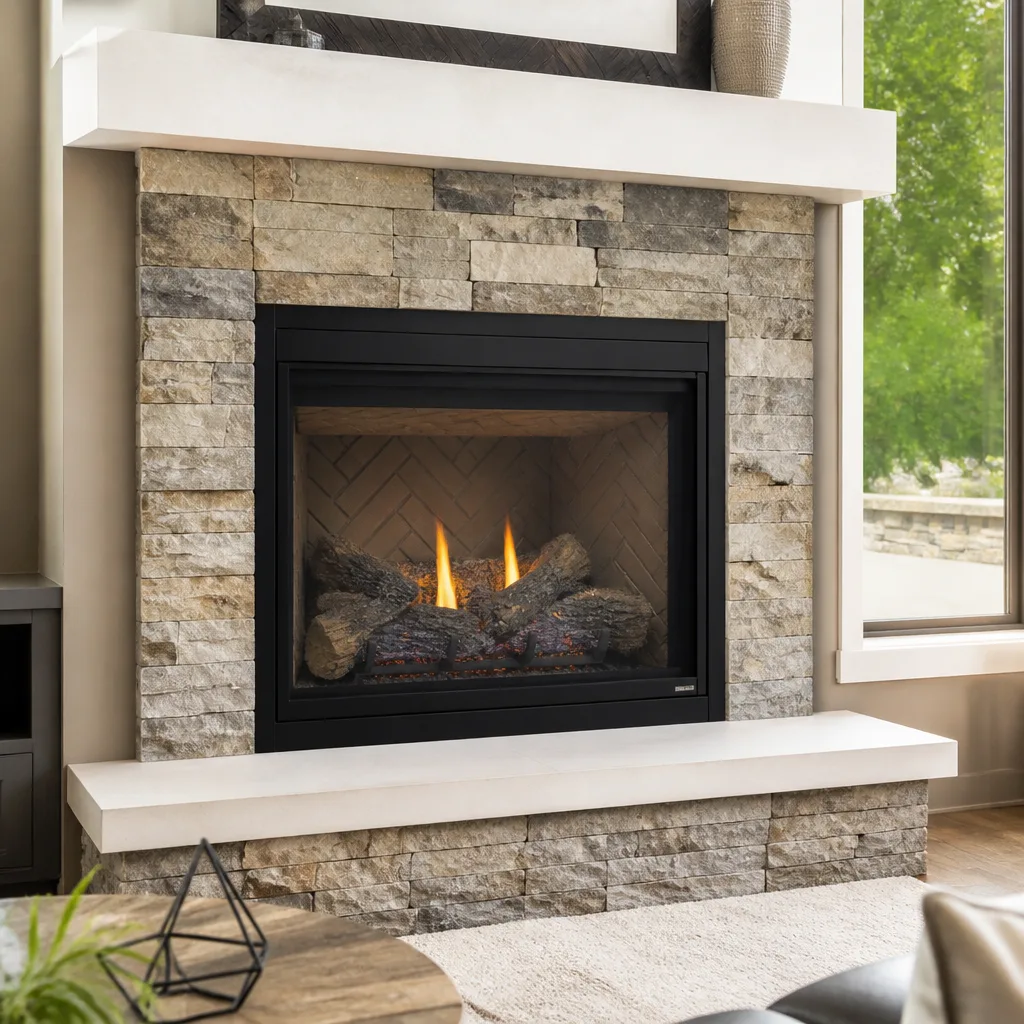 Gas fireplace service
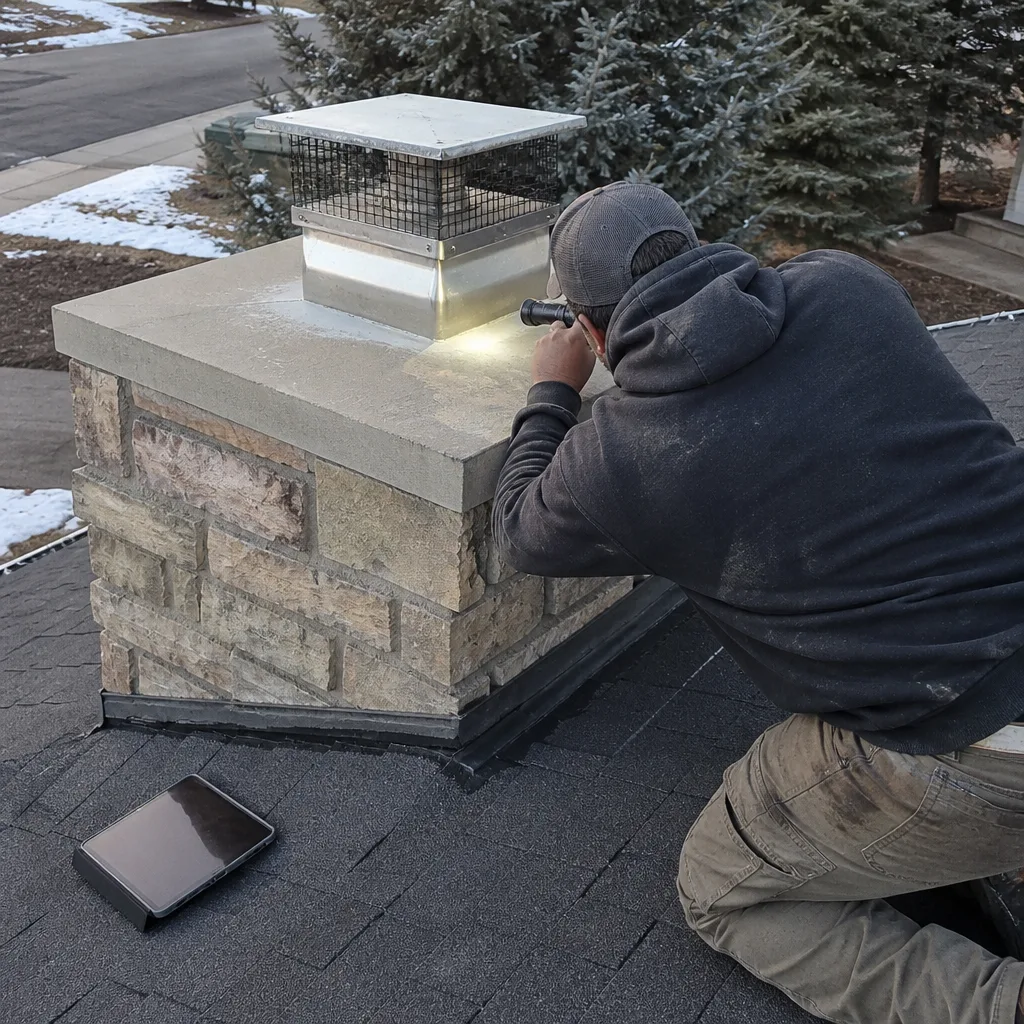
Level 1 sweep and inspection to the NFPA 211 annual standard - flue, crown, cap, and flashing checked and photographed
Chimney sweep logs do not sweep chimneys. They loosen some creosote - which then falls where a brush and vacuum still have to collect it.
Chimney Cleaning Emergency Preparedness Guide for Castle Rock Homes
During an active chimney fire, the instinct to throw water on the fire is exactly wrong. Thermal shock to a hot flue tile can crack or shatter the liner and give flames a path into the wall cavity in seconds. Most Castle Rock homeowners have never rehearsed what to do when a chimney fire starts, and that gap between knowing and not knowing is where a contained incident turns into a total loss. This guide walks through exactly how to recognize an active chimney fire, the correct sequence of actions, carbon monoxide preparedness specific to chimney systems, what a Level 2 inspection must find before you burn again, and how to document everything for your insurer.
Quick Answer
If you suspect a chimney fire in your Castle Rock home: close the damper, get everyone out of the house, call 911, and do not put water on the fire. After the fire department clears the scene, do not use the fireplace again until a Level 2 camera inspection documents the condition of the flue liner and confirms the chimney is safe. Photograph everything before and after the inspection for your insurance claim.
Styles & brands we work with
- Sweep & inspection
- Caps & crowns
- Flue relining
- Masonry repair
- Gas fireplace service
Table of Contents
- How Do You Recognize an Active Chimney Fire?
- What Is the Correct Emergency Sequence When a Chimney Fire Starts?
- Carbon Monoxide Preparedness for Chimney Systems
- What Happens After a Chimney Fire Before You Can Burn Again?
- What Does a Level 2 Inspection Have to Find?
- How Do You Document a Chimney Emergency for Insurance?
- How Do You Prepare a Castle Rock Chimney Before Fire Season?
- Common Mistakes to Avoid
How Do You Recognize an Active Chimney Fire?
An active chimney fire announces itself through three channels at once: sound, smoke, and smell. Most people catch one of the three and miss the other two. Knowing all three gives you the confidence to act instead of standing in the yard second-guessing yourself.
Sound
A chimney fire often roars like a freight train or a low-flying aircraft, loud enough to hear from outside the house. You may also hear a rhythmic popping or crackling that sounds different from a normal fire settling in the firebox. The popping comes from creosote igniting in flaky, built-up layers inside the flue.
Visible Signs
Go outside and look at the top of the chimney. Dense, dark smoke pouring from the flue, sparks or flames visible at the crown, or a shimmering heat haze above the chimney all point to active burning inside the flue, not just in the firebox. Puffy black smoke that keeps rolling after you’ve stopped adding wood is a red flag.
Smell
The smell of a chimney fire is sharper and more acrid than a normal wood fire. It has a hot, metallic or tar-like edge that lingers in the room even after the damper is open and the fire is drafting well. A strong creosote smell inside the house with no fire burning is another sign worth investigating before you light another match.
In Castle Rock’s dry, wind-exposed climate, creosote builds up faster than many homeowners expect during a heavy burn season. If it’s been more than a year since your last chimney sweep, the buildup is likely thick enough to feed a chimney fire once it ignites. A sweep is the simplest way to remove that fuel load before it becomes a problem.
What Is the Correct Emergency Sequence When a Chimney Fire Starts?
The order of your actions matters as much as the actions themselves. Each step in this sequence protects the people inside and reduces the chance that fire spreads into the structure before the fire department arrives.
- Close the damper. Cutting off the air supply starves the fire and slows its burn. Do this only if you can reach the damper safely and the fire is still confined to the flue. If smoke is already filling the room, skip this step and get out.
- Get everyone outside. Move the whole household to a safe distance from the house. Do not stop for belongings. Do not re-enter for pets or paperwork.
- Call 911. Report a chimney fire, give your address, and stay on the line until the dispatcher releases you. Even if the fire appears to be dying down, the fire department needs to confirm nothing is burning in the wall cavity or attic.
- Do not use water. Water on a hot flue tile or a cast-iron firebox can cause thermal shock. A cracked tile opens a path for fire into the surrounding framing. A dry chemical extinguisher designed for chimney fires, or simply closing the damper and letting the fire burn out under supervision, is safer than a bucket of water.
- Do not close the fireplace doors if the fire is roaring. In a severe fire, closing glass doors can trap pressure and heat. Follow the fire department’s instructions once they arrive.
One point Castle Rock homeowners should remember: our high elevation means fires burn slightly differently here than at lower altitudes, and the wind that kicks up along the Front Range can push a chimney fire hotter and faster than expected. When in doubt, err on the side of calling 911.
After the emergency is over, the work of confirming the chimney is safe begins. That’s where a trained eye matters, and that’s why we do nothing but chimney work, from annual sweeps to full liner restoration.
Carbon Monoxide Preparedness for Chimney Systems
Carbon monoxide is the emergency that doesn’t announce itself. It has no color, no smell, and no taste. A slow, low-level leak from a deteriorating flue can go on for weeks without triggering a standard CO alarm set to the UL 2034 threshold, which is why placement and awareness matter as much as having detectors.
Where to Place CO Detectors in a Castle Rock Home
- On every level of the home, including the basement, where a furnace flue often runs.
- Outside each sleeping area, so an alarm wakes everyone, not just the person nearest the kitchen.
- In the room with a wood-burning fireplace or gas insert, mounted at roughly knee height or higher per the manufacturer’s guidance. CO mixes more evenly with room air than smoke, so ceiling mounting alone is not enough.
- Near the furnace flue, especially in older Castle Rock homes where the furnace and water heater share a flue with the fireplace.
Symptoms of Low-Level Exposure
Low-level CO exposure often presents as headaches, fatigue, dizziness, or nausea that ease when you leave the house and return when you come back. Family members may describe it as “a bug that keeps coming back.” Pets may seem lethargic before anyone else notices symptoms. If a pattern like this lines up with time spent in a particular room, treat it as a possible CO issue and get the chimney and furnace flues inspected before you burn again.
A cracked flue tile, a disconnected liner section, or a blocked flue can all allow CO into living space. Camera inspection is the only way to see those defects directly. This is also where HeatShield liner resurfacing capability matters: a deteriorating flue liner can often be restored in place rather than torn out and rebuilt, which keeps the repair contained and the timeline shorter. For related structural issues, see our chimney repair page.
What Happens After a Chimney Fire Before You Can Burn Again?
After a suspected chimney fire, the fireplace stays off until an inspection proves it’s safe. NFPA 211, the national standard for chimneys, fireplaces, vents, and solid fuel-burning appliances, requires a Level 2 inspection after any chimney fire, and that inspection has to include camera documentation of the flue interior. Nothing less confirms what happened to the liner.
What the Post-Fire Process Looks Like
- Wait for the fire department to clear the scene. They’ll confirm nothing is burning in the walls, attic, or roof area.
- Do not light another fire. Even a small test fire can drive heat and smoke through a crack the fire created.
- Book a Level 2 inspection. A camera goes down the flue and photographs the full interior, including offsets, transitions, and the top of the liner.
- Review the findings with a chimney specialist. Some cracks are cosmetic; others mean the flue is no longer safe to vent a fire. The report should tell you clearly which one you have.
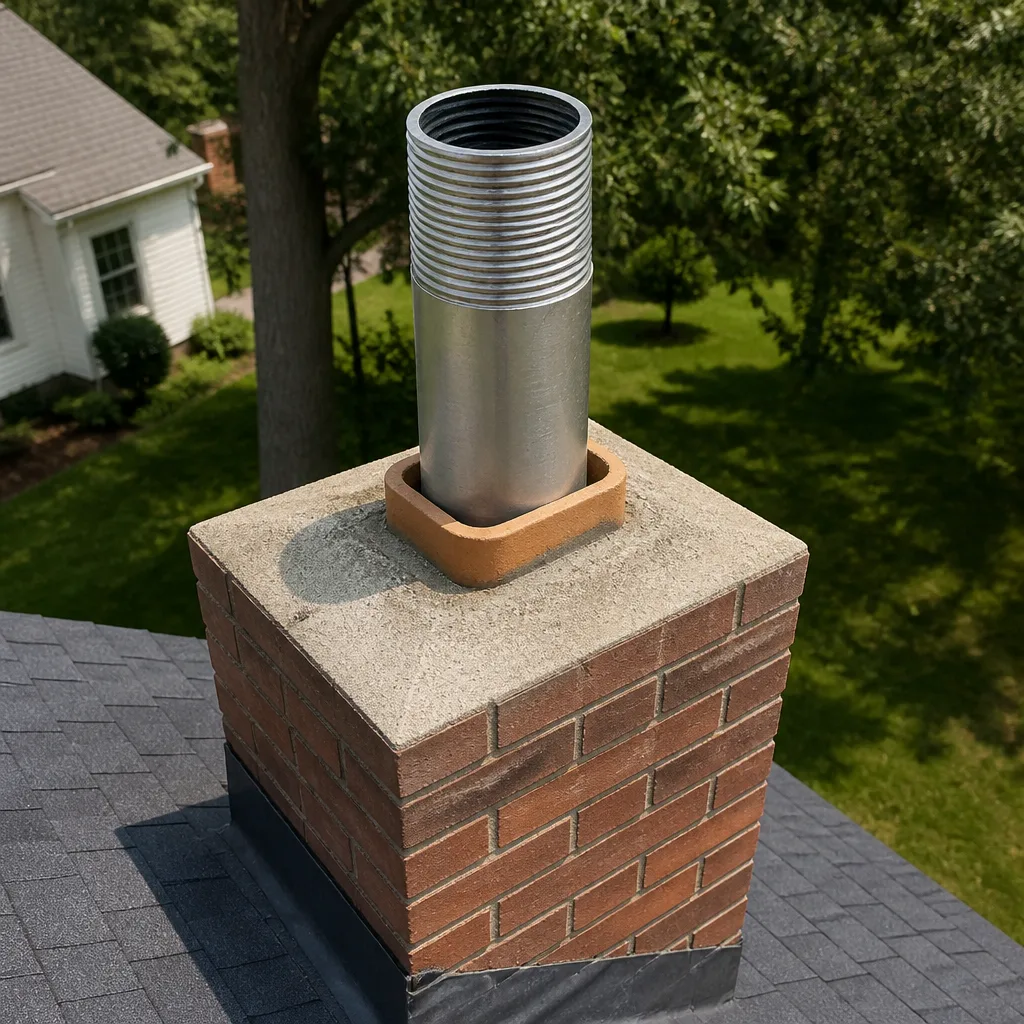
- Get the repair or reline done before the next fire. Depending on the damage, that could be a HeatShield resurfacing, a DuraFlex flexible liner system, or a full rebuild.
The repair options in Castle Rock depend on the age and construction of the chimney. Older masonry chimneys with offset flues often can’t take a rigid liner. DuraFlex flexible liner systems are designed to negotiate those offsets, so the chimney can be relined rather than rebuilt. For homes with cast-in-place liners that are cracked but not collapsed, HeatShield can restore the liner from the inside without demolition.
What Does a Level 2 Inspection Have to Find?
A Level 2 inspection after a chimney fire has to answer one question: can this chimney safely vent another fire? To answer it, the inspection needs to document several specific things.
- Flue liner condition. Cracks, gaps, spalling, and missing mortar joints at every joint in the flue. A camera captures what a flashlight misses.
- Creosote condition. Not just how much is left, but whether the glaze layer has hardened into a form that won’t come off with a standard sweep.
- Joints and offsets. The interior transitions in the flue are where most defects appear, and they can only be inspected with a camera.
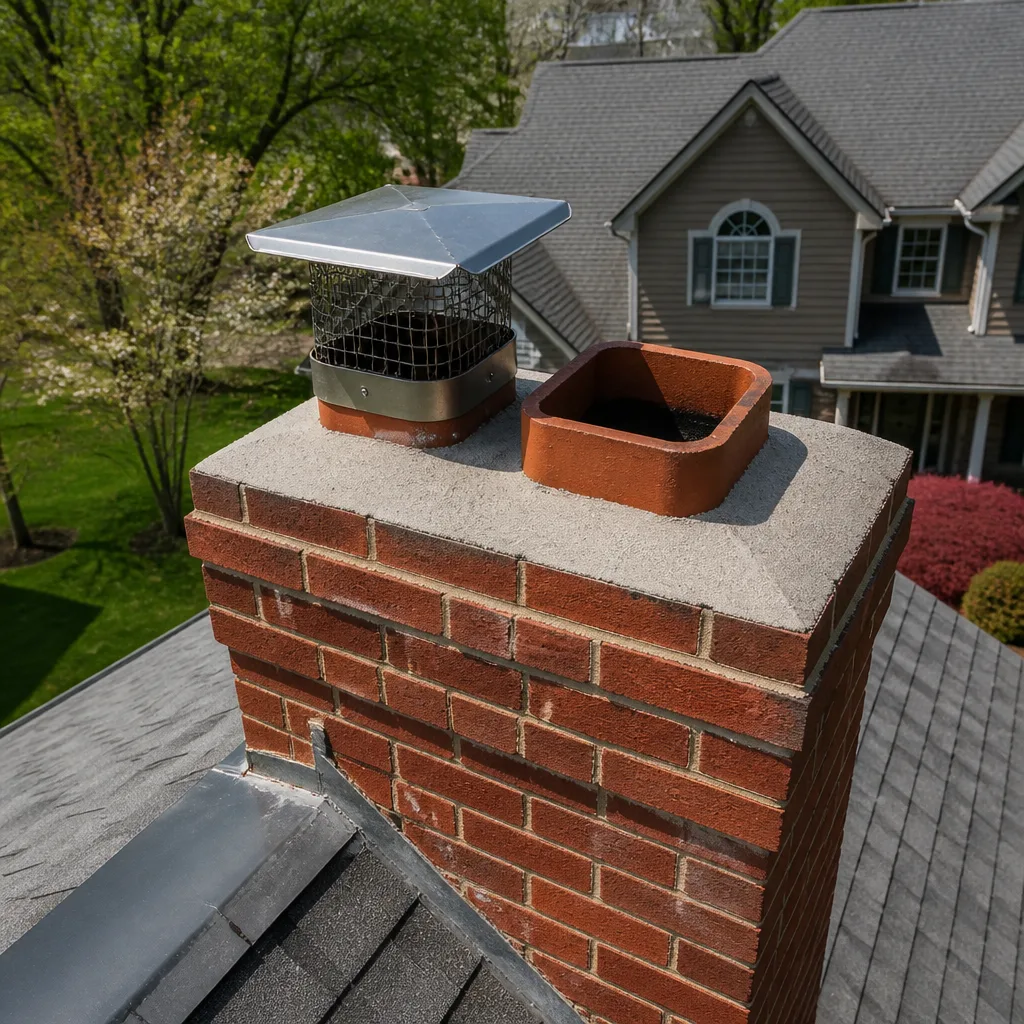
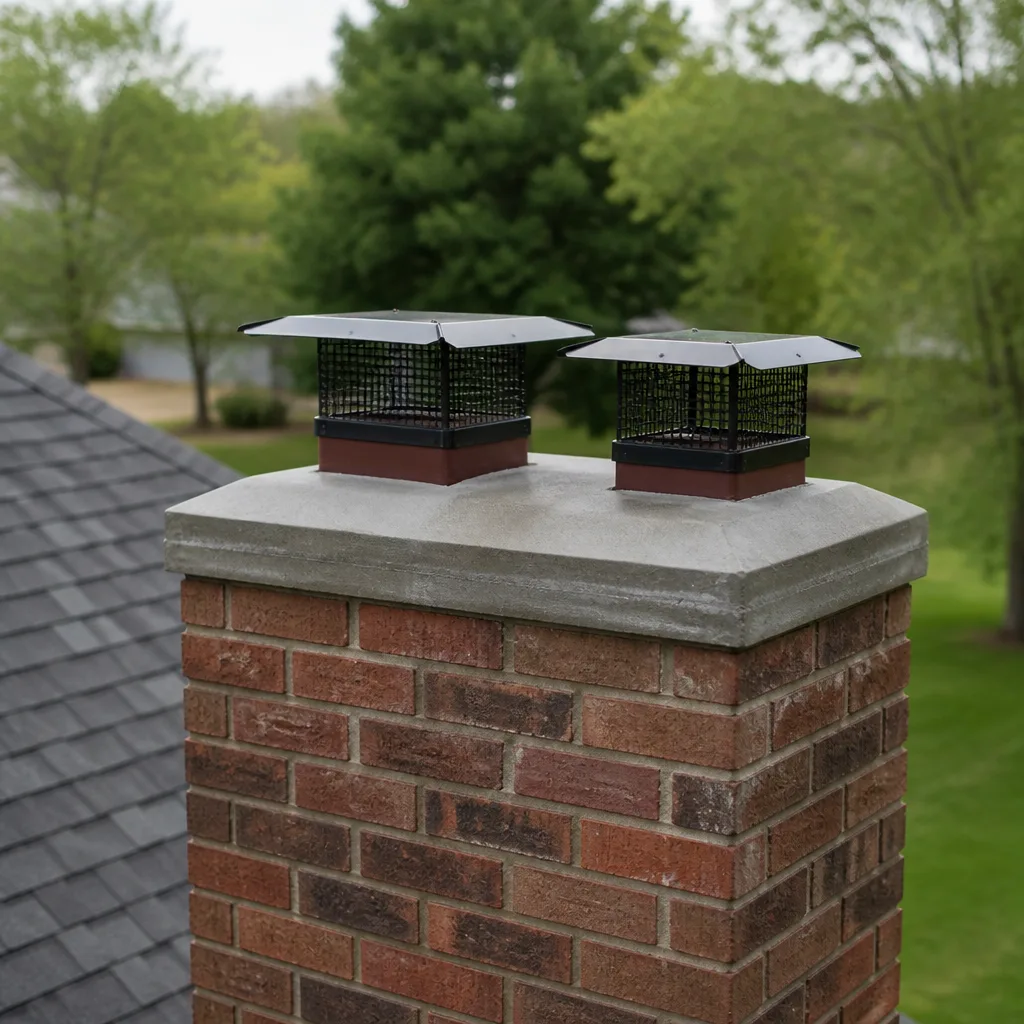
- Crown and cap condition. A cracked crown or missing cap lets water in and lets embers out. Both matter after a fire.
- Connections to appliances. If the fireplace shares a flue with the furnace or water heater, that junction needs inspection too.
The inspection report should include photos or video frames at each defect location. If you get a report that says only “liner has issues,” ask for the pictures. You paid for evidence, and you should be able to see what the technician sees. We use professional-grade components from Famco and Copperfield for cap and crown work because the same materials certified chimney professionals specify nationwide hold up better in the Castle Rock climate than hardware-store substitutes.
How Do You Document a Chimney Emergency for Insurance?
Insurance claims for chimney fires hinge on documentation, and the photos you take within the first few hours after the fire are often the most valuable evidence you’ll have. Most insurers will also want a written inspection report from a chimney specialist before they’ll authorize repair work.
Photos to Take Immediately After the Emergency
- The chimney exterior, including the crown, cap, and top of the flue from ground level and from the roof if it’s safe.
- The firebox interior, the damper, and the smoke chamber area.
- Any smoke staining on walls, ceilings, or surfaces in the room with the fireplace.
- Creosote buildup visible in the flue, if the fire department or a technician shows you.
- Any fire department incident paperwork or reference number.
What the Sweep Report Needs to Include
- The date and time of the inspection.
- The type of inspection performed (Level 2 after a chimney fire).
- Photo or video documentation of every defect, with location described.
- An assessment of what can be repaired versus what must be replaced.
- Clear language about what’s required for the chimney to be safe to use again.
Insurers typically want to hear from a chimney specialist, not a general contractor, because the repair scope depends on what the inspection actually found. That’s the value of a single-trade focus. Every technician who shows up works exclusively on chimneys, so the report reflects what the specialist saw, not a best guess from someone whose main work is something else.
For structural fireplace issues that come out of the insurance conversation, our fireplace repair page covers what the repair process typically involves.
How Do You Prepare a Castle Rock Chimney Before Fire Season?
Preparation is the difference between a chimney that vents safely all winter and one that gives you a call to the fire department in January. The three things that matter most are a professional sweep before the burn season, a Level 1 or Level 2 inspection depending on the chimney’s history, and a check of the cap and crown before the first snow.
Pre-Season Checklist
- Sweep before the first fire. A professional sweep removes creosote before the burning season starts. If it’s been more than a year, don’t skip it.
- Inspect the cap and crown. A missing cap lets birds and debris into the flue. A cracked crown lets water in and can freeze-thaw through the winter. Both can be repaired before they cascade into bigger damage.
- Test every CO detector. Replace batteries and check that the detectors are within their service life. Most manufacturers print an expiration date on the back.
- Check the damper. It should open and close cleanly. A stuck damper can leave smoke in the house or, worse, leave exhaust gases with nowhere to go.
- Clear the roof. Remove debris, tree limbs, or snow load that could block the cap or damage the crown before the first freeze.
Castle Rock sits at high elevation with a shorter burn season than lower Front Range towns, but the swing between warm days and cold nights means fires get lit and extinguished more often, which builds creosote in cycles. Getting the sweep done before the season rather than mid-season gives the technician a clean baseline to work from. When you’re ready to book, our Chimney Sweep Castle Rock page has the full list of services and how to schedule.
Common Mistakes to Avoid
- Throwing water on a chimney fire. Thermal shock can crack the flue tile and send flames into the wall cavity. Use a dry chemical extinguisher or simply close the damper and evacuate.
- Assuming the fire is out because it stopped roaring. Chimney fires can smolder in the smoke chamber or attic long after the visible flames die down. The fire department needs to confirm it’s out.
- Relighting the fireplace the next day without an inspection. A chimney that survives a fire can still have a cracked liner or a gap that lets CO into the house. Inspection comes first, fire comes after.
- Relying on a standard CO alarm alone. Low-level leakage can persist for weeks below the alarm threshold. Pay attention to recurring symptoms that ease when you leave the house.
- Skipping documentation. Photos and an inspection report are what an insurer needs. Waiting a week to take photos after the emergency can weaken the claim.
- Hiring a generalist who “does chimneys too.” A contractor whose main work is HVAC, gutters, or roofing won’t have the camera equipment or the training to diagnose what a chimney fire did to a flue. Insist on a chimney-only specialist.
- Letting a cracked crown go into winter. In Castle Rock, water that gets into a cracked crown freezes overnight and expands the crack, so a small repair in the fall becomes a structural issue by spring.
See the difference
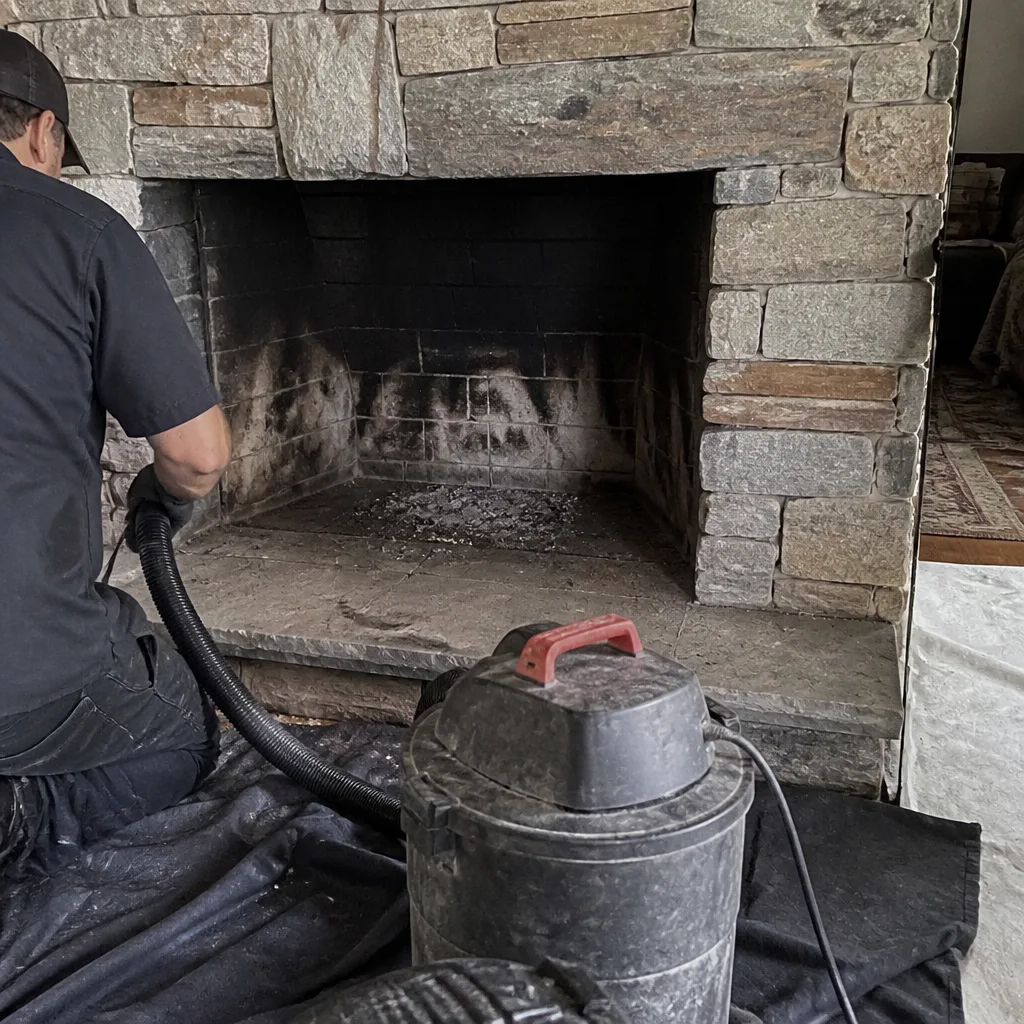 Before
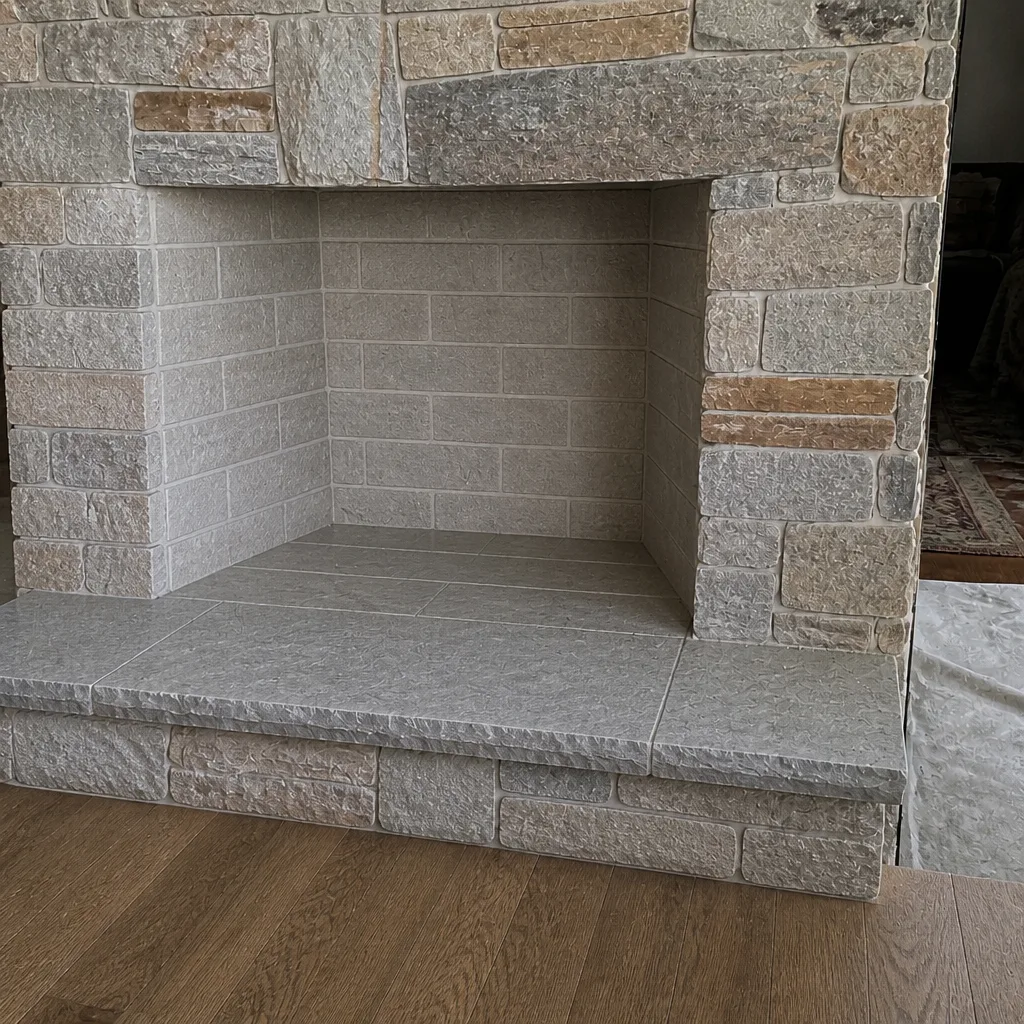 After
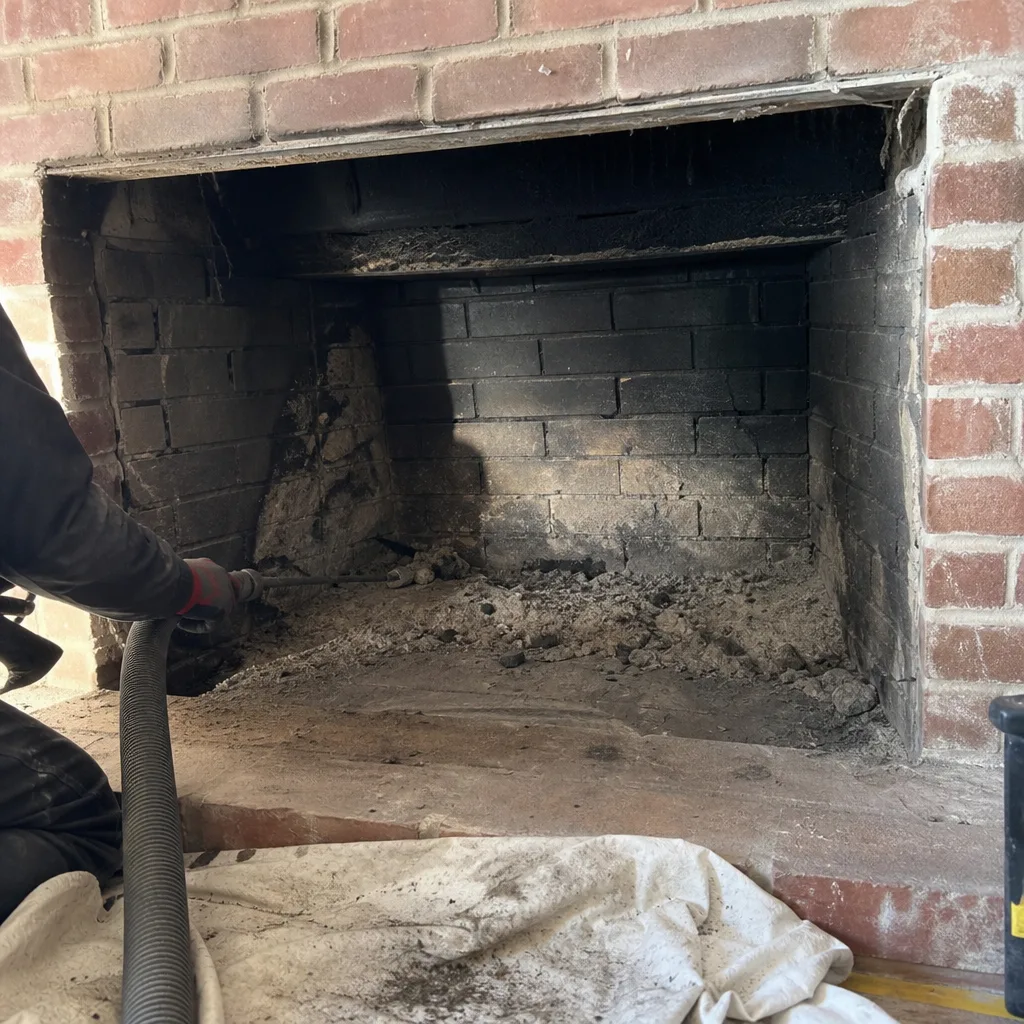 Before
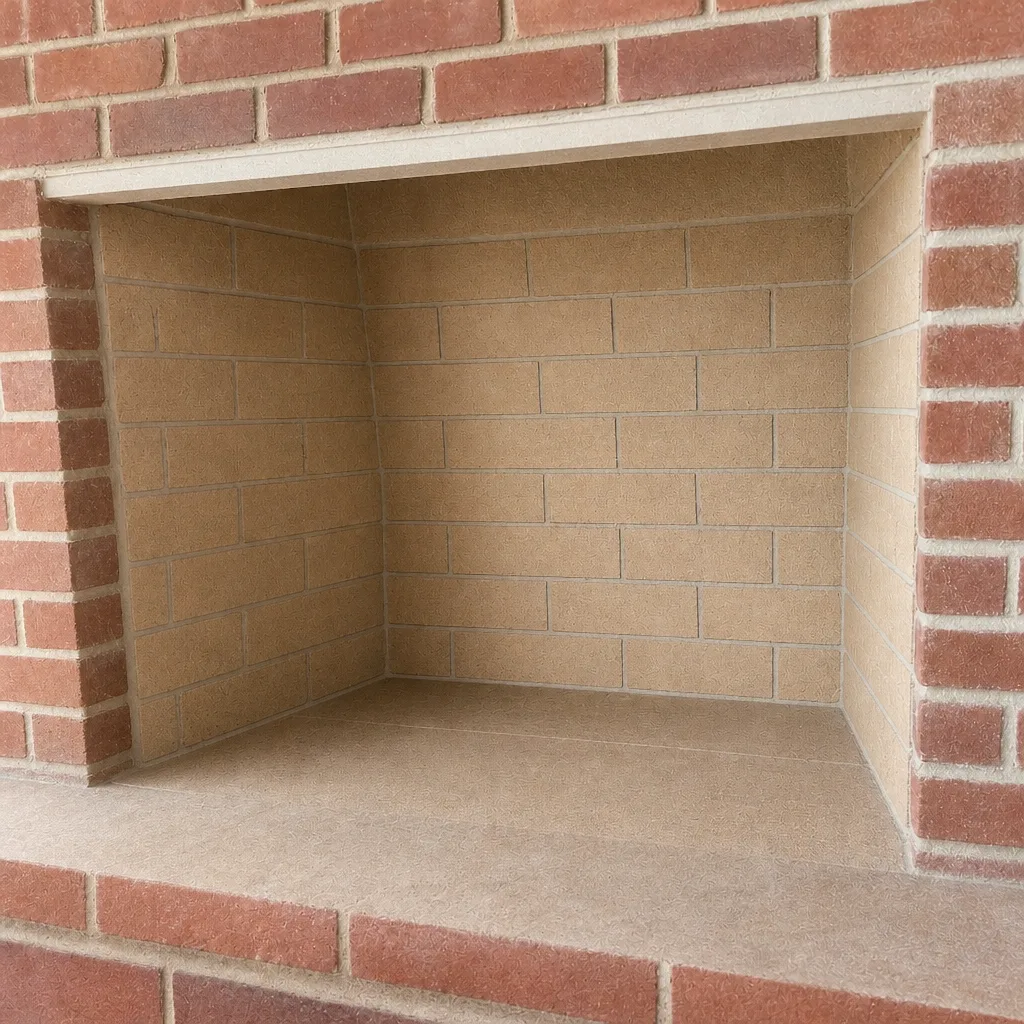 After
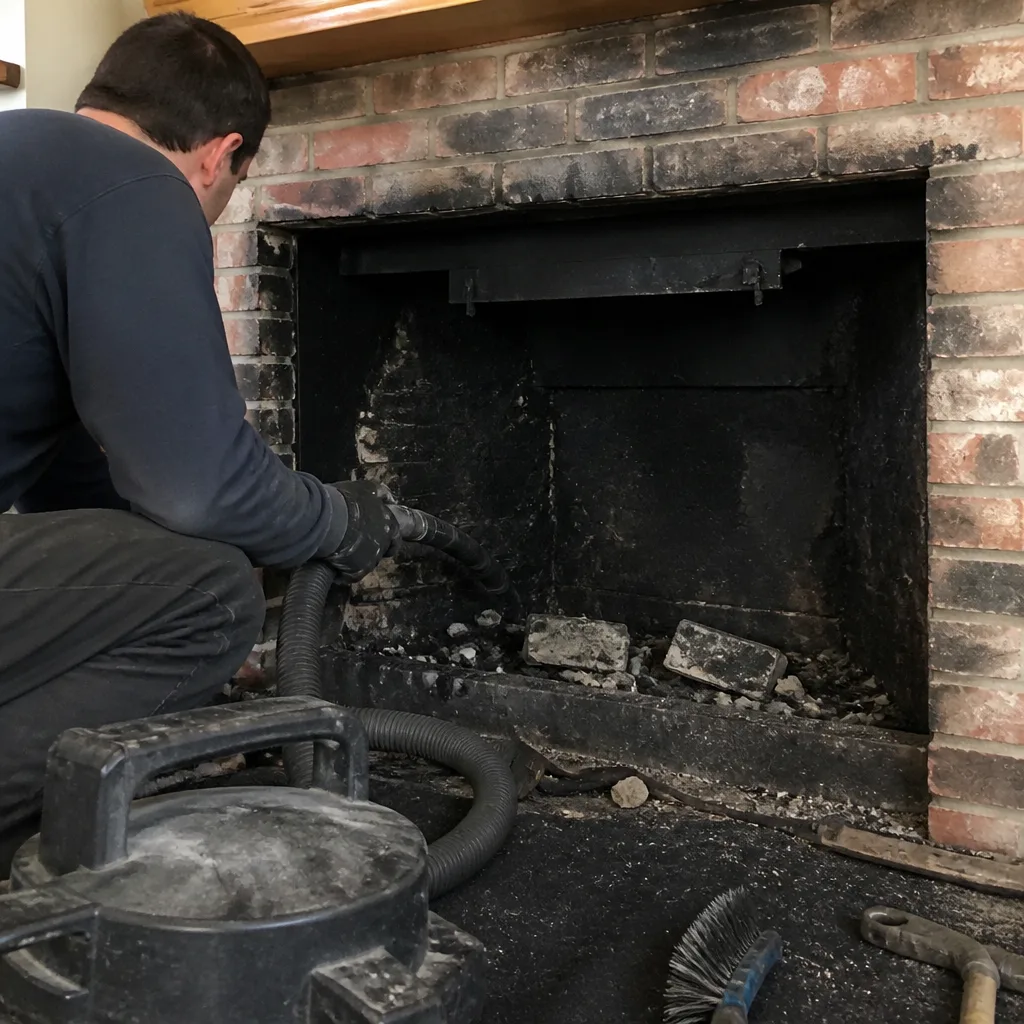 Before
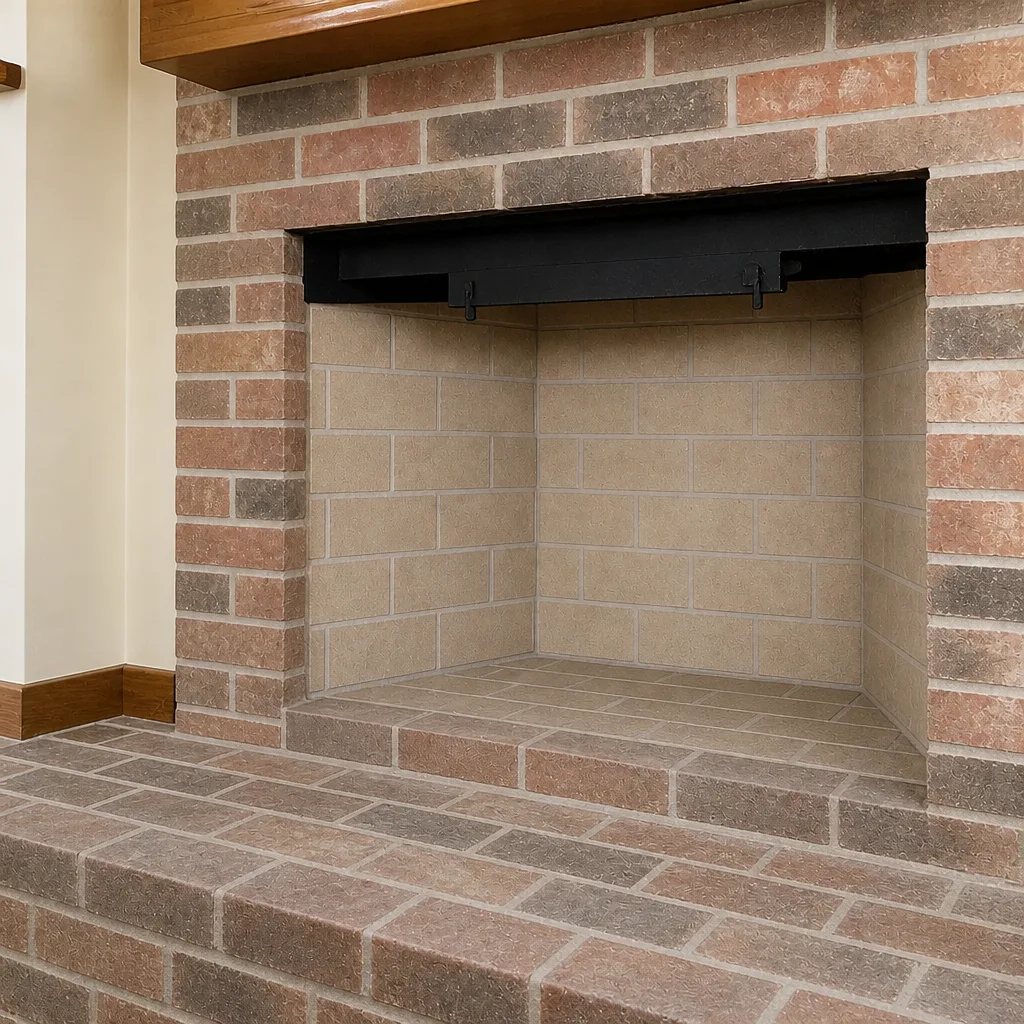 After
When to Call a Professional
Call a chimney specialist if any of these apply: you suspect a chimney fire happened, even a small one; you smell creosote or smoke in the house with no fire burning; a CO detector has gone off and you can’t trace why; the fireplace has visible cracks, loose bricks, or a damaged crown; or it’s been more than a year since the last sweep. Our technicians have up to 9 years of experience, and every job we do is chimney-specific. Chimney Sweep Castle Rock offers free estimates in Castle Rock. Call (833) 699-7166. We answer 24/7. Fast dispatch from 7am to 7pm, Sunday through Friday.
Frequently Asked Questions
Close the damper if you can reach it safely, then get everyone out of the house and call 911. Do not throw water on the fire, because thermal shock can crack the flue tile and give flames a path into the wall. Stay outside until the fire department clears the scene. Call (833) 699-7166 for an inspection after the emergency; estimates are free.
You don’t, and that’s the reason to call the fire department even if the roaring stops. A chimney fire can smolder in the smoke chamber or in the attic insulation long after the visible flames die down. The fire department can confirm it’s fully extinguished with thermal imaging and a rooftop check. Call (833) 699-7166 after they clear the scene to book the Level 2 inspection.
No, not until a Level 2 camera inspection confirms the flue liner and smoke chamber are intact. NFPA 211 requires a Level 2 inspection after a chimney fire, and the report has to document the flue interior before the chimney is safe to use. Call (833) 699-7166 to schedule the inspection.
Standard CO alarms are set to trigger at higher concentrations than a slow, low-level leak produces, so a chronic flue defect can release CO for weeks without setting off the alarm. That’s why recurring headaches, fatigue, or nausea that ease when you leave the house are worth acting on even when no alarm has sounded. Call (833) 699-7166 to have the flue inspected.
Once a year, and more often if you burn frequently or if creosote is building up quickly. In Castle Rock’s short but intense burn season, the cycle of lighting and extinguishing fires builds creosote in layers, so an annual sweep before the season starts is the safe baseline. Call (833) 699-7166 to book a sweep.
An inspection is included in the written estimate we provide for the work needed, and the estimate itself is free. A Level 2 inspection includes camera documentation of the flue interior, a check of the crown and cap, and a photo report you can review yourself and share with your insurer. Nothing is recommended without evidence you can see. Call (833) 699-7166 for an exact quote.
The Bottom Line
A chimney fire emergency in Castle Rock comes down to five things: recognizing the sound, smoke, and smell; closing the damper only if it’s safe; getting everyone out; calling 911; and never using water. After the emergency, the fireplace stays off until a Level 2 inspection with camera documentation confirms the flue is safe. Photograph everything for your insurer, and don’t trust a general contractor to make the call. A chimney-only specialist who works with professional-grade materials from HeatShield, DuraFlex, Famco, and Copperfield can tell you through evidence what the fire did and what the repair needs to be.
If you’re not sure your chimney is safe after a fire, or you want a clean baseline before burning season, call us at (833) 699-7166. We answer 24/7. Fast dispatch from 7am to 7pm, Sunday through Friday. Estimates are free, and nothing gets repaired until you’ve seen the camera evidence yourself.
Written by the team at Chimney Sweep Castle Rock.