
Last updated November 23, 2026
 Sweep & inspection
 Caps & crowns
 Flue relining
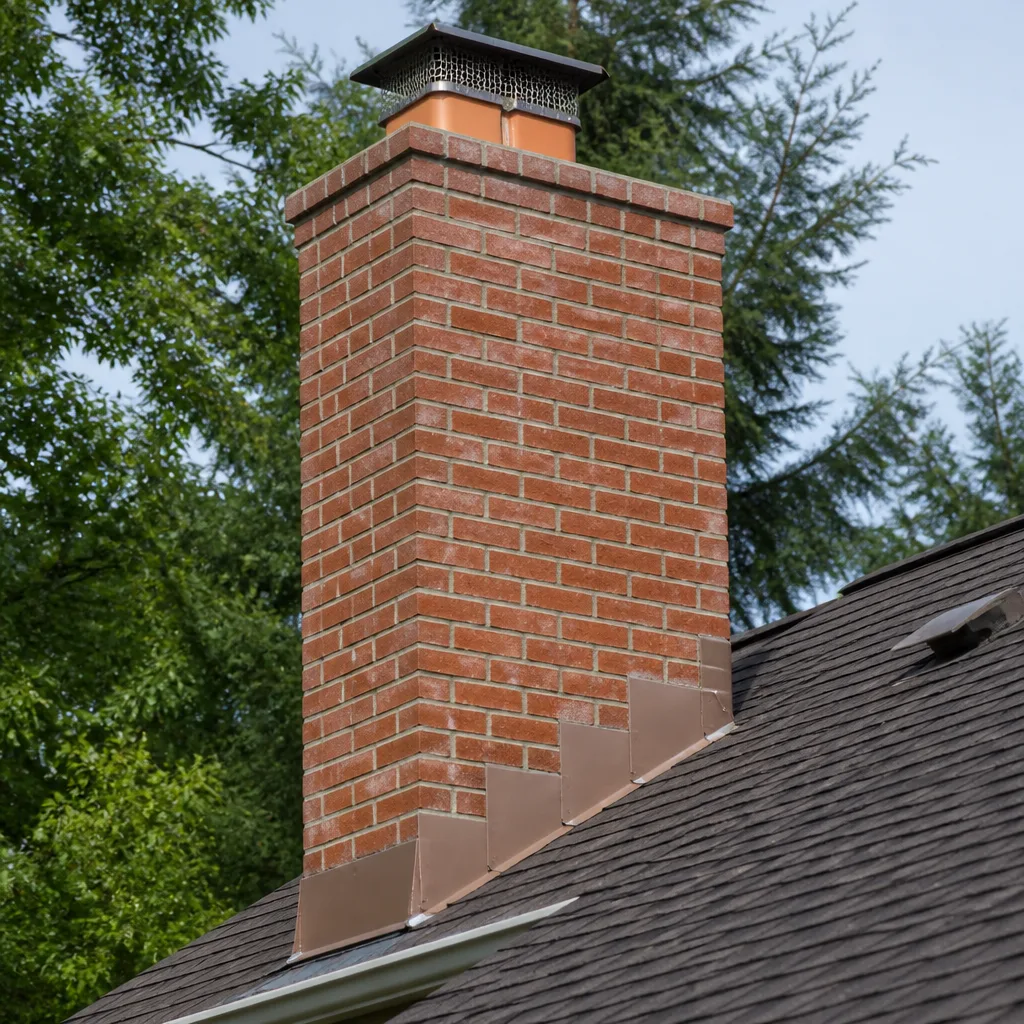 Masonry repair
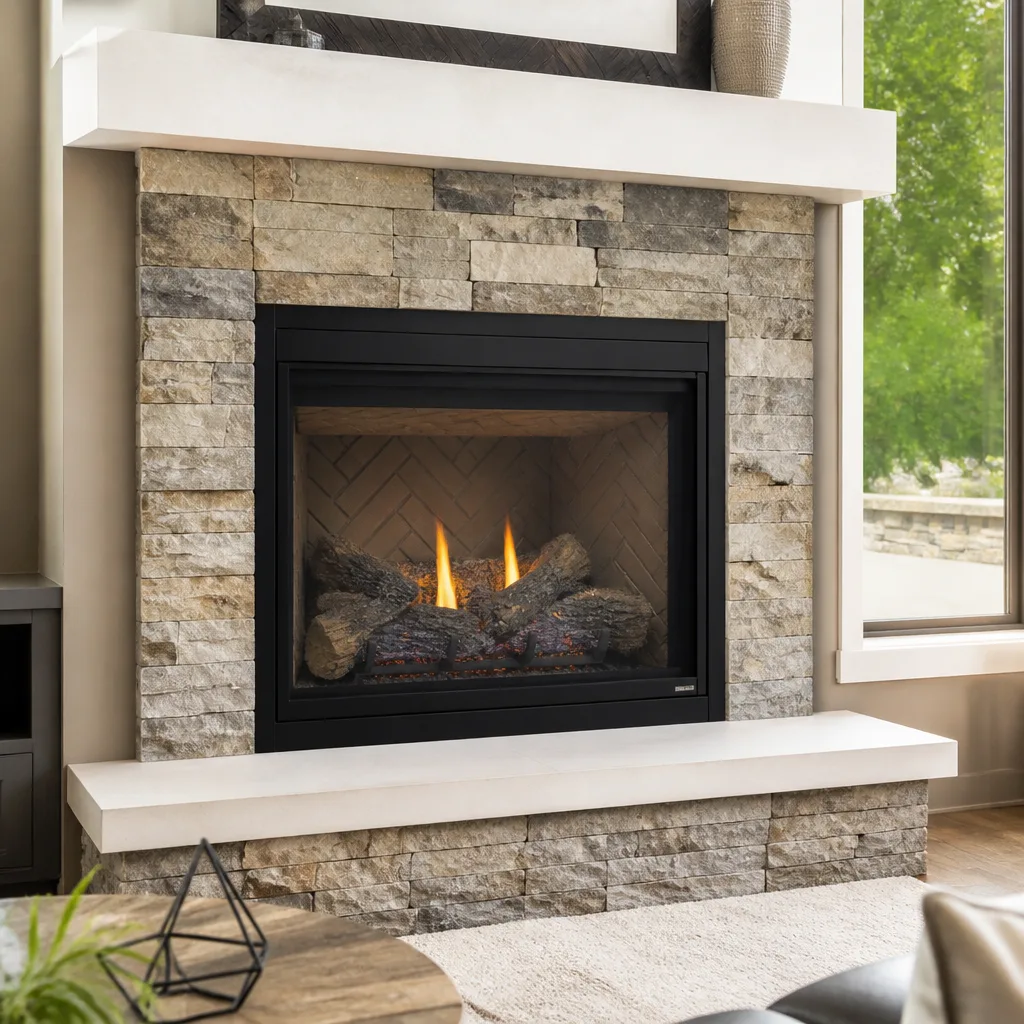 Gas fireplace service
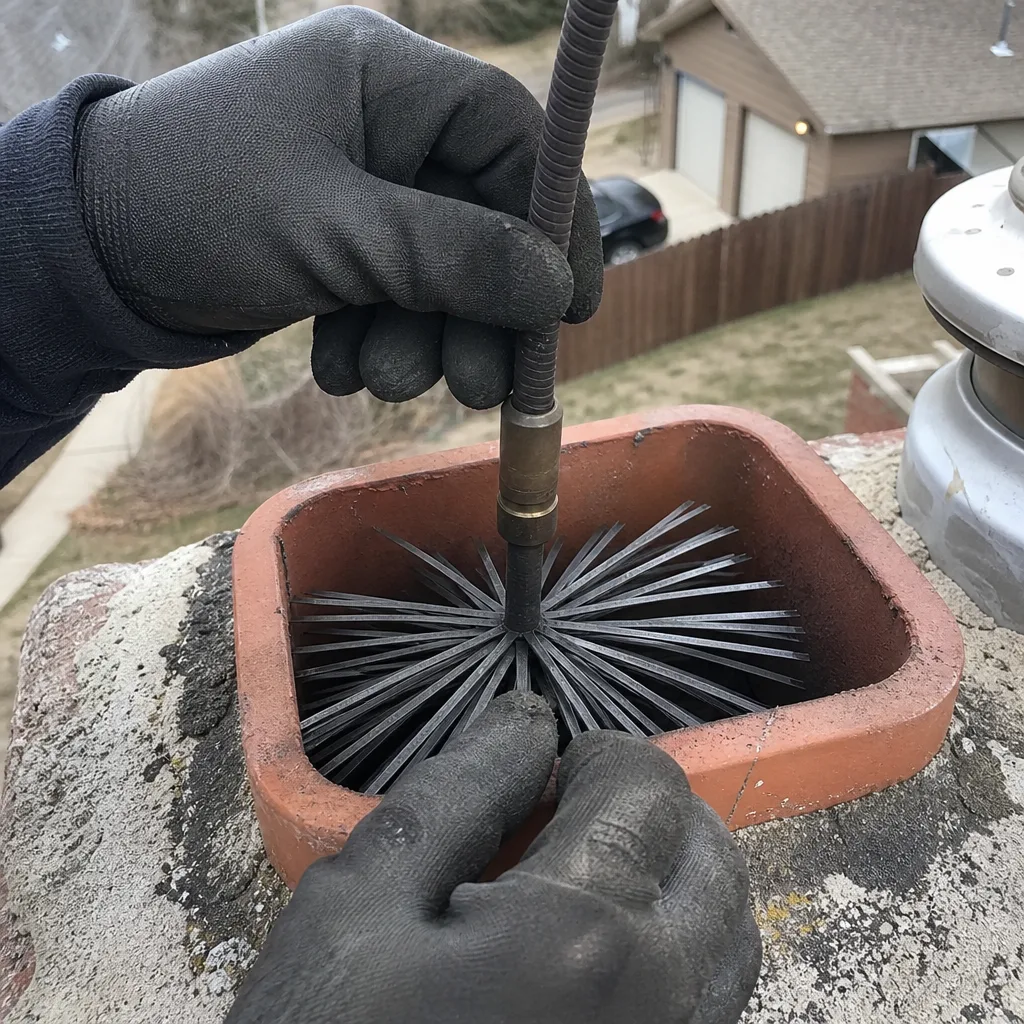
Level 1 sweep and inspection to the NFPA 211 annual standard - flue, crown, cap, and flashing checked and photographed
Chimney sweep logs do not sweep chimneys. They loosen some creosote - which then falls where a brush and vacuum still have to collect it.
Chimney Sweep Maintenance Checklist for Castle Rock Homeowners
The item most Castle Rock homeowners skip is also the one most likely to start a house fire: checking the smoke chamber for glazed creosote after a hot, fast-burning fire. Everyone remembers the flue and the firebox. The smoke chamber – that tapered, corbelled space right above the damper – collects the sticky, tar-like deposit that a standard brush pass can slide right past. And glazed creosote is the grade that ignites. This guide is a working checklist built around what actually fails on Castle Rock chimneys, month by month, from late-spring snow loads to hail season on the crown. You’ll also learn which checks are safe for you and which ones need a camera and a specialist.
Quick Answer
A working chimney maintenance checklist for Castle Rock means three things: a professional sweep and inspection once a year (annually for wood burners, and again after any season where you burned more than a cord), a set of homeowner checks you can safely do yourself in minutes, and a timed pass over the exterior after hail season and after the late-spring snowstorms that push moisture into uncapped flues. The single most-skipped check is the smoke chamber for glazed creosote – and that one needs a professional.
Styles & brands we work with
- Sweep & inspection
- Caps & crowns
- Flue relining
- Masonry repair
- Gas fireplace service
Table of Contents
- A Castle Rock Chimney Calendar: What to Check and When
- After the Late-Spring Snowstorms: Moisture Checks
- Damper, Smoke Shelf, and Firebox: What You Can Check Safely
- Crown and Flashing: What Hail Season Does to Your Chimney
- How to Document Your Chimney’s Condition Year Over Year
- A Maintenance Checklist vs. an Inspection: The Difference That Matters
- Creosote: The Specific Problem Behind Most Chimney Fires
- How Often Should a Castle Rock Chimney Be Swept?
A Castle Rock Chimney Calendar: What to Check and When
Generic checklists say “check your chimney in the fall.” That’s not wrong, it’s just too vague to be useful. Castle Rock’s weather runs a specific course each year – dry, windy springs, a hail-prone early summer, a hot and dry stretch, then a real winter with freeze-thaw cycles at night. Each of those seasons puts a different kind of wear on a chimney. A calendar ties the checks to the weather that causes the wear, so nothing gets missed because you didn’t know it was a risk.
Here’s how we think about the year for a typical wood-burning masonry chimney in Castle Rock. Your burner cycle and fuel type may shift some of it, but the spine holds.
- Late winter / end of burning season: Book the annual chimney sweep and inspection once you’ve had your last fire of the year. Creosote is at its heaviest and hasn’t had months to harden further.
- Early spring: After the sweep, do the homeowner checks (damper operation, firebox cracks, visible smoke shelf debris) while everything’s accessible and before the dry season.
- Late spring, after the last snowstorms: Inspect the exterior – cap, crown, and flashing – for moisture that late snow can force into an uncapped or partly covered flue.
- Early summer, after hail season: Re-check the crown and flashing for new cracks or lifted edges. Hail damage to a crown is cumulative and easy to miss.
- Late summer: If you haven’t booked the annual service, do it now, before the fall rush. Also the time to schedule any repair the inspection flagged, so it’s done before you need the fireplace.
- Fall, before your first fire: A quick visual exterior check and a homeowner check of damper operation and firebox condition. Confirm the cap is secure before the wind picks up.
- Throughout the burn season: Watch for smoke rolling back into the room, a damper that doesn’t seat, and any new smell or stain.
This rhythm keeps the expensive work (masonry repair, relining) scheduled in the shoulder seasons and the safety work (sweep, inspection, glazed creosote removal) ahead of the first fire. It also means you’re never discovering a problem mid-winter when the fix is harder.
After the Late-Spring Snowstorms: Moisture Checks
Castle Rock gets some of its heaviest snow late in the season, after a stretch of warm days. That combination is the worst thing for a chimney. Warm days soften the masonry and warm the flue; the late snow then sits on the crown and melts into any crack, refreezing at night. A freeze-thaw cycle a few times repeated widens a hairline crack into a real one. This is why we treat the late-spring snowstorm as a maintenance event, not just weather.
What to check after the melt:
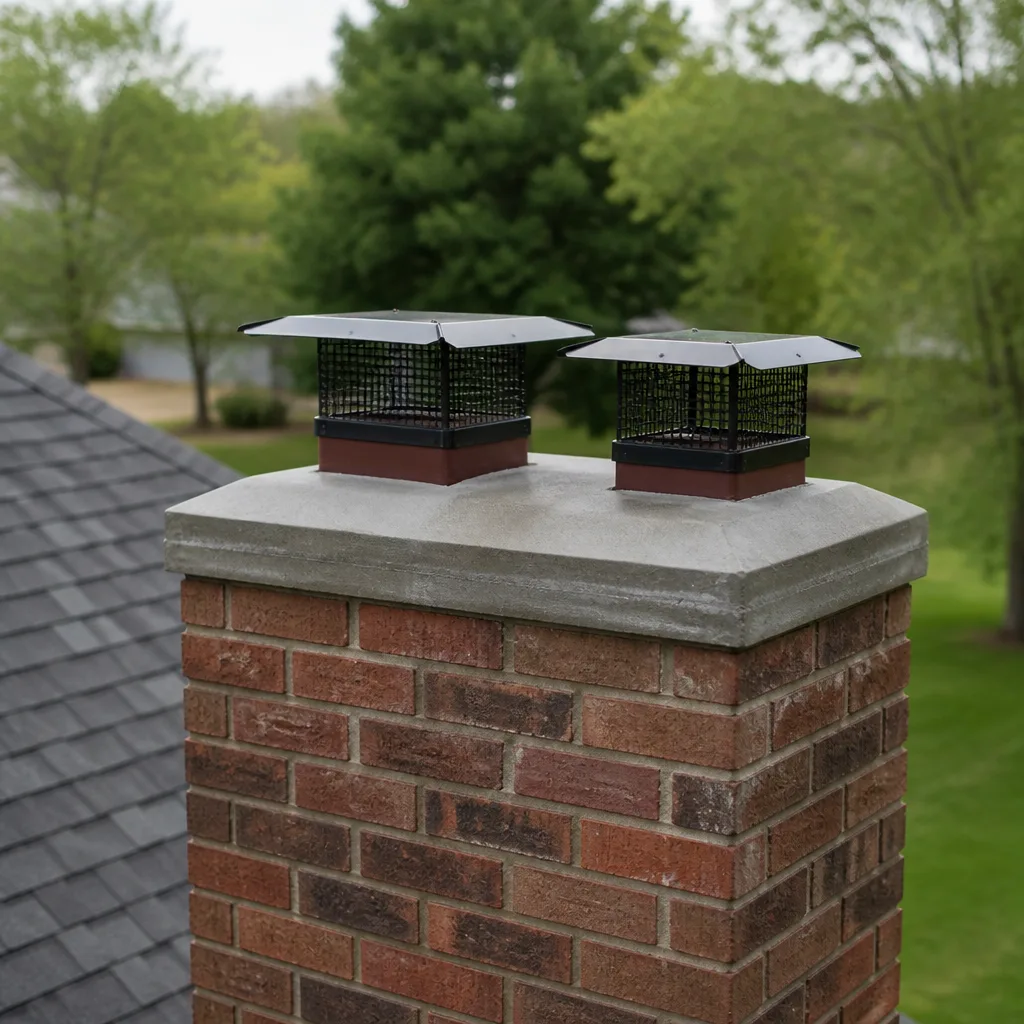
- The cap. Is it still seated? Is the spark screen intact, or has it sagged or torn? A cap that lifted in wind or shifted under snow load lets water and animals straight into the flue.
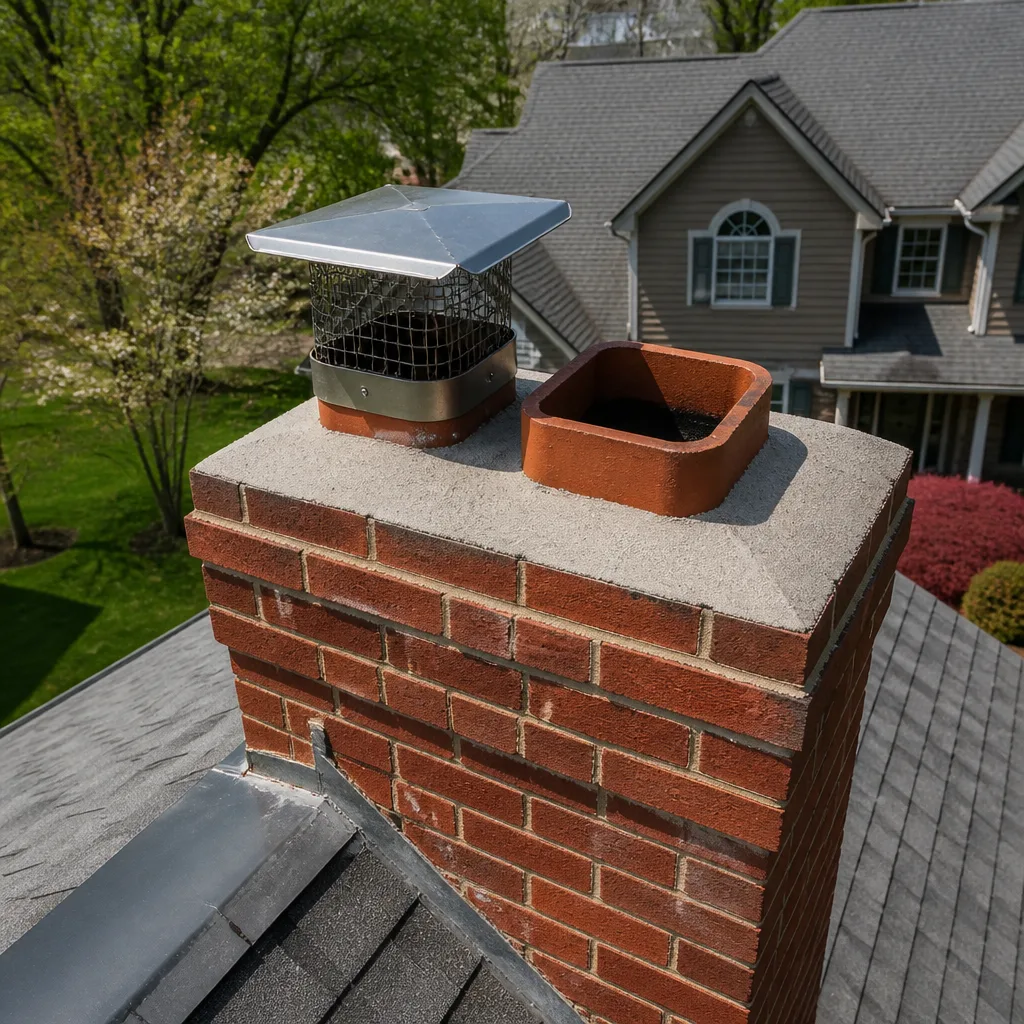
- The crown. Look at the sloped top of the chimney for new cracks, chipped edges, or an overhang that’s spalling. A crack that runs to the flue is a direct water path.
- Flashing where the chimney meets the roof. Lifted, rusted, or separated flashing shows up first as a dark stain on the ceiling below, but you can often catch it outside before that.
- Staining on interior walls or ceiling near the chimney. Brown rings, damp patches, or a musty smell near the flue are the inside view of an outside moisture problem.
- The damper and smoke shelf. After a wet season, a damper that was easy to operate may feel stiff or stuck. That’s often rust or debris, not a mechanical failure.
Uncapped or partly capped flues are the homes that suffer most. Water gets in, sits on the smoke shelf, and rusts the damper over a season. If your flue has no cap or a damaged one, that’s a chimney repair worth doing before the next snow season rather than after. When we install or replace a cap, we use manufacturer-grade components from brands like Gelco and Olympia Chimney, not hardware-store substitutes – a cap that fails in two winters is worse than no cap at all.
Damper, Smoke Shelf, and Firebox: What You Can Check Safely
Some chimney checks are safe for any homeowner with a flashlight. Others need a trained eye and access a camera provides. Knowing which is which keeps you from either skipping the safe checks or taking on a dangerous one. The simple rule: you can look at and operate anything you can reach with a flashlight and your hands. You should not open, disassemble, or reach up into the flue, and you should never touch the smoke chamber trying to scrape it.
Safe for you to check:
- Damper operation. With no fire lit, open and close the damper fully. It should move smoothly and seat flush. A damper that sticks open or won’t close defeats the purpose of a fireplace on a cold, windy Castle Rock evening.
- The firebox. Shine a light on the brick or refractory panels. Look for cracks, crumbling mortar, or pieces that are loose. Hairline cracks in the firebrick are common and often cosmetic; a crack wider than a fingernail or a loose panel is not.
- The smoke shelf. Look up past the damper with a flashlight. You’re checking for visible debris – soot, leaves, animal nests. You are not reaching in to clean it.
- The grate, andirons, and screen. These are user-serviceable. Loose or rusted parts get replaced.
- The cap from the ground or a safe vantage. Binoculars are fine. A ladder is not.
Not safe for you – call a specialist:
- The smoke chamber above the damper, especially for glazed creosote. This needs scraping and, often, resurfacing.
- Anything inside the flue, above the smoke shelf. A camera inspection shows what a flashlight can’t.
- Any masonry repair on the exterior above head height.
- Any gas appliance work, or any electrical work on an insert or fan.
If a smoke chamber has a heavy, shiny, tar-like glaze, that’s a one-way ticket to a professional. We resurface smoke chambers with HeatShield, a specialist-only restoration method that smooths the chamber, helps it draft correctly, and skips the full demolition a generalist would often recommend. That’s also the honest answer when a repair estimate sounds like overkill: the camera and the resurfacing assessment either show the problem or they don’t.
Crown and Flashing: What Hail Season Does to Your Chimney
Castle Rock gets hail. Some of it sizable. A cracked crown is one of the leading entry points for water damage to a chimney and the framing behind it, and hail is one of the quiet causes. A crown is the sloped top of the chimney, usually mortar or concrete, designed to shed water away from the flue. When hail fractures the surface, water follows the fracture in, sits under the crown, and freezes and thaws through the winter. What looked like a cosmetic chip in June is a leaking crown by the next thaw.
The exterior check after hail season is quick:
- Cracks that run to the flue. Any crack that reaches the flue opening needs repair, not just a patch.
- Chipped or spalling edges. Concrete that flakes and exposes aggregate is weakening and letting water in.
- The crown’s pitch. It should slope away from the flue on all sides. A flat or sagging crown holds water instead of shedding it.
- Flashing. Check the metal where the chimney meets the roof for lifted edges, loose nails, or rust. Lifted flashing shows up first as a leak at the ceiling junction.
- The cap. Hail can dent or tear a spark screen. A torn screen lets embers out and animals in.
Crown repair and replacement is one of the five core jobs we do, and it’s where using the right material matters most. A crown rebuilt with a proper hard-wearing mix and correctly flashed will hold up to Castle Rock hail. One built with a quick-patch mix will not. If the crown is cracked but the flue is sound, this is a contained repair; if water has already reached the masonry below, the scope grows. A camera inspection and a photo of the crown tell you which case you’re in before you agree to anything.
How to Document Your Chimney’s Condition Year Over Year
The most useful thing you can own for your chimney is a simple record. When a contractor gives you a repair estimate, the hardest question is: is this real, or am I being sold work I don’t need? A year-over-year file answers that. You have a baseline. You can see whether a crack was there last year or is new this year. You can see whether the “urgent relining” a generalist quoted is actually a change from the last inspection or the same condition that’s been stable for a while.
Here’s a simple system that takes ten minutes a year:
- Keep every inspection report and the photos. A professional sweep and inspection should produce a written report and photos of the flue, smoke chamber, and crown. File the digital copies in one folder.
- Photograph the exterior yourself each spring. Stand at a safe distance and shoot the crown, cap, and flashing from the same angle every year. Same angle is the trick – it makes comparison real.
- Note the date and what you saw. One line: “April 2026, crown hairline at NE corner, cap secure.” Ten seconds of writing.
- Note your fuel and burn volume. “Two cords, mostly seasoned hardwood,” or “gas insert, minimal use.” This drives how often you sweep next season.
- Keep the estimate you turned down. When someone claims a problem is worse than it is, your photo shows the truth. When it is worse, you’ll wish you hadn’t repaired it sooner.
The value shows up exactly when you need it: an inspection flags a cracked crown, a contractor quotes a big repair, and you compare this year’s photo to last year’s. If the crack is new and growing, you repair. If it’s unchanged from three years ago, you ask the hard question. A specialist will welcome that comparison. When we inspect, we send photos so the homeowner can see what we see – and we’ll tell you plainly when work can wait.
A Maintenance Checklist vs. an Inspection: The Difference That Matters
Homeowners often use these words interchangeably. They’re not the same thing, and confusing them leaves the dangerous gaps. A maintenance checklist is a set of routine checks and cleanings – some by you, some by a sweep – that keep the system functioning and catch obvious wear. An inspection is a structured evaluation of the whole venting system against a standard, usually done with a camera, that assesses condition, clearance, and safety. A checklist tells you the fireplace works. An inspection tells you whether it’s safe to use.
The maintenance checklist includes:
- A sweep to remove soot and creosote
- Homeowner visual checks of the firebox, damper, and exterior
- Replacing a damaged cap or screen
- Seasonal moisture and hail checks
- Keeping the condition record
An inspection adds:
- A camera pass of the full flue to look for cracks, gaps in the liner, and offset joints
- An assessment of the smoke chamber, especially for glazed creosote
- Checking clearances to combustible materials
- Evaluating the liner material and its condition as a system
- A written report you can keep and compare year over year
Here’s the gap that matters: a well-meaning homeowner who sweeps and checks and does everything on the checklist can still have a failed flue liner they can’t see. The flue looks fine from below, drafts fine, and the fire burns. A camera shows the crack. That’s why we treat the annual sweep and the inspection as one visit – sweep, camera, photo report. It’s the same trip and it closes the gap. Confusing a checklist with an inspection is how a house ends up with a hidden liner problem on a fireplace that seems to work perfectly.
Creosote: The Specific Problem Behind Most Chimney Fires
Most chimney fires start because creosote – the tar-like residue from burning wood – builds up and ignites. It forms in three general stages: a light soot that brushes away easily, a flaky or crusty deposit, and the glazed, hardened, tar-like stage that’s the most flammable and the hardest to remove. The third stage is where the danger is, and it’s also the stage a standard brush pass can’t handle. Glazed creosote needs to be scraped and often resurfaced. That’s a professional job.
What drives creosote formation in Castle Rock:
- Fuel moisture. Unseasoned or “green” wood burns cool and smolders, producing more creosote. Seasoned hardwood is the fix.
- Smoldering fires. A fire damped way down to burn all night produces more creosote than a hot, clean burn.
- Cold flues. A cold flue and a fast, hot fire can send unburned gases up and condense them on the flue walls. The combination of a cold start and a hot fire is exactly the scenario the smoke chamber glazes in.
- Restricted draft. A partially blocked cap or a damper that won’t open fully reduces draft and lets creosote deposit.
The glazed stage is why we check the smoke chamber every visit, not just the flue. The chamber’s shape and the way gases swirl through it make it a collected-crete magnet. And because it’s a specific, checkable thing, it’s the check most worth remembering: if you take one thing from this guide, take this. A hot, fast-burning fire in a cold flue is the setup for glazed creosote, and glazed creosote in the smoke chamber is the setup for a fire.
How Often Should a Castle Rock Chimney Be Swept?
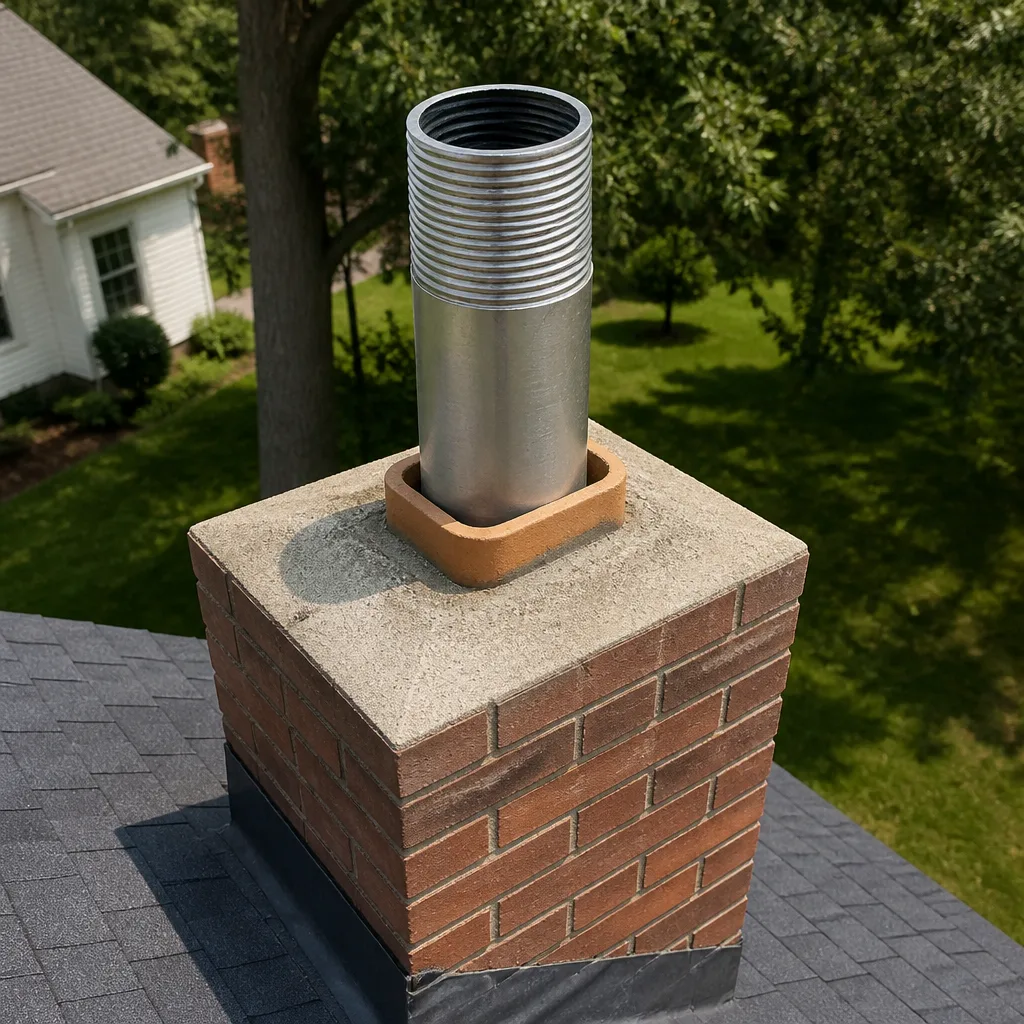
A wood-burning chimney should be swept once a year – and more often if you burn more than about a cord of wood, if you notice a heavy creosote buildup, or if you’ve had a chimney fire. A gas insert needs an annual inspection too, but usually a lighter cleaning. The rule isn’t about the calendar; it’s about the amount of creosote and the amount of burning.
A simple way to think about it:
- Light use (a fire on cold evenings, under a cord a year): an annual sweep and inspection.
- Regular use (a cord or more a season): annual sweep at minimum, and a mid-season check if you’re burning a lot.
- After any chimney fire, however small: a full inspection before lighting another fire. A chimney fire can crack a liner and leave the chimney looking normal.
- After a change in the system (new insert, new cap, relining): a follow-up inspection to confirm the work.
If you’re not sure whether you’re due, the honest answer is that the inspection tells you, not a guess from the couch. We’d rather you ask than guess – and the estimate is free.
Common Mistakes to Avoid
- Skipping the smoke chamber check. Most chimney fire risk hides in the smoke chamber, right above the damper, and a standard flue brush can slide past the glazed creosote that collects there. Insist on a smoke chamber check, not just a flue sweep.
- Treating the checklist as the whole job. Doing the homeowner checks and skipping the annual inspection leaves a failed liner undetected. The checklist catches wear you can see; the camera catches what you can’t.
- Assuming a cap is optional. An uncapped flue takes in water, animals, and debris every season, and it rusts the damper. After Castle Rock’s late-spring snow, an uncapped flue is the one that suffers most.
- Ignoring the crown after hail. A crack that looks cosmetic in June can be a leaking crown by the first thaw. Check the crown and flashing after hail season, every year.
- Burning green or unseasoned wood. Wet wood burns cool and smolders, which is exactly the creosote-forming condition. It also burns less efficiently, so you get less heat for more fuel.
- Hiring a generalist handyman. Chimney work has specific failure points – liner material, smoke chamber glaze, crown pitch – that a generalist who also does gutters and HVAC often misses. A chimney-only specialist checks the right things in the right order.
- Not keeping records. Without a year-over-year file, you can’t tell a stable condition from a worsening one. Keep the report and photos, and you can hold any estimate to an honest comparison.
See the difference
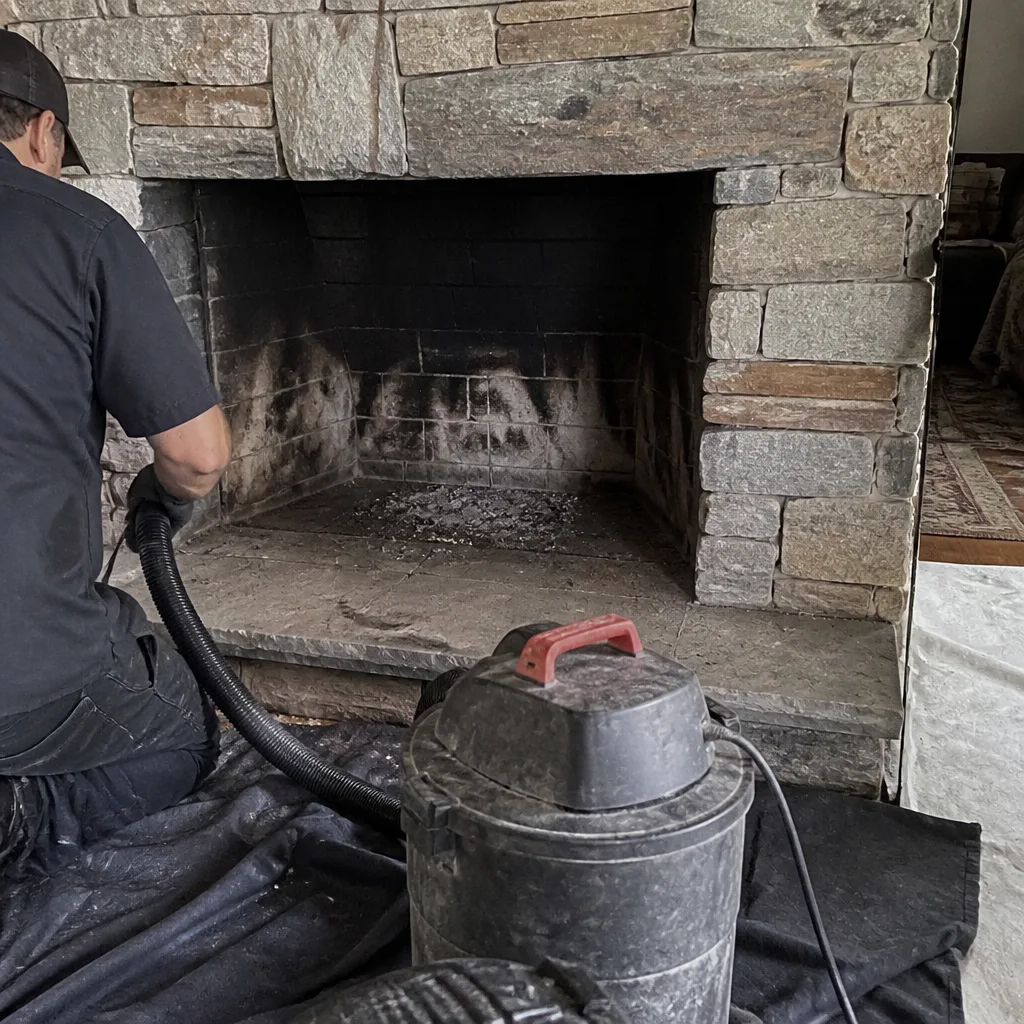 Before
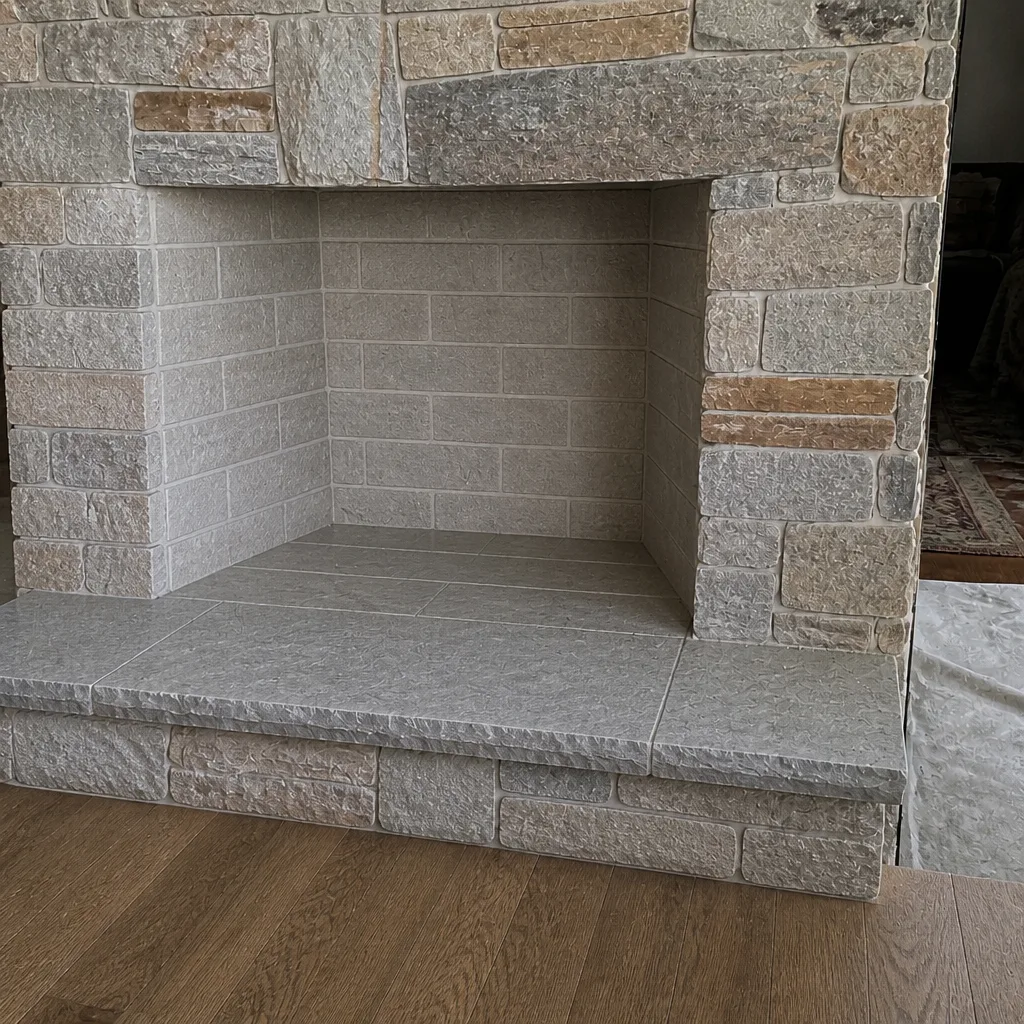 After
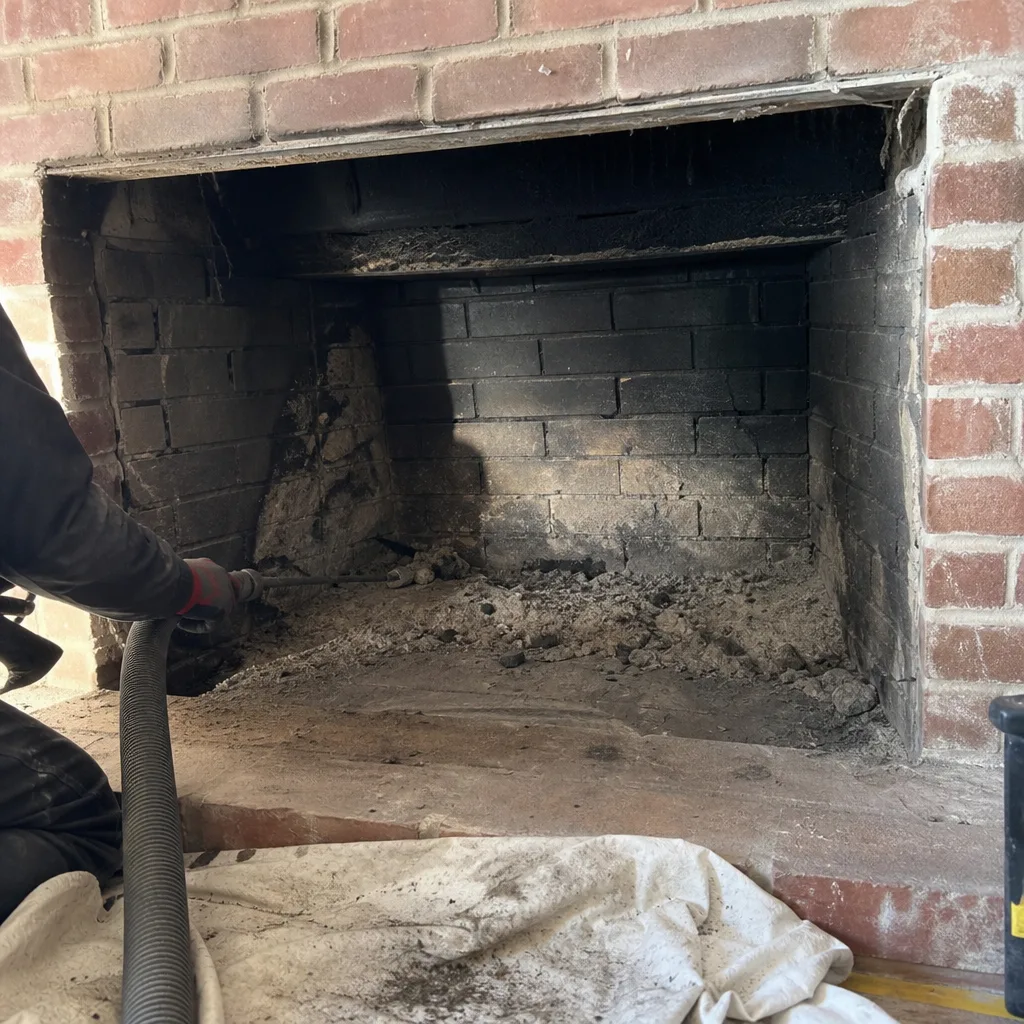 Before
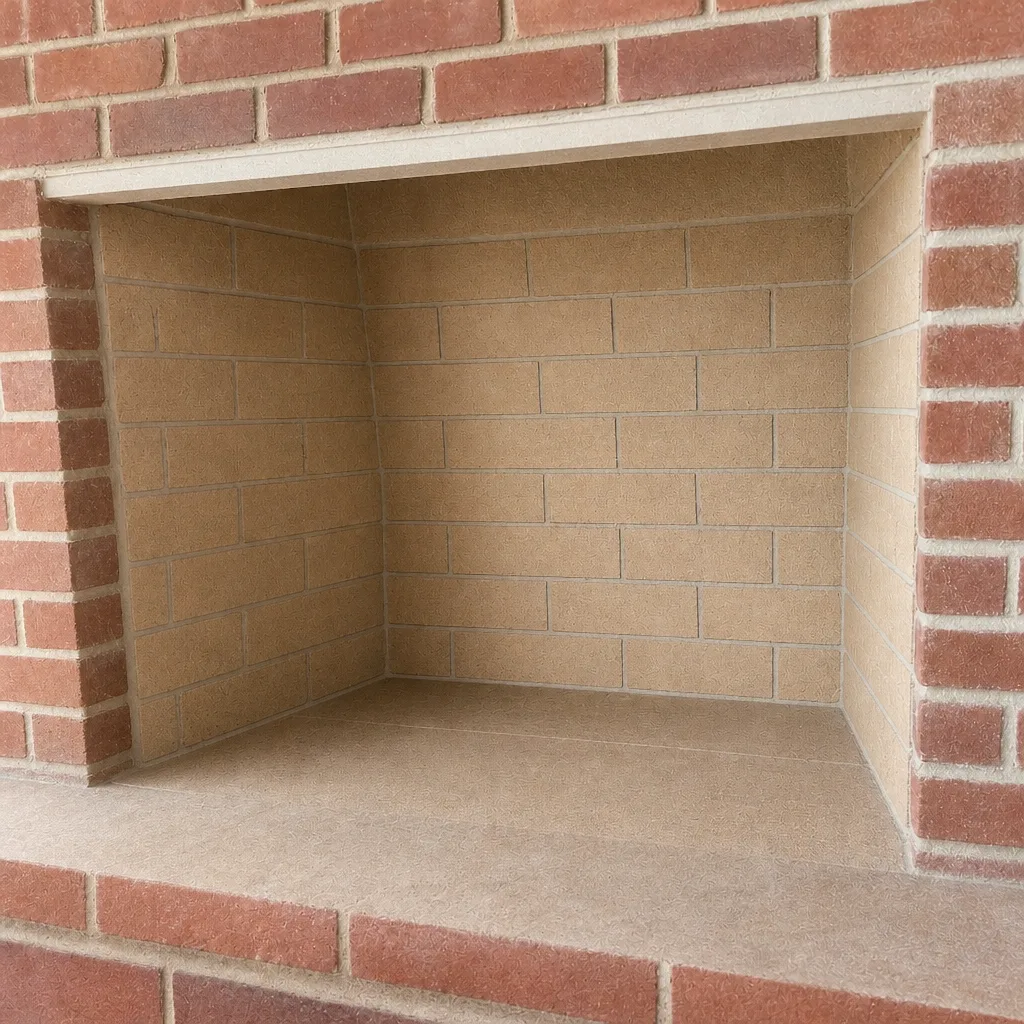 After
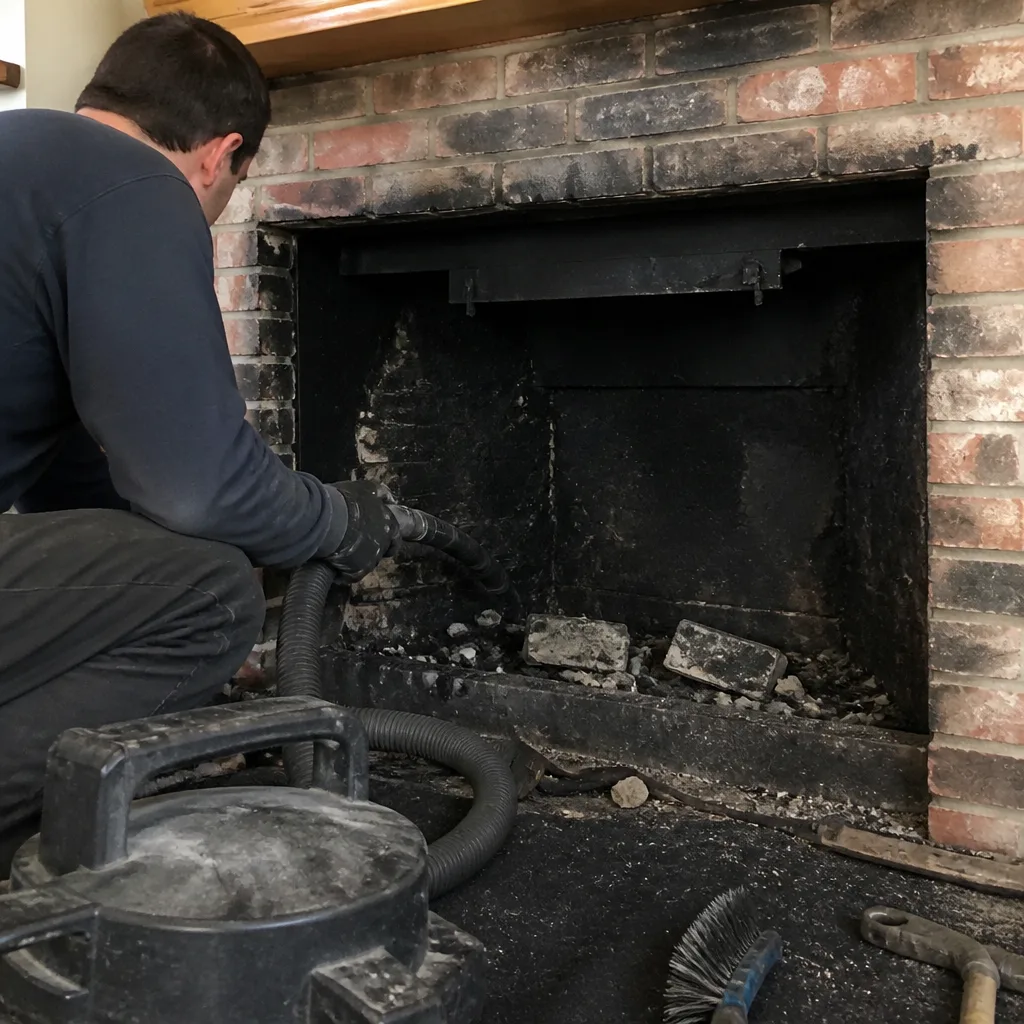 Before
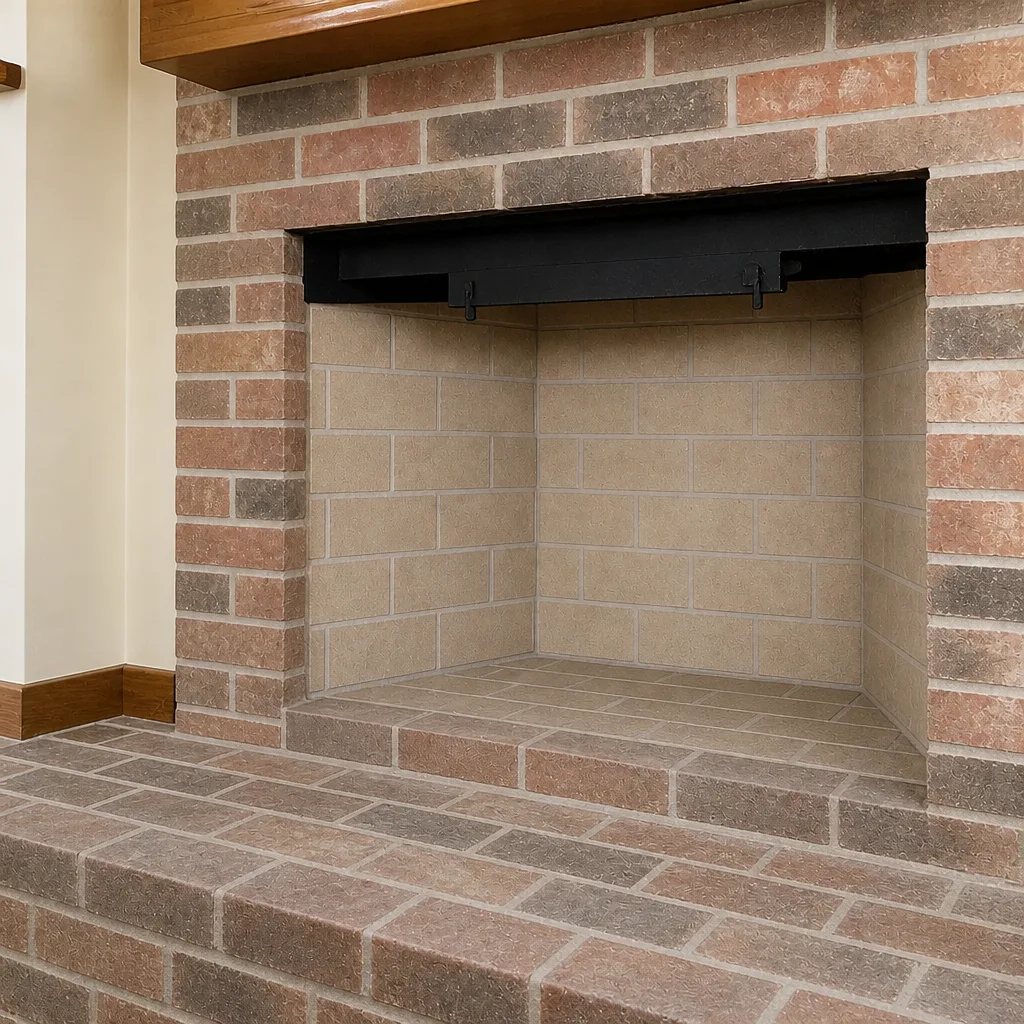 After
When to Call a Professional
Call a professional when the check is beyond a flashlight and your hands: a smoke chamber with glazed creosote, a flue that needs a camera pass, a crown that’s cracked to the flue, a liner that’s failed or suspect, or any gas appliance work. Call before your first fire if you haven’t had a sweep this year, and call after any chimney fire, however small. If you’re not sure whether a problem can wait, a camera inspection will tell you – and it’s the honest way to know. Chimney Sweep Castle Rock offers free estimates in Castle Rock – call (833) 699-7166. We answer 24/7. Fast dispatch from 7am to 7pm, Sunday through Friday.
Frequently Asked Questions
A routine chimney sweep in Castle Rock is priced per job, and the written estimate sets the final price. A standard sweep and inspection can usually be done in one visit, and we don’t recommend work without camera evidence you can see for yourself. Call (833) 699-7166 for an exact quote – estimates are free.
Not always – a liner is replaced when it’s actually failed, cracked, or sized wrong for the appliance, and the camera inspection is what shows that. Many liners that get quoted for replacement can be restored instead; we resurface deteriorating liners with HeatShield rather than defaulting to full demolition. If the liner is sound, we’ll tell you it’s sound. Call (833) 699-7166 and we’ll look at it honestly.
Annually for a wood-burning fireplace, and more often if you burn a lot of wood or see heavy creosote. A gas insert needs an annual inspection as well, though usually a lighter cleaning. When in doubt, the inspection decides. Call (833) 699-7166 for an exact quote – estimates are free.
Creosote accumulates, and the more it builds, the more flammable and the harder it is to remove. The serious risk is a chimney fire, which can crack a liner and leave the chimney looking normal from the outside – and it also puts more moisture damage on a crown that’s already stressed by Castle Rock freeze-thaw cycles. It’s worth one visit a year to close that gap. Call (833) 699-7166 – estimates are free.
You can safely check the damper operation, the firebox for visible cracks, the smoke shelf for debris you can see, and the exterior crown and cap from the ground. You should not reach into the flue or touch the smoke chamber, and anything above the smoke shelf needs a camera. Call (833) 699-7166 and we’ll tell you what a professional check covers.
A sweep removes soot and creosote; an inspection evaluates the whole venting system with a camera and produces a written report. A chimney can pass a sweep and still have a failed liner you can’t see. We do both in one visit so neither gap is left open. Call (833) 699-7166. We answer 24/7. Fast dispatch from 7am to 7pm, Sunday through Friday.
The Bottom Line
A chimney maintenance checklist is only as useful as its calibration to your weather and your house. In Castle Rock, that means timing the checks to the late-spring snow and the hail season, not just the calendar, and it means treating the smoke chamber as the first thing to check after a hot, fast fire. Do the homeowner checks you can safely do, book the annual sweep and camera inspection, and keep the photos year over year so no estimate ever takes you by surprise. From annual fireplace repair to full liner restoration, we handle the full lifecycle of the chimney with professional-grade brands like DuraFlex and HeatShield – the same materials certified professionals specify nationwide. If you have a question, ask. A specialist would rather answer it than have you guess.
Ready to book? Call (833) 699-7166 for a free estimate. We answer 24/7, with fast dispatch from 7am to 7pm, Sunday through Friday.
Written by the team at Chimney Sweep Castle Rock.