
Last updated November 23, 2026
 Sweep & inspection
 Caps & crowns
 Flue relining
 Masonry repair
 Gas fireplace service
Level 1 sweep and inspection to the NFPA 211 annual standard - flue, crown, cap, and flashing checked and photographed
Chimney sweep logs do not sweep chimneys. They loosen some creosote - which then falls where a brush and vacuum still have to collect it.
Chimney Cleaning Warning Signs: A Castle Rock Homeowner’s Reference Guide
Most homeowners wait for a chimney to fail before they think about it. They assume the system is passive – smoke goes up, nothing comes back down, so what’s there to check? That assumption is the one that costs people. A chimney is an active structure that moves heat, moisture, condensation and pressure every time you light a fire, and it wears out. But it wears out loudly, if you know the language. The physical symptoms a Castle Rock chimney shows before failure are specific: chalky brick, white powder on the masonry, rust on the chase cover, an oily smell in July, a fire that suddenly won’t draw. This guide decodes each of those symptoms so you can decide what needs a technician and what can wait. No guessing at intervals, just evidence.
Quick Answer
Chimney warning signs fall into five categories: exterior masonry (spalling brick, white efflorescence, rust staining), interior odor (especially the acrid, oily smell of third-degree creosote), draft and performance changes (smoke rolling into the room, fires that won’t draw), sounds during a fire (popping or cracking), and gas-chimney symptoms homeowners often dismiss because they think gas doesn’t need attention. In Castle Rock’s dry climate and deep winter freeze-thaw cycle, exterior water intrusion and cracked flue tiles are the two most common root problems, and both show visible symptoms long before they become structural. If you can name what you’re looking at, you can act on evidence instead of a calendar.
Styles & brands we work with
- Sweep & inspection
- Caps & crowns
- Flue relining
- Masonry repair
- Gas fireplace service
Table of Contents
- Exterior Warning Signs: Reading the Masonry
- Interior Odors: Normal Fireplace Smell vs. Third-Degree Creosote
- Draft and Performance Changes
- What Popping and Cracking Sounds Really Mean
- Gas Fireplace Chimney Warning Signs Homeowners Miss
- What a Professional Inspection Actually Checks
- How Castle Rock’s Climate Shapes Your Sweep Schedule
Exterior Warning Signs: Reading the Masonry
The outside of your chimney is a diagnostic readout. Each stain and crack points to a different failure mode, and distinguishing between them matters, because they call for different repairs. The three you’ll see most often on Castle Rock chimneys are spalling brick, efflorescence, and rust on the chase cover. Here’s what each one actually means.
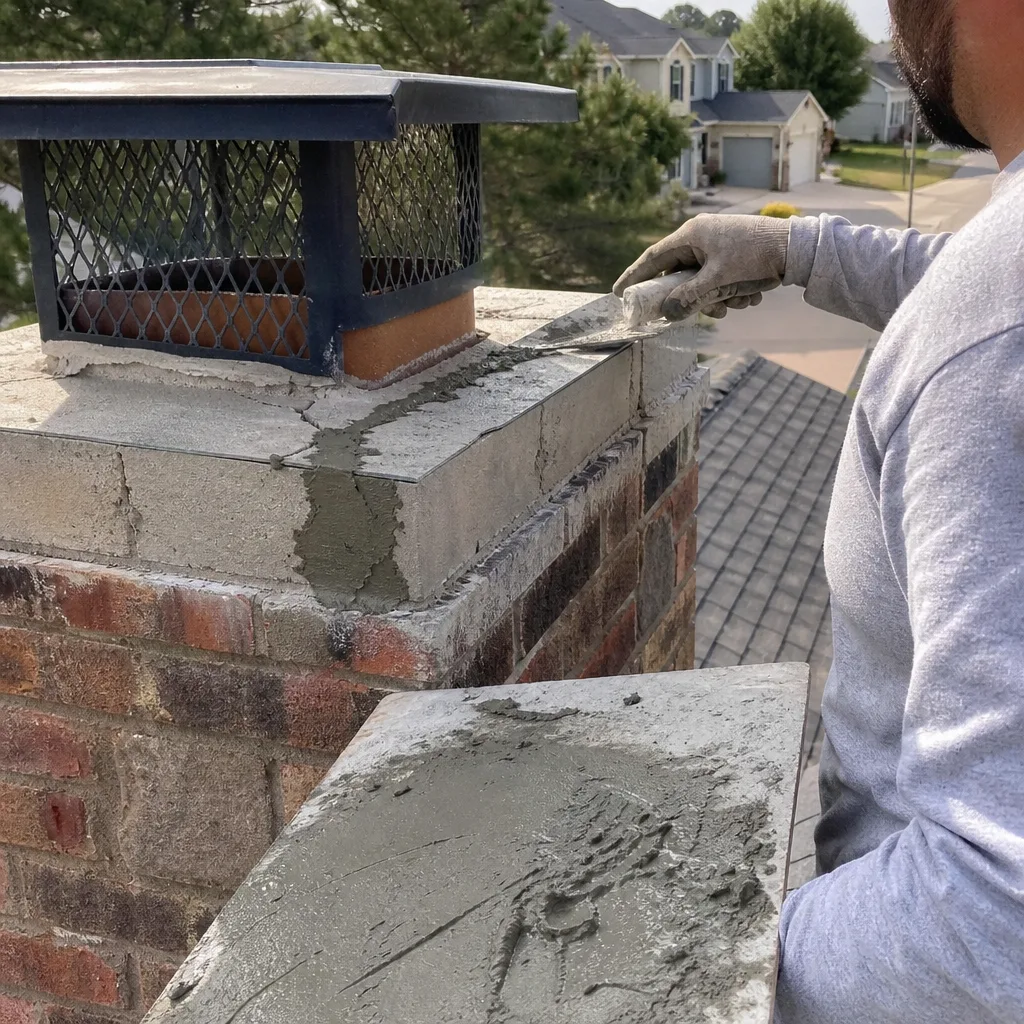
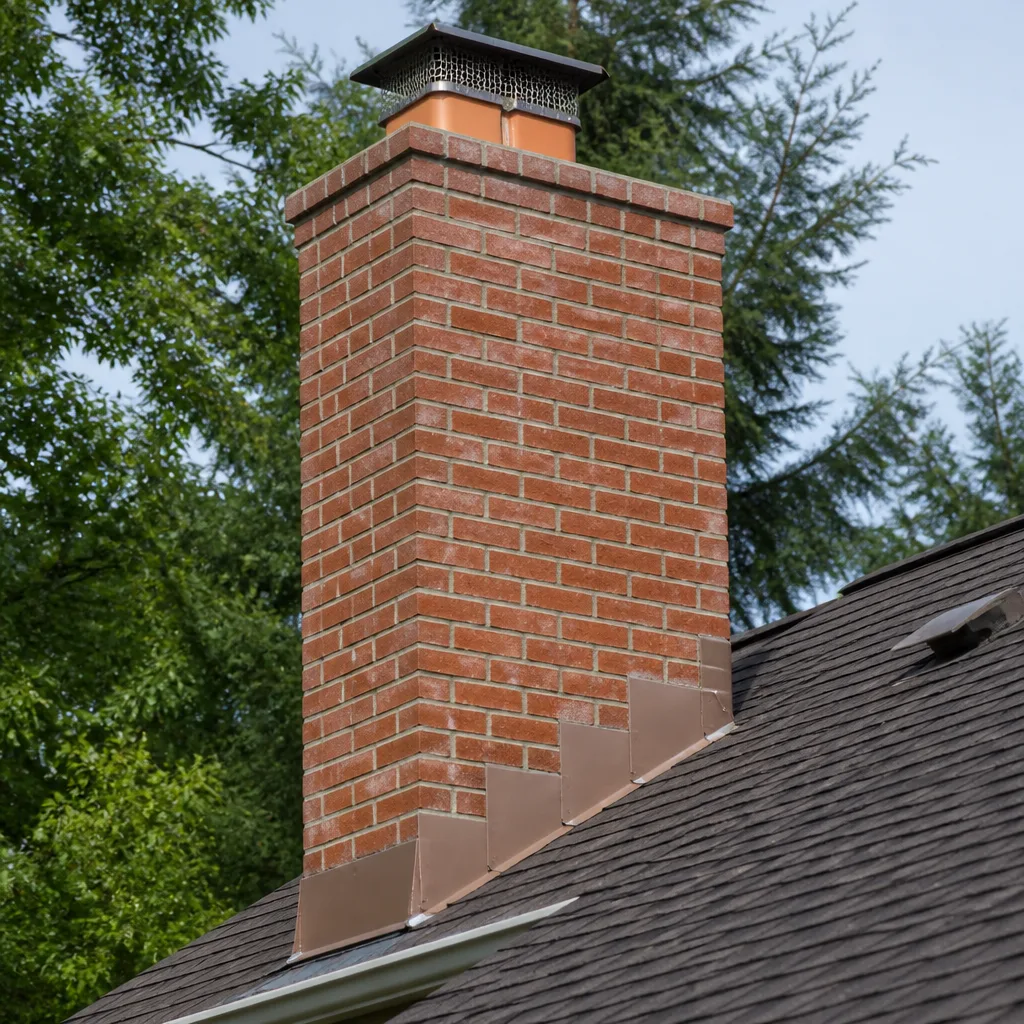
Spalling brick is brick that is flaking, peeling or popping off in layers. It is not cosmetic. Spalling is the signature of freeze-thaw damage: water gets into the brick, freezes, expands, and shears off the face. Castle Rock’s winters swing hard between daytime thaw and overnight freeze, sometimes repeatedly in a single week, which is why spalling is such a common find on masonry chimneys here. Once one course of brick is spalling, the ones above and below are usually already taking on water too.
White efflorescence is a powdery white salt deposit on the masonry surface. It forms when water moves through the brick or mortar and evaporates, leaving mineral salts behind. Efflorescence doesn’t damage the brick by itself, but it is a water-migration report card. If you can see it, water is finding a path into the chimney somewhere above or behind that spot, and you need to find where.
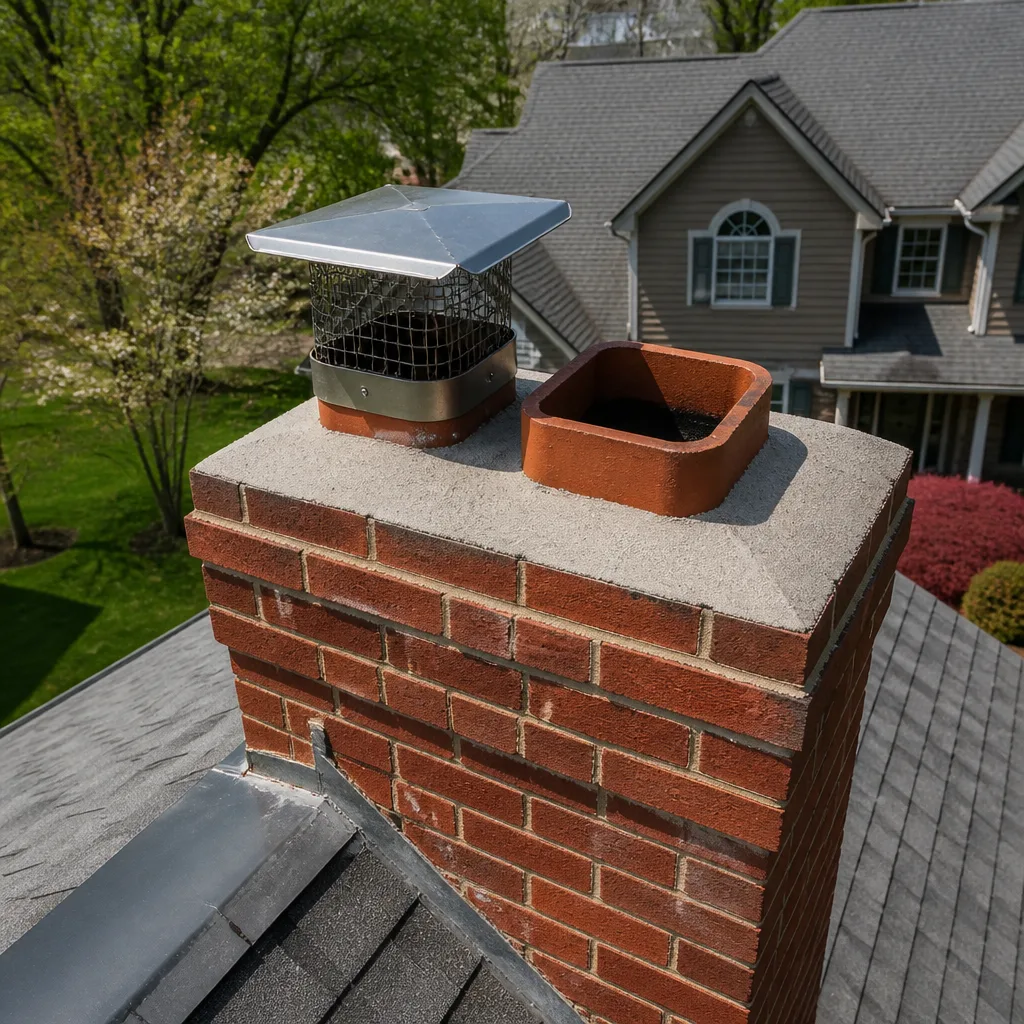
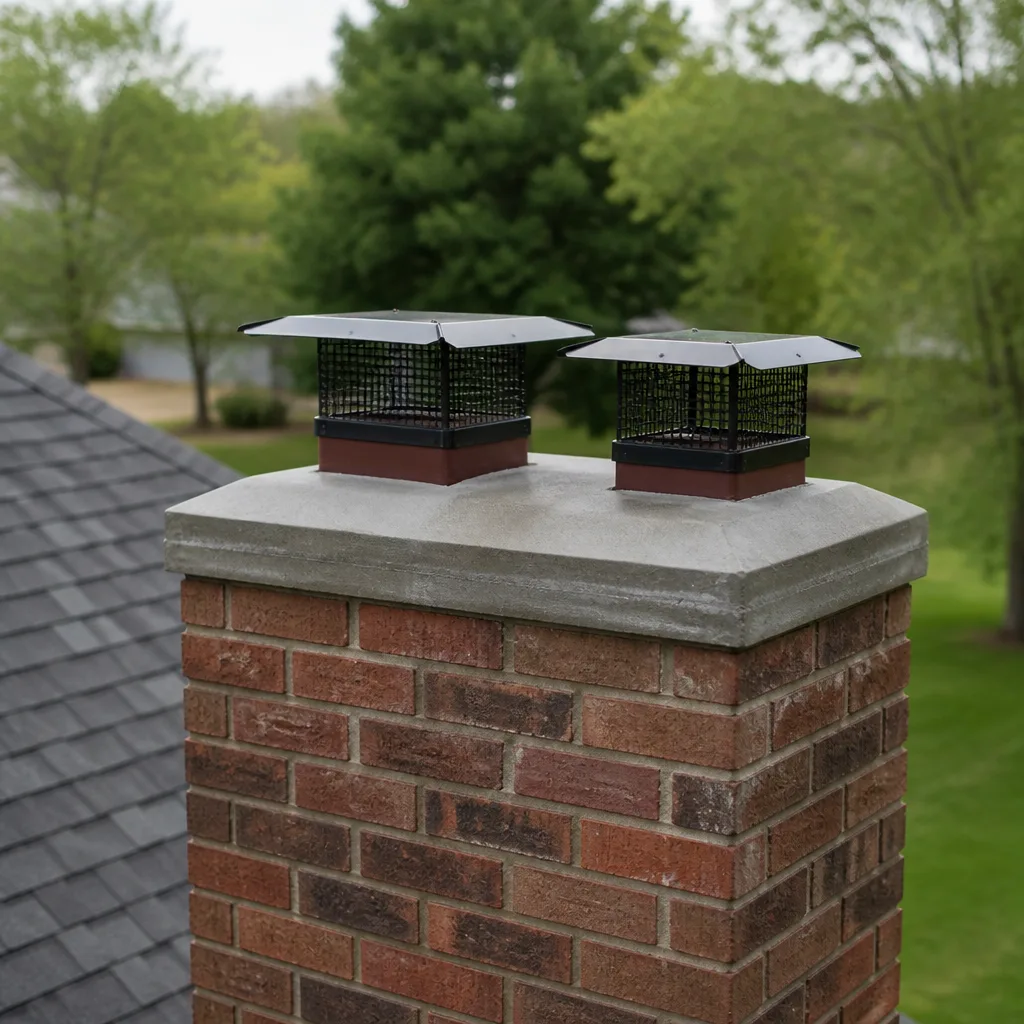
Rust staining on the chase cover (the metal cap and cover over the chimney chase) points to water pooling on or around the metal. Rust on a chase cover usually means the cap isn’t draining, the seam is failing, or the stainless or copper material has been compromised enough that it’s no longer shedding water the way it should. Once a chase cover lets water sit, that moisture drives down into the crown and the flue. Professional-grade replacement caps from makers like Olympia Chimney or Copperfield are built to shed water properly and last, and swapping a failing cover is far less expensive than repairing the structural damage that water causes when it keeps running.
The takeaway: chalky brick means freeze damage, white powder means water movement, rust means the cover is failing. Any of the three is worth an exam before the next fire season. If you’ve got visible damage on the crown as well, our chimney repair team can trace it to the source rather than just patching the surface.
Interior Odors: Normal Fireplace Smell vs. Third-Degree Creosote
Every fireplace has a smell. Wood ash, a bit of char, the familiar campfire note that lives in the firebox. That is normal, especially on a warm day when the firebox warms up and releases built-up odor. What you should never smell is the acrid, oily, almost tar-like smell that fills a room in summer with no fire burning. That smell is the signature of glazed third-degree creosote, and it is a warning that the chimney needs sweeping before it’s used again.
Creosote forms in three stages. First-degree creosote is a light, flaky soot that brushes off easily. Second-degree is a crusty, sometimes wrinkled deposit that takes actual work from a brush. Third-degree is glazed, hard and often shiny, and it forms when the fire is burning too cool or too smoky – the byproducts condense on the flue wall and bake into a tar-like glaze. Third-degree creosote is the most flammable form, and a chimney with this buildup is the scenario that produces chimney fires. That’s why the oily smell matters: it means the glaze is thick enough that it’s off-gassing into the house even when the chimney is cold.
Decoding the difference:
- Normal fireplace smell: faint ash or smoky wood notes, no oily or tar edge, only in the firebox or immediately after a fire.
- Second-degree creosote smell: a sharper smoky odor, usually after the fire is out, present near the damper or in the room. Warrants a sweep soon.
- Third-degree creosote smell: an acrid, oily, tar-like smell that fills a room with no fire burning, especially in warm months. Sweep before the next fire.
If you’re smelling the third category, don’t light a fire until the chimney has been swept and inspected. Our chimney sweep specialists work only on chimneys, which means they can tell you with certainty what stage of creosote they’re dealing with and what it means for your next fire season.
Draft and Performance Changes
Draft is the chimney’s whole job. A working chimney pulls smoke and combustion gases up and out because warm air rises and the flue is sized to that flow. When draft changes, something has changed in the system, and the firebox is telling you what.
The most common Castle Rock draft complaints map to specific causes:
- Smoke rolling into the room on startup: usually a cold flue, but if it happens every time, the flue is likely undersized for the firebox opening or has an obstruction such as a nest or a broken flue tile fragment.
- A fire that won’t draw once it’s going: often a damaged or offset flue liner that disrupts smooth gas flow, or a flue tile that has cracked and collapsed inward, narrowing the path.
- Backdrafting (smoke or odor pushed back into the room): often a pressure imbalance in the house – kitchen or bath exhaust fans, a tight sealed house, or a chimney that’s too short for the roof line. In Castle Rock, wind on certain roof aspects can worsen it.
- Smoke smell lingering after the fire is out: usually draft is stalling as the flue cools, or there’s a gap between the flue and the firebox face (or a damaged damper) letting gases slip past into the room.
Here’s the rule to remember: if the fire worked fine for years and then started misbehaving, that’s not a bad batch of wood. That’s a change in the flue. It could be a collapsed tile, an offset liner that’s cracked, or a cap that’s letting debris or a bird’s nest in. Each of those shows up in an inspection, and each one is repairable – but smoke entering a room is a sign that draft is compromised, and compromised draft means combustion byproducts aren’t all going up. If your fires are misbehaving, book an inspection before your next burn. A cracked flue tile is also a documented risk factor for carbon monoxide entering a home, which is one more reason not to shrug at a draft problem.
What Popping and Cracking Sounds Really Mean
Chimneys make noise. Some of it is benign, some of it is not, and the difference comes down to when it happens and what it sounds like.
Popping or cracking during a fire is more concerning than most homeowners realize. A faint pop from a fresh log is just moisture in the wood. A sharp popping, cracking or rumbling from the flue itself, especially if it sounds like it’s coming from the chimney and not the firebox, is the classic sound of a small chimney fire. A chimney fire can burn hot and loud, or it can smolder quietly, but the popping is the creosote igniting. If you hear that, treat it like a fire event: get everyone out if it sounds serious, call the fire department if you’re unsure, and do not use the chimney again until it’s been inspected. Chimney fires often damage the flue liner – cracking tiles or warping a metal liner – and the damage is not always visible from the firebox.
Settling or ticking sounds after a fire is out are usually thermal contraction – metal or masonry cooling down. That’s normal and not a warning sign by itself. What’s worth noting is a new sound that wasn’t there last season, or a rumble from the chimney when the furnace or water heater vent is running, which can indicate a liner that’s failing to carry combustion products.
One practical check: after a fire has fully cooled, look up the flue from the firebox with a flashlight. If you see cracked tiles, shiny glazed deposits, or sections where the flue looks offset or missing, stop and call a technician. Do not attempt to inspect or clean a flue from a ladder on your roof – roof work on a chimney is real fall risk, and a flue that’s already cracked can be further damaged by a homeowner brush. Our Chimney Sweep Castle Rock team uses proper ladders, camera equipment and knows what to look for without climbing where it’s unsafe to be.
Gas Fireplace Chimney Warning Signs Homeowners Miss
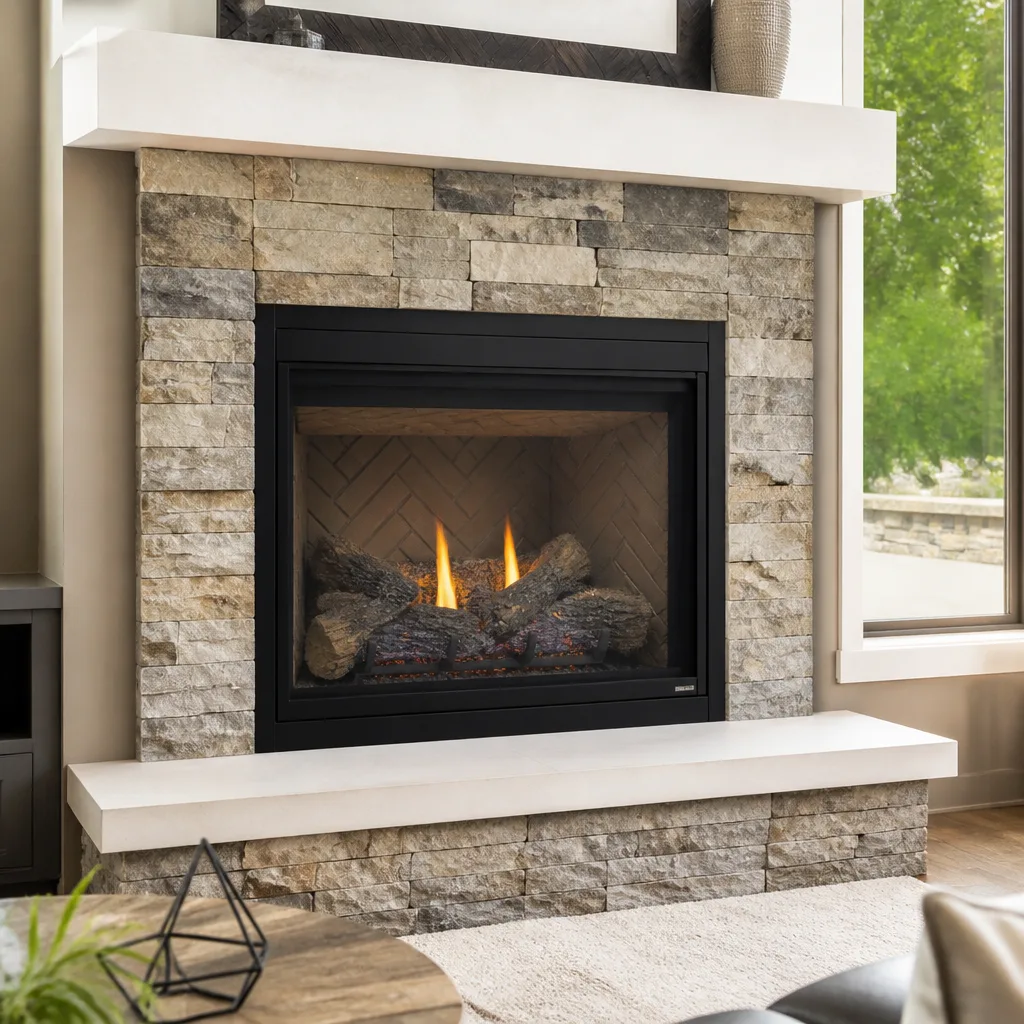
Gas fireplaces feel safer to ignore. They don’t burn wood, they don’t produce creosote, and there’s no visible soot. All true, and all beside the point. A gas fireplace still has a chimney or vent, and that chimney still needs inspection and service. Carbon monoxide doesn’t care what fuel produced it. The combustion products from a gas appliance still have to leave the house, and a blocked, cracked, or disconnected vent can put them in the room.
Gas chimney warning signs to watch for:
- Soot on the logs or glass: a properly adjusted gas appliance burns clean. Soot streaks mean the fuel/air mix has drifted or the vent is not drafting properly. That’s a service call, not a “clean it and see” problem.
- A yellow or orange flame instead of blue: an inconsistent flame often means incomplete combustion or a blocked vent. This is a carbon monoxide risk.
- Lingering smell or headache after using the fireplace: a persistent smell of gas, or headaches and nausea around a fireplace you’ve been using, should stop use immediately and get an inspection.
- A colder house or a draft pulling toward the fireplace: a vent that’s blocked or disconnected can pull room air up the flue even when the fireplace is off, wasting heat and pulling cold air in.
- Any bird, debris or water in the vent: gas vents are no less vulnerable to blockages than wood flues, and animals nest in both.
In our experience, the pattern we see over and over is a homeowner who converted an old wood fireplace to a gas insert years ago, then assumed the chimney was now “someone else’s problem.” The chimney wasn’t retired when the insert went in. If you have a gas appliance and it’s been more than a year since anyone has looked up the flue, schedule an inspection. It’s a short exam and it’s how you catch vent problems before they become an issue. A chimney inspection is one of the few home-safety checks that costs you almost nothing in time and prevents a real hazard.
What a Professional Inspection Actually Checks
An inspection is not a passing glance up a chimney. A thorough one covers specific components, and knowing what’s on the list helps you judge whether a technician gave you a real answer. Here’s the checklist a proper inspection covers:
- Firebox and damper: checking for cracked firebrick, mortar joint failure, and whether the damper opens, closes and seals.
- Smoke chamber and flue entry: looking for gaps between the flue tile and the smoke chamber, debris accumulation and any offset or damaged tile at the transition.
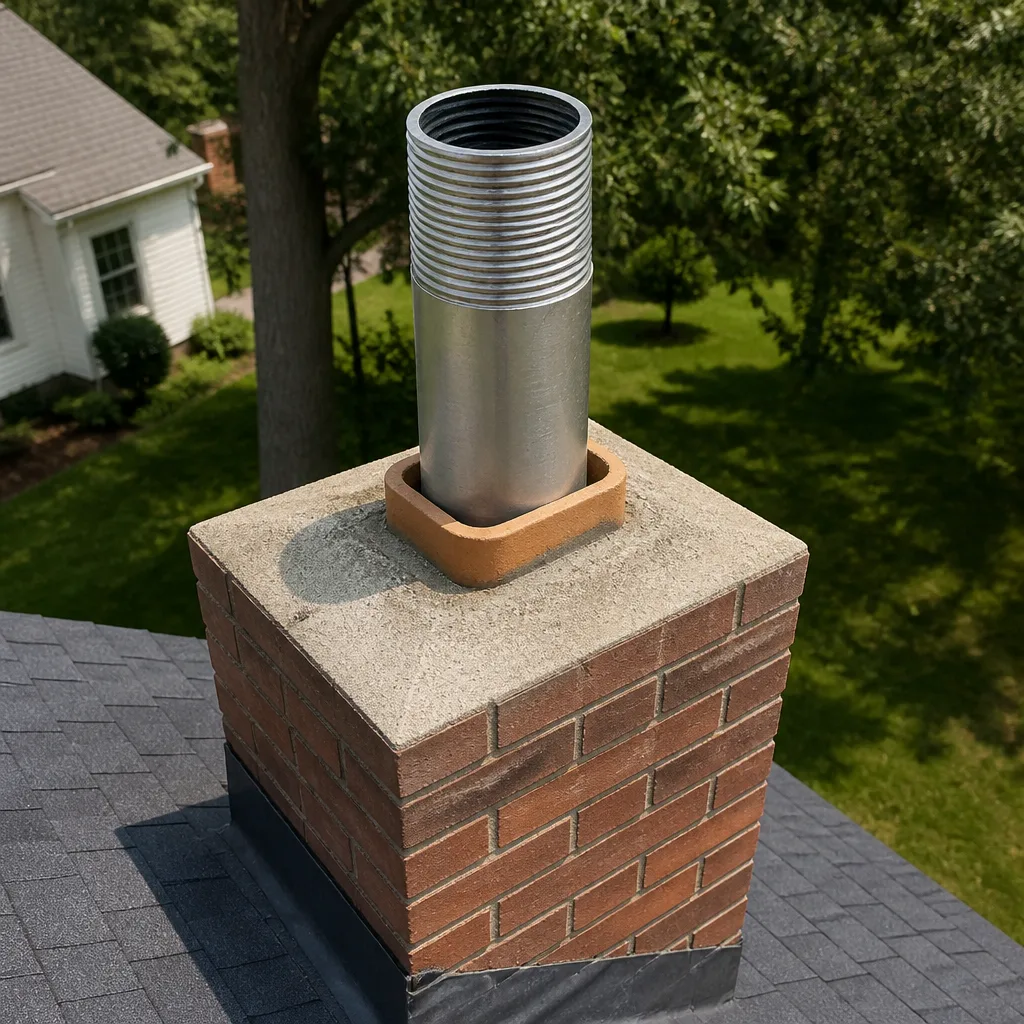
- Flue liner: confirming the liner is intact and correctly sized. If it’s clay tile, inspecting for cracks, spalling and shifted joints; if it’s a metal liner, checking for warping or seam failure.
- Chimney exterior and crown: examining brick, mortar, crown integrity and the cap, and checking for water paths.
- Cap and chase cover: confirming the cap is sized to the flue and shedding water, and the chase cover has no seam or drainage failure.
- Adjacent components: the roof flashing and the chimney chase where it meets the roofline, since most water leaks start there.
When the inspection is done, a real technician can point to a photo or a camera feed and say “this is what we found, and this is what it means.” If someone tells you the flue is beyond repair and you can’t see why, ask to see the evidence. A damaged liner is a real thing – but the test of a good inspection is whether you understand the finding, not whether you take it on faith.
This is one of the reasons we work exclusively with professional chimney brands – DuraFlex for flexible relining in complex or offset chimneys, HeatShield for resurfacing liners that are deteriorating but structurally sound, Famco for component work, and Olympia Chimney and Copperfield for caps and crowns. These are the same materials certified chimney professionals specify nationwide, and they’re the reason we can restore a flue with HeatShield instead of demolishing it. A general contractor who does chimney work as a side job usually can’t do that.
How Castle Rock’s Climate Shapes Your Sweep Schedule
The generic advice of “sweep once a year” is the right starting point, but Castle Rock’s climate makes it worth examining. This is a high-desert town at about 6,200 feet, with cold winters, dry summers, and a freeze-thaw cycle that beats up masonry. That has two effects on chimney care.
First, the heating season is long here, which means more burn hours per year than in a milder climate. More burn hours means faster creosote accumulation. A Castle Rock household that burns regularly through a real winter can build up more deposit in a season than the household in a warmer place that burns a few weeks a year. If you burn wood all winter, an annual sweep is the floor, not the ceiling; if the chimney is heavily loaded, an inspection may find it needs it more often.
Second, the freeze-thaw cycle is the reason water intrusion quietly causes so much damage on chimneys in this area. Water gets into a hairline crack in the crown or masonry, freezes overnight, expands, and widens the crack. Repeat that dozens of times over a winter and a small crack becomes a repair. The crown is usually the front line. A proper crown – poured to shed water away from the chimney and sealed – is one of the best investments a Castle Rock homeowner can make, because it stops a lot of the spalling and efflorescence from ever starting. A quality cap from a maker like Copperfield or Olympia Chimney does the same job at the top.
Third, the pattern of weather here means water problems often show up in spring and early summer, after the freeze-thaw damage has been done. If you’re looking at your chimney in May and seeing chalky brick or white powder that wasn’t there last fall, that’s the winter’s report. Book an inspection before the weather turns again. The timing that keeps a chimney healthy in Castle Rock is seasonal: inspect and repair in the warm months, sweep before the first fire of the season, and let the evidence set the schedule rather than a guess.
Common Mistakes to Avoid
- Treating a chimney like a set-and-forget appliance. It’s a structural component that wears, and the warning signs are always visible before a failure. If you haven’t looked at the exterior or smelled the firebox since last season, you don’t know what’s going on.
- Assuming a gas fireplace doesn’t need service. Gas still produces combustion products, still uses a vent, and still needs a yearly look. The absence of creosote doesn’t make a vent problem less dangerous.
- Cleaning a flue yourself from the roof. Roof work on a chimney is a fall risk, and a homeowner brush on a cracked tile can cause more damage. Those are jobs for a trained technician with the right access.
- Putting off a sweep because the fire “still burns fine.” A fire can burn fine with a dangerous glaze of creosote in the flue. Draft and appearance don’t measure buildup.
- Ignoring an oil or tar smell in summer. Third-degree creosote off-gassing is a sign the flue is heavily loaded. That smell is the chimney asking for a sweep before your next burn.
- Assuming a generalist can handle liner work. Relining an offset or complex chimney, or resurfacing a deteriorating liner, is specialist work. Ask whether the technician works exclusively on chimneys and what brands they specify.
- Skipping the crown and cap because “the chimney looks fine.” In Castle Rock’s freeze-thaw climate, water intrusion is the most common root cause of chimney damage. The crown and cap are what keep water out, and they’re cheap to fix compared to the damage they prevent.
See the difference
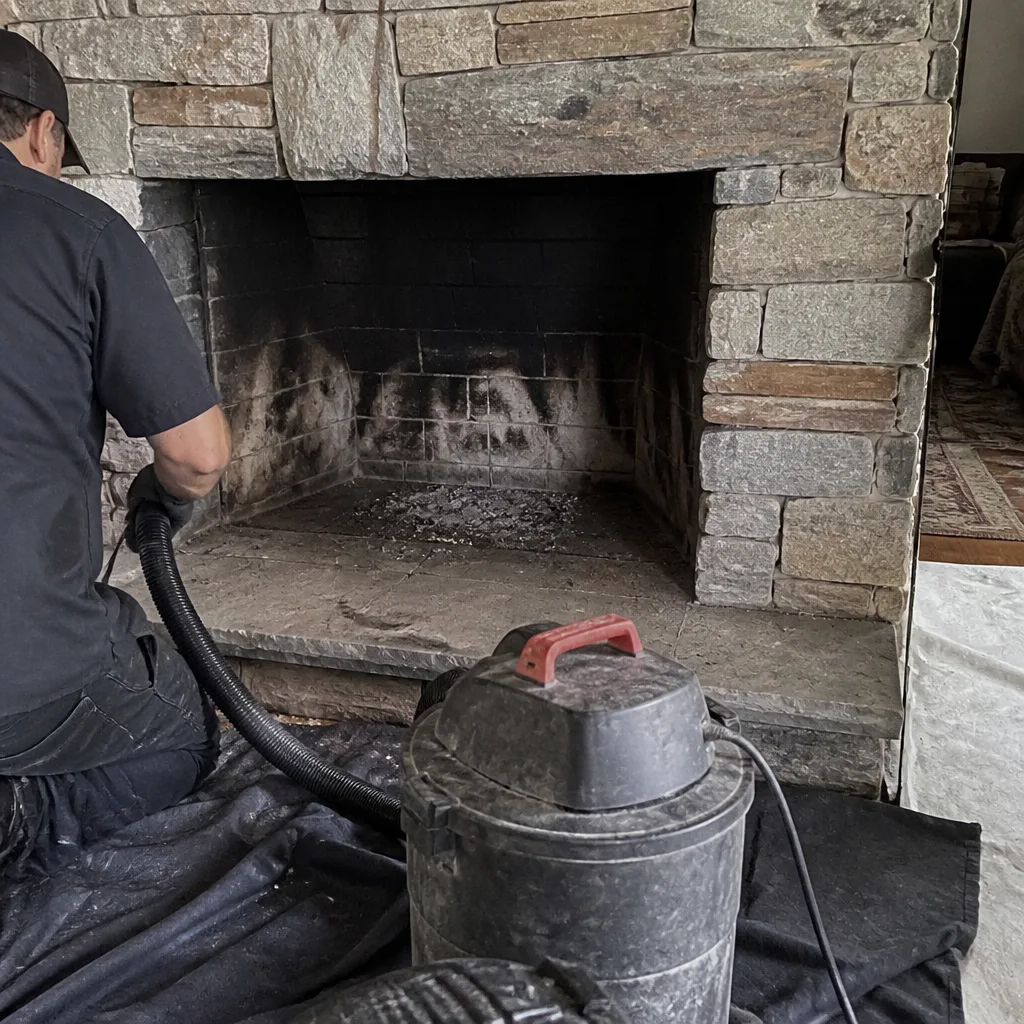 Before
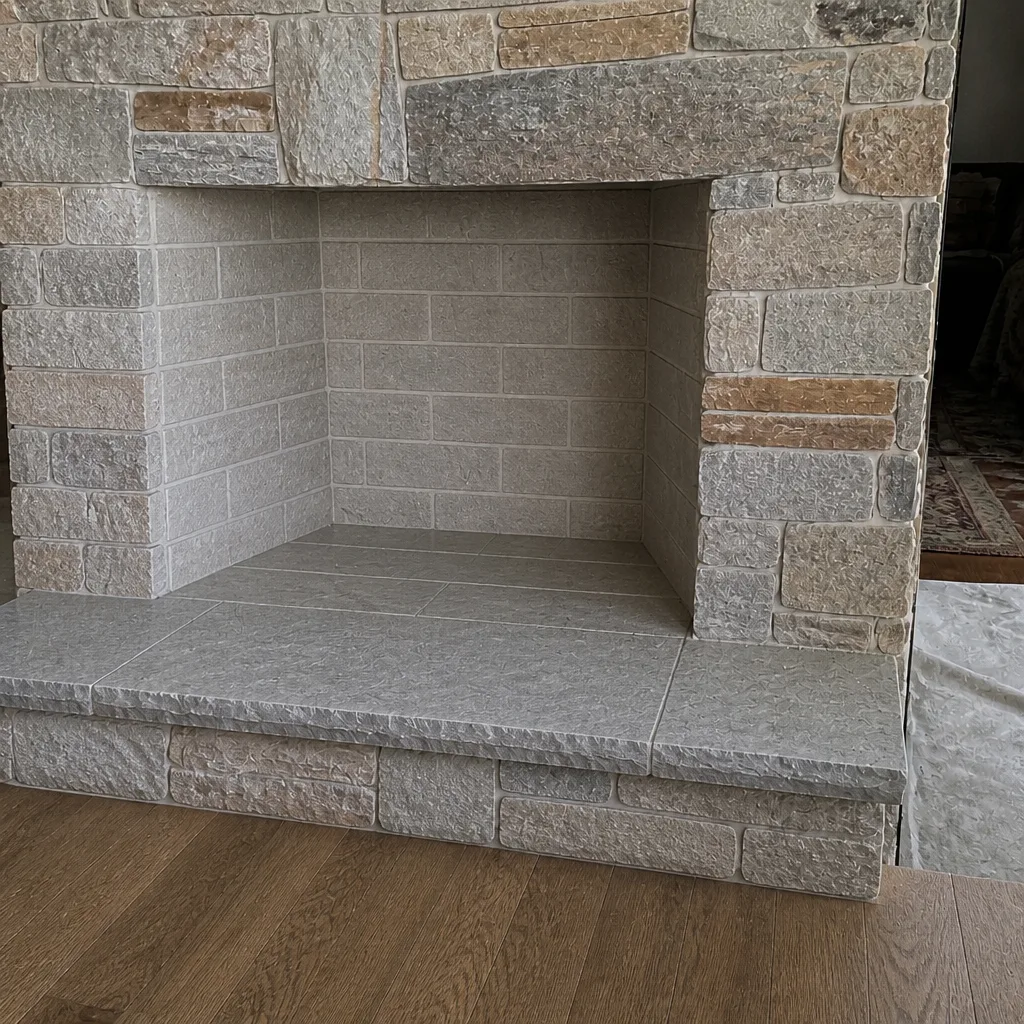 After
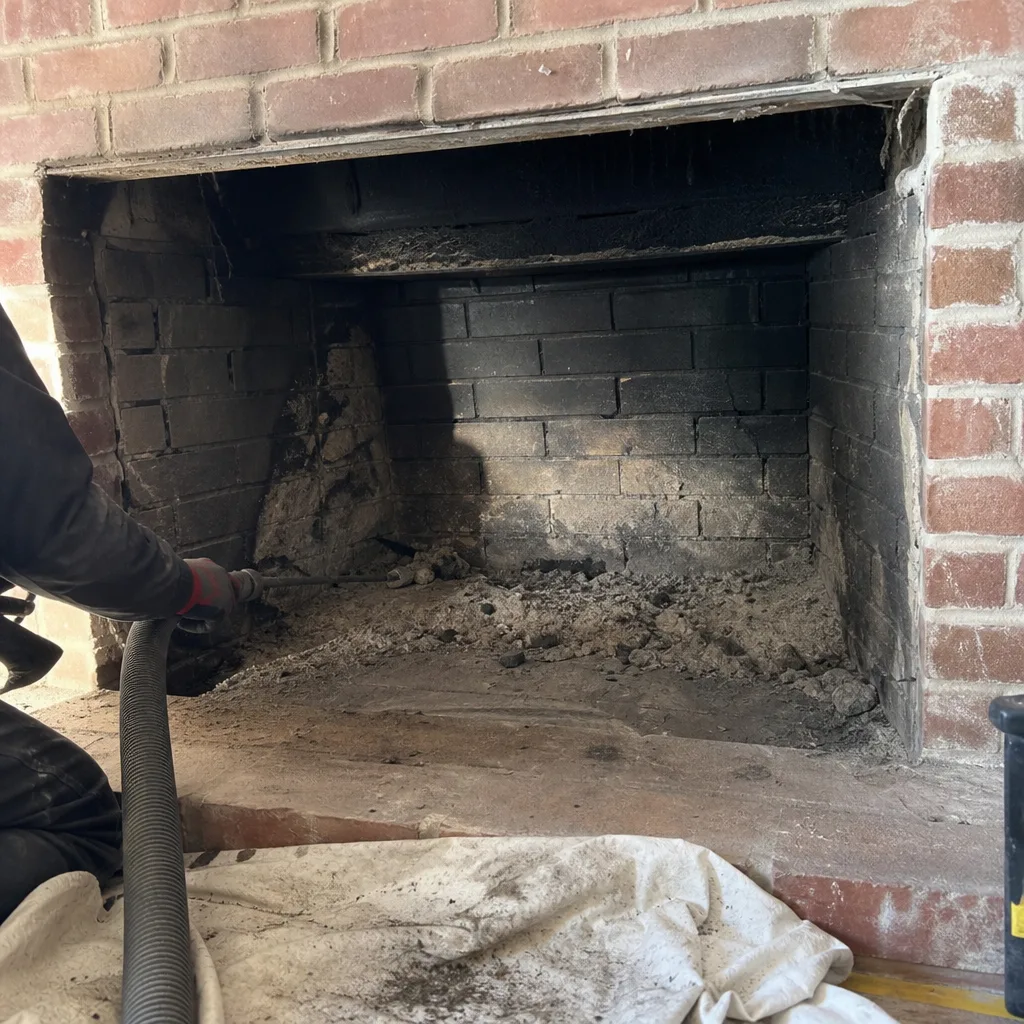 Before
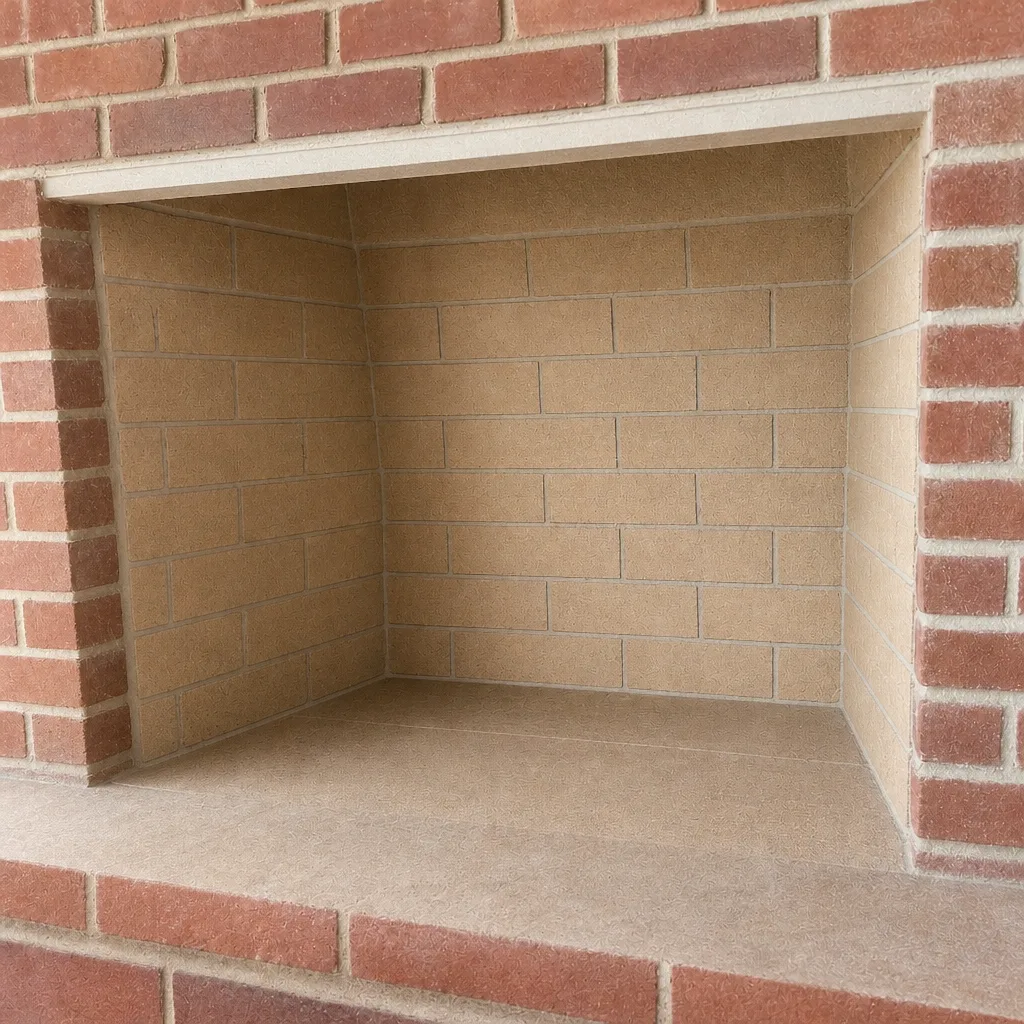 After
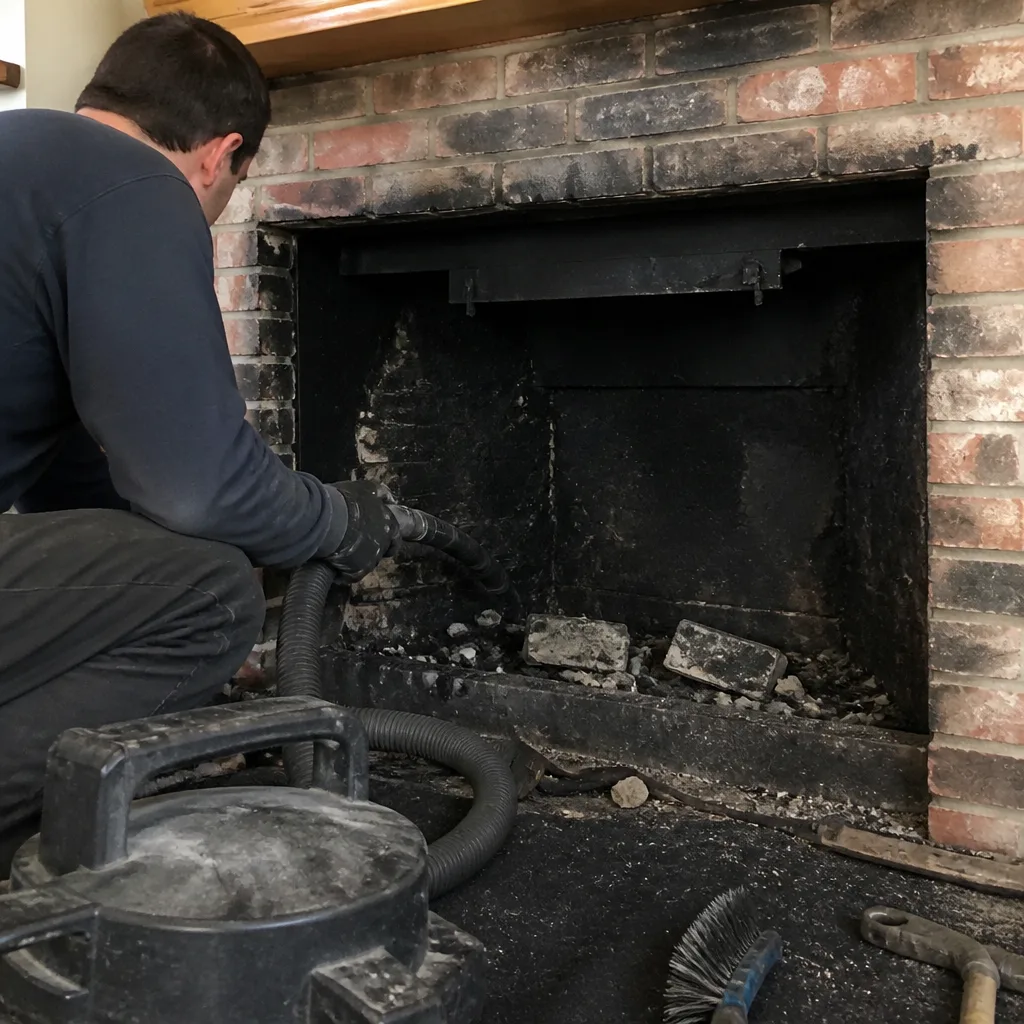 Before
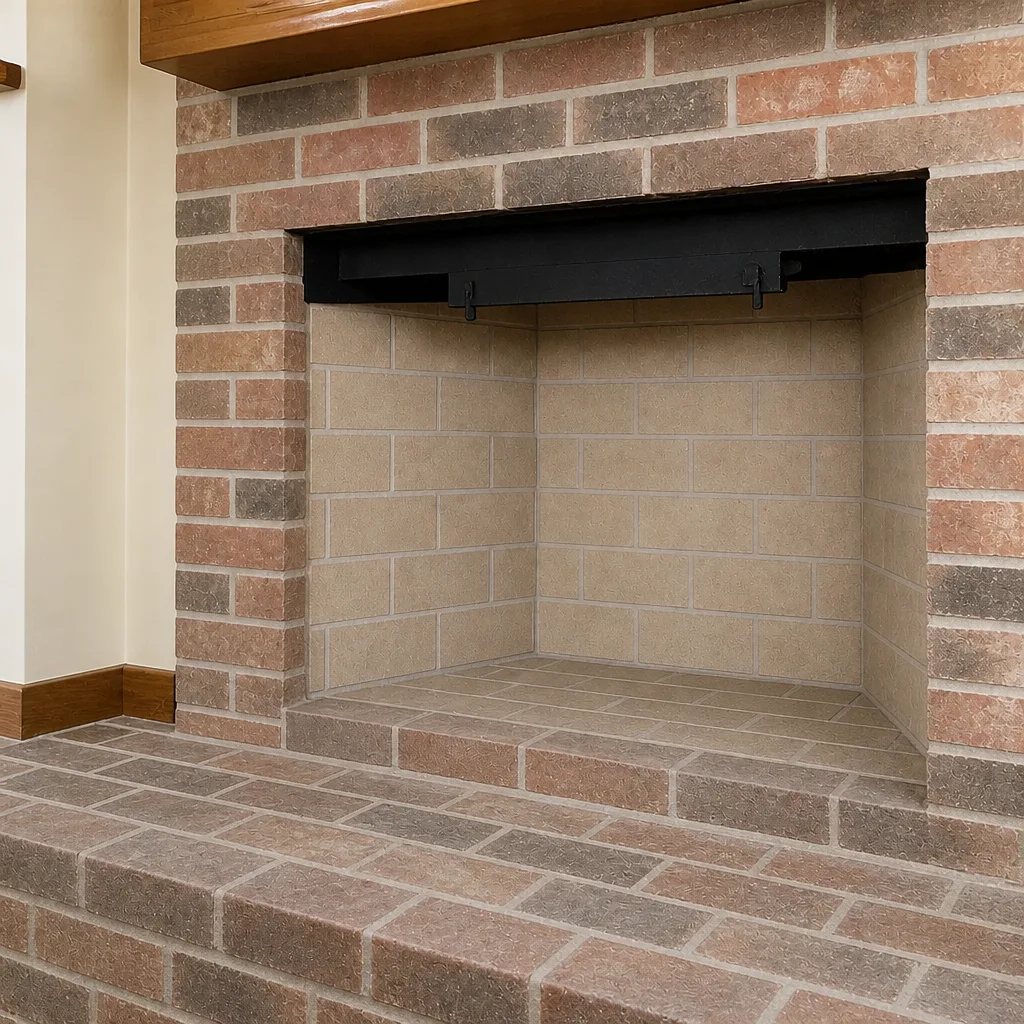 After
When to Call a Professional
Some chimney conditions are waitable; others aren’t. Call a technician the same day if you hear popping or cracking during a fire, if smoke rolls into the room every time you burn, if you smell gas or exhaust around a fireplace, if soot is streaking your gas appliance glass, or if you see visible damage to the flue when you look up from the firebox. Call before the next fire season if you see spalling brick, white efflorescence, rust on the chase cover, or if you smell that oily third-degree creosote smell. Don’t burn again until you’ve been checked. For routine annual sweeps and inspections, book them in the warm months so repairs can happen before winter. Chimney Sweep Castle Rock offers free estimates in Castle Rock. Our technicians have up to 9 years of experience and work exclusively on chimneys. Call (833) 699-7166 to book a sweep or inspection.
Frequently Asked Questions
Once a year is the baseline, but Castle Rock’s long heating season means more burn hours than a milder climate, so a household that burns through the winter may need it more often. A safer rule is to sweep when there’s an eighth of an inch of buildup or any third-degree creosote glaze present. If you’re not sure, an inspection will tell you. Call (833) 699-7166 for a free estimate – the inspection will show you what’s actually in the flue.
Yes, if it’s the acrid, oily, tar-like smell that appears with no fire burning – especially in summer – that’s typically third-degree creosote off-gassing, and you should sweep before the next fire. A faint ash smell from the firebox is normal. The oily smell is not. Call (833) 699-7166 to get it swept and inspected before you burn.
Yes. Gas appliances still use a vent, still produce carbon monoxide, and still need an annual inspection. The warning signs often go unnoticed: soot on the glass, a yellow flame, a draft pulling toward the fireplace, or a lingering smell. Call (833) 699-7166 for an inspection – it’s quick and it catches vent problems before they matter.
A sharp popping or rumbling coming from the flue during a fire usually indicates a chimney fire igniting creosote, or a flue that’s actively failing. Stop using the chimney and have it inspected before you burn again. Call (833) 699-7166 – we answer 24/7. If you’re unsure whether it’s serious, get everyone out and call the fire department.
White powdery deposits are usually efflorescence, which means water is moving through the masonry and evaporating on the surface. It doesn’t damage the brick by itself, but it’s a sign water is getting in – often through the crown, the flashing, or a failing cap. In Castle Rock’s freeze-thaw climate, that moisture leads to spalling and structural repairs if it’s not addressed. An inspection will locate the source. Call (833) 699-7166 for a free estimate.
Yes. A cracked or damaged flue liner can let combustion gases leak out of the flue and into the home’s structure or living space instead of up and out. That’s why draft problems and a damaged liner are worth taking seriously, and why we recommend an inspection before you burn when you see visible signs. If you’ve got a crack in the flue, don’t burn until it’s been evaluated. Call (833) 699-7166.
A sweep is the cleaning – removing soot and creosote from the flue and firebox. An inspection is the evaluation – checking the liner, crown, cap, damper, firebox and exterior for damage, blockages and water paths. They’re often done together, but they answer different questions. If something looks wrong on your chimney, start with an inspection. Call (833) 699-7166 to book either.
Castle Rock’s freeze-thaw cycle does that – water gets into small cracks in the crown or masonry, freezes, expands and widens them, then the cycle repeats. Chalky, flaking brick, white deposits and rust on the chase cover are all winter’s report card. Spring is the right time to inspect and repair so the damage doesn’t compound next winter. Call (833) 699-7166 for a free estimate.
The Bottom Line
A chimney gives you evidence before it fails. Spalling brick says freeze damage; white efflorescence says water is moving through; rust on the chase cover says the cap is failing; an oily summer smell says third-degree creosote; a fire that won’t draw says the flue is compromised; popping during a fire says treat it as an emergency; a gas fireplace with soot on the glass says have it looked at. The Castle Rock freeze-thaw cycle speeds up the water-related problems and the long heating season speeds up creosote buildup, which is why evidence beats guesswork. If you see a warning sign, don’t wait for the next season. Our technicians have up to 9 years of experience and work only on chimneys.
Our fireplace repair team can trace a symptom to its source, and our sweep, inspection, and cap and crown work are all under one roof. We use professional-grade materials from brands like DuraFlex, HeatShield, Olympia Chimney, Famco and Copperfield – the same materials certified chimney professionals specify nationwide. The written estimate sets the final price, and if a repair can safely wait, we’ll tell you that too.
Call (833) 699-7166 to book a free estimate. We answer 24/7. Fast dispatch from 7am to 7pm, Sunday through Friday, closed Saturday.
Written by the team at Chimney Sweep Castle Rock.