
Last updated November 23, 2026
 Sweep & inspection
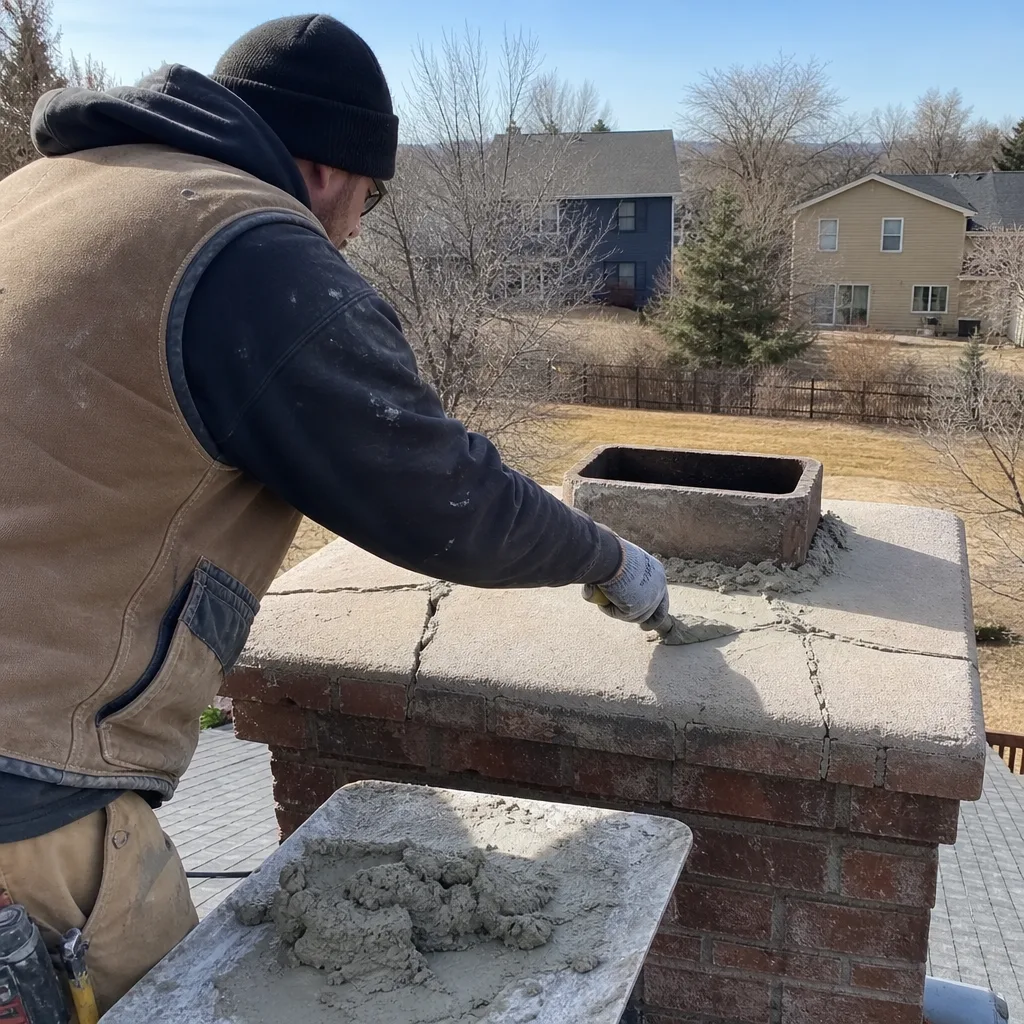
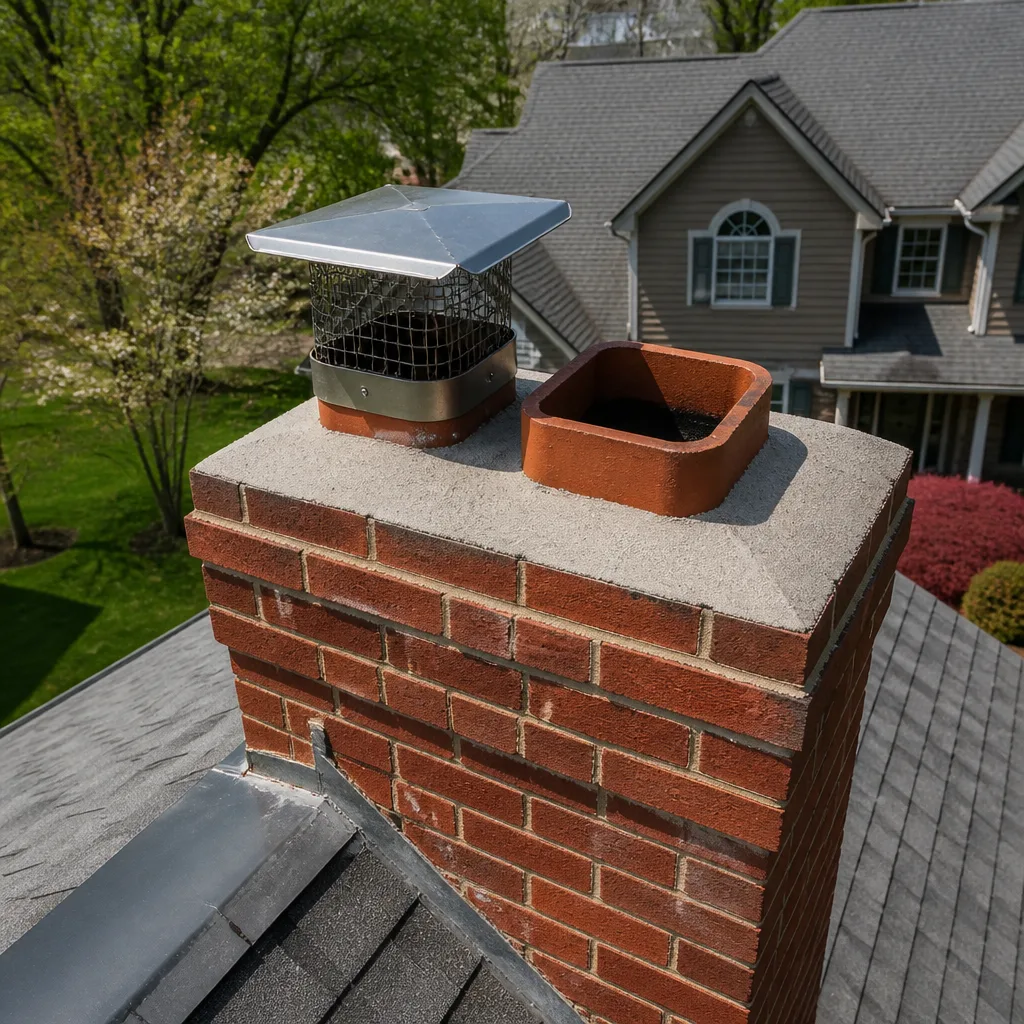
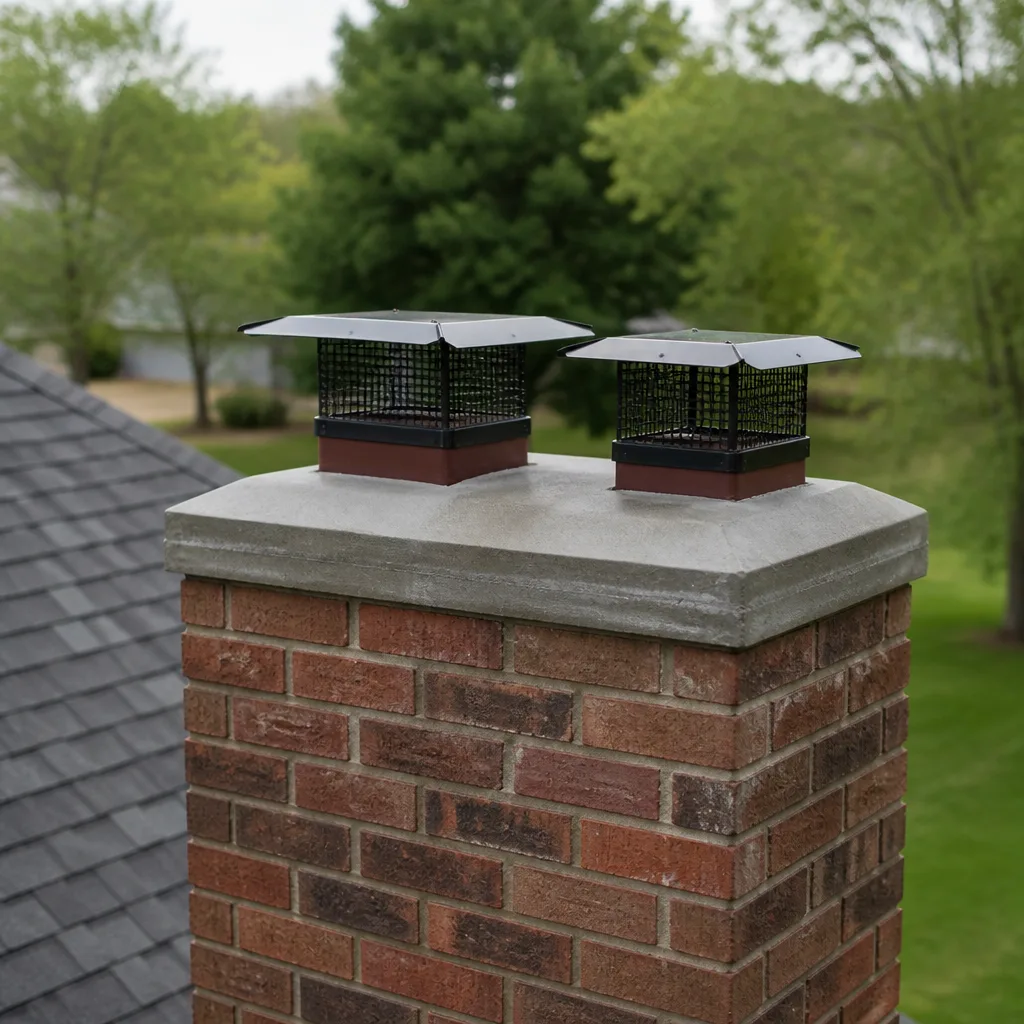 Caps & crowns
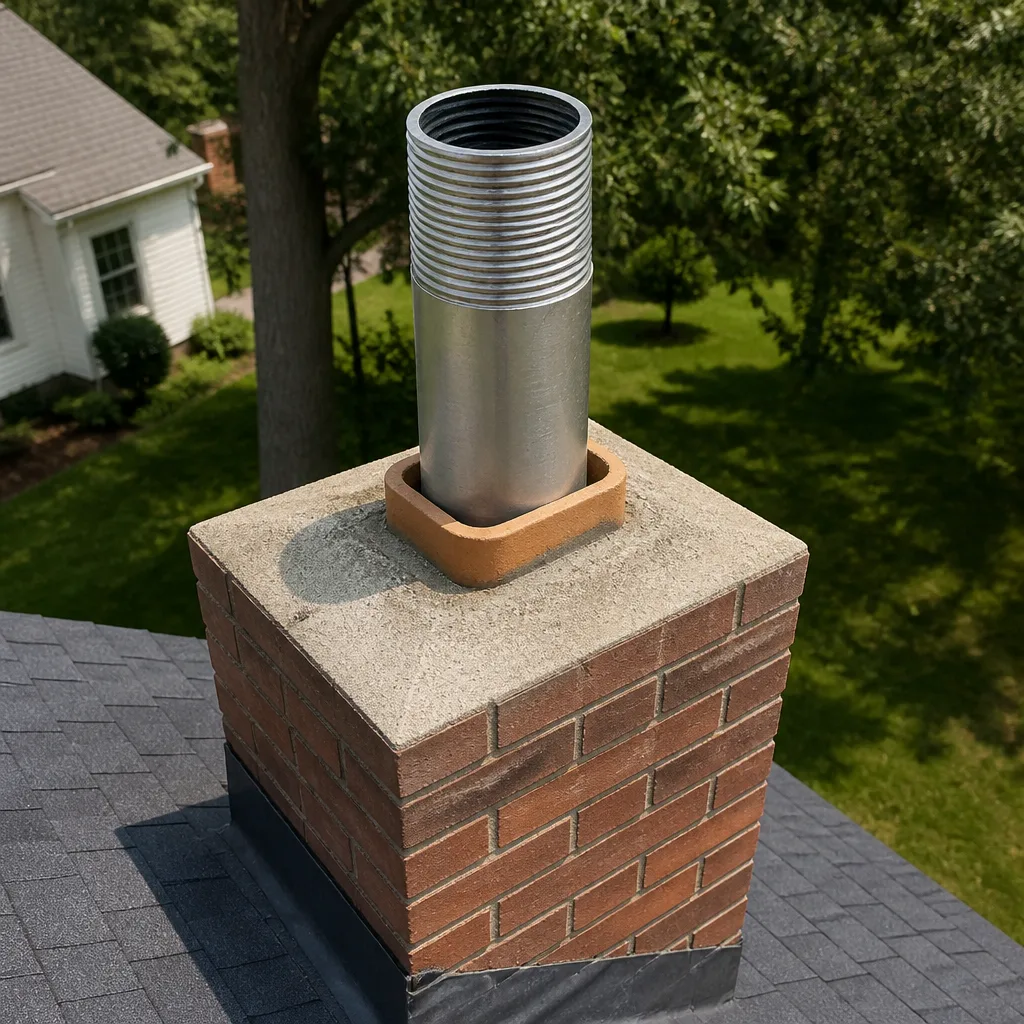 Flue relining
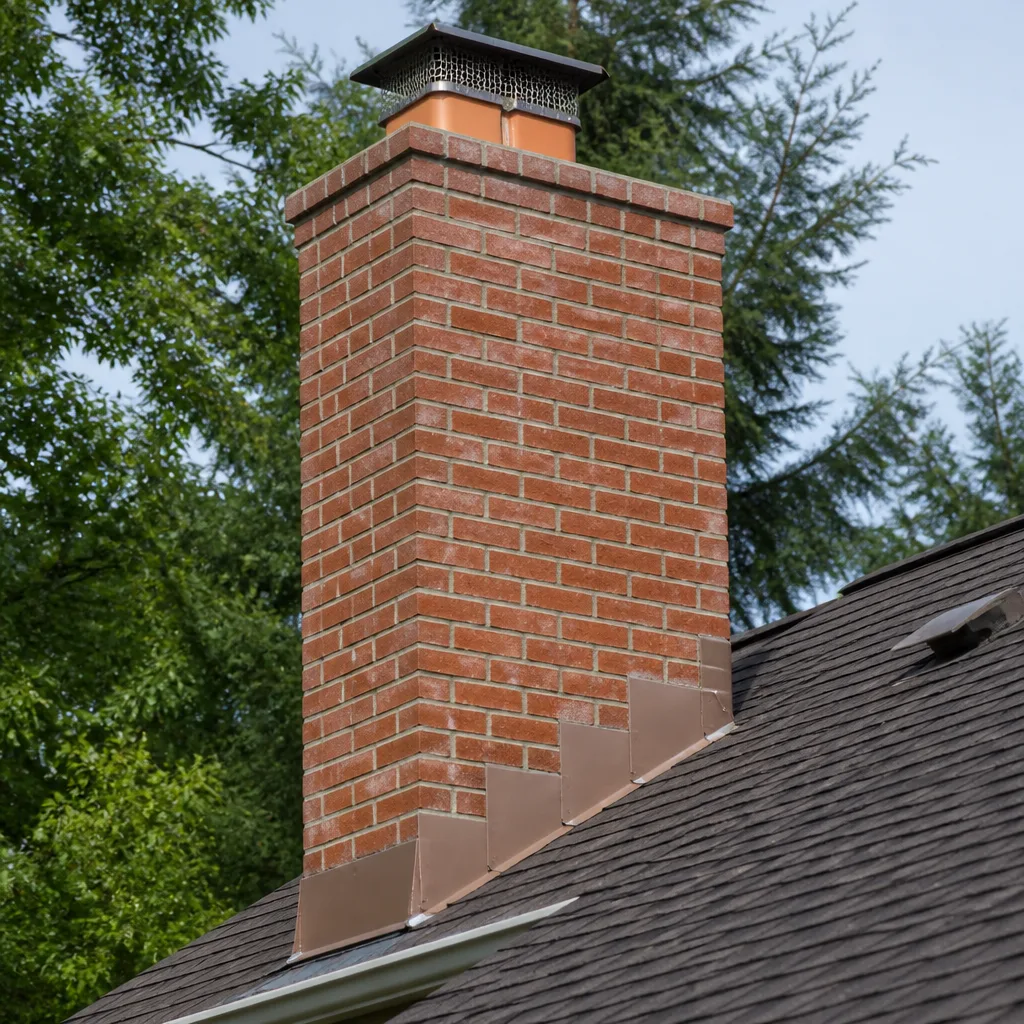 Masonry repair
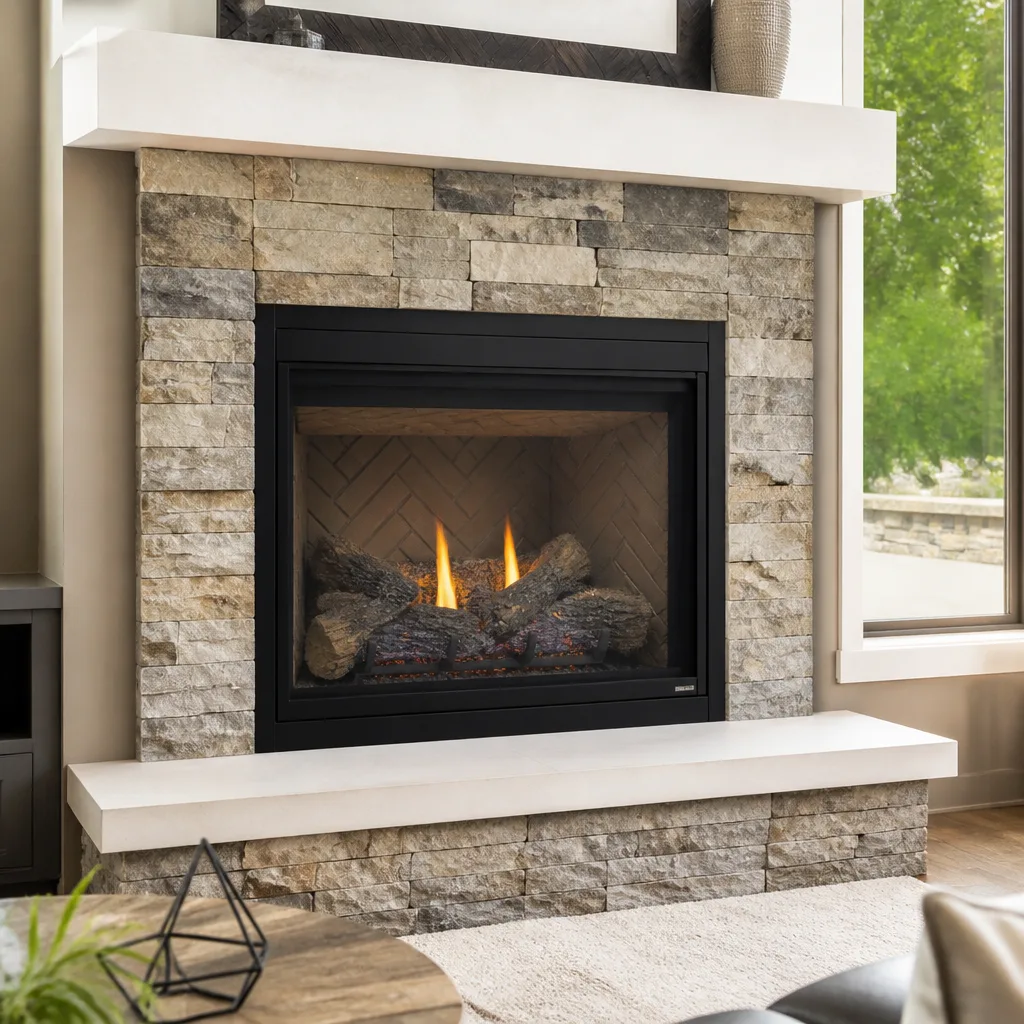 Gas fireplace service
Level 1 sweep and inspection to the NFPA 211 annual standard - flue, crown, cap, and flashing checked and photographed
Chimney sweep logs do not sweep chimneys. They loosen some creosote - which then falls where a brush and vacuum still have to collect it.
DIY vs Professional Chimney Cleaning: The Castle Rock Homeowner’s Decision Guide
Most chimney advice online splits into two useless camps: “always hire a pro” from people who sell sweeps, and “you can do it yourself” from people who’ve never looked up an offset flue. Both miss the point.
Here’s the honest version. Some Castle Rock homeowners genuinely can sweep their own chimney safely and well. The conditions are specific enough, though, that most homes in town don’t meet them – especially anything built after 2000 with a two-story firebox configuration.
This guide draws the line precisely. You’ll learn which chimney setups support DIY brushing, what consumer kits can and can’t remove, where the inspection gap quietly undermines the whole exercise, what the equipment actually costs over time, and how your homeowner’s policy interacts with the decision. No sales pitch. Just the math and the physical facts.
Quick Answer
DIY chimney cleaning in Castle Rock is viable only if you have a straight, single-flue masonry chimney with no offset, a wood-burning habit under roughly two cords a year, and a quality rod-and-brush kit sized to your flue. For most Castle Rock homes – particularly multi-story builds with offset flues, gas inserts, or any stage 2 or stage 3 creosote – professional sweeping with rotary equipment and a documented inspection is the only method that actually addresses chimney safety.
Styles & brands we work with
- Sweep & inspection
- Caps & crowns
- Flue relining
- Masonry repair
- Gas fireplace service
Table of Contents
- Where DIY Chimney Sweeping Actually Works
- Offset Flues and Multi-Story Builds: The DIY Killer
- What Consumer Brushes Can and Cannot Remove
- The Inspection Gap Nobody Talks About
- DIY Kit vs Professional Sweep: An Honest Cost Comparison
- Liability and Homeowner’s Insurance in Castle Rock
- Castle Rock Climate and Your Chimney
- Common Mistakes to Avoid
- When to Call a Professional
Where DIY Chimney Sweeping Actually Works
DIY chimney sweeping is genuinely viable in a narrow set of circumstances. Get all of these right and a careful homeowner can do a competent job with a rod-and-brush kit:
- Straight vertical flue with no offset, jog, or angle bend between the firebox and the crown. If the flue runs dead vertical, a brush on a flexible rod can reach the full length.
- Single flue per chimney. Multi-flue chimneys demand careful flue-to-flue discipline that most first-timers get wrong and damage.
- Masonry construction with a clay tile liner in good condition. Prefab metal chimneys can be swept DIY in some cases, but the brush type and liner condition have to be verified first.
- Wood-burning only, under roughly two cords per season. Heavier use builds creosote faster than annual brushing can keep up with.
- Stage 1 creosote only – the light, flaky, soot-like deposits. Stage 2 and stage 3 are a different discussion entirely (see below).
- Roof access you’re comfortable with, on a pitch you can safely work on with a proper roof ladder and harness. If you’re not ladder-confident on a two-story roof, this alone closes the door.
- No history of chimney fire, no liner defects, no water intrusion, no crumbling mortar joints observed from the firebox looking up.
If that list describes your setup in Castle Rock, DIY is on the table. Note that it’s a short list, and the conditions tend to cluster in older single-story homes built in the Founders Village and The Meadows pockets rather than newer construction.
One thing DIY does not cover: the inspection that tells you whether your flue was actually intact before you swept it. We’ll get to that.
Offset Flues and Multi-Story Builds: The DIY Killer
An offset flue is where DIY sweeping breaks down. In a modern two-story or split-level home, the firebox rarely sits directly under the chimney cap. The flue runs up a short distance, jogs sideways to clear a structural element, and continues to the roofline. That jog is normal, code-compliant, and completely invisible from the firebox.
A straight brush on a flexible rod cannot follow an offset. It hits the first bend and either stalls or bypasses the bend entirely and continues up the wrong path. What the homeowner experiences is the illusion of a sweep: the brush went up, the brush came down, the fireplace looks cleaner. What actually happened is that the section past the offset – often the section collecting the most creosote, because it’s cooler and bends slow the exhaust – never got touched.
In our experience working Castle Rock chimneys, offset flues are the rule in homes built after 2000, not the exception. Builders route flues around structure, and modern firebox placement doesn’t always line up vertically with the roof penetration. If you don’t know whether your chimney has an offset, you don’t know whether your DIY sweep is reaching the whole flue.
Confirming an offset requires either:
- Looking down the flue from the roof with a bright light to see if the channel runs straight to the firebox.
- A camera inspection from the firebox up, which most homeowners don’t have equipment for.
- Comparing the firebox position on the floor plan against the chimney cap location from outside. If they don’t line up, you have an offset.
Professional sweeps handle offsets with rotary equipment and integrated cameras that navigate the flue and confirm complete coverage. That’s a function DIY kits were never designed to provide.
What Consumer Brushes Can and Cannot Remove
Creosote exists on a spectrum, and the brush only works on the lightest end of it. Understanding the three stages is the single most useful thing you can learn before deciding whether to call someone.
Stage 1: Brushable
Stage 1 creosote is the light, flaky, soot-colored deposit that accumulates normally with regular wood burning. A stiff-bristle brush removes it cleanly. If your chimney is swept annually and stage 1 is all that builds, a quality DIY kit handles it.
Stage 2: Professional Rotary Equipment
Stage 2 creosote is denser, darker, and often appears as a shiny glaze or a hardened crust bonded to the flue surface. It does not come off with a consumer brush – the brush glides over the surface, doing cosmetic work, while the deposit stays. Stage 2 removal requires professional rotary equipment: motorized whips, chains, and specialized heads sized to the flue. This is the level where DIY stops being effective, not because the homeowner is doing it wrong, but because the tooling limitation is physical.
Stage 3: Chemical Treatment Before Removal
Stage 3 creosote is a thick, tar-like deposit that has baked onto the flue. It cannot be removed mechanically without causing damage to the liner. The correct sequence is chemical treatment – a creosote-releasing compound applied to the flue and left to break down the deposit – followed by mechanical removal once the glazing has softened. This is specialized work. Consumer brushes and any standard formulation you can buy retail are not part of this process.
Identifying which stage you’re dealing with requires looking. A flashlight up the flue can give a rough indication. A camera inspection gives a definitive answer. If you’re seeing shiny, glazed, or thick tar-like deposit at any visible point, stage 1 is behind you, and the DIY calculus has changed.
The Inspection Gap Nobody Talks About
Sweeping and inspecting are not the same task. Sweeping removes creosote. Inspection evaluates whether the chimney is safe to use – which is the question that actually matters before fire season.
The gap here is real, and it’s where DIY sweeping most often fails. A homeowner can brush their chimney competently every year for a decade and still not know:
- Whether the clay tile liner has cracked, spalled, or deteriorated at any point along its length.
- Whether the chimney cap is failing and letting water into the flue.
- Whether the crown has cracked and is channeling water down the masonry.
- Whether the firebox joints are showing mortar deterioration that needs repointing.
- Whether the smoke chamber has been parged properly.
- Whether the flue is sized correctly for the appliance connected to it.
- Whether there’s any obstruction – birds, squirrels, leaf nests – sitting above the visible reach of the brush.
None of that requires a crisis. Most of it is normal wear that a specialist catches in a routine professional sweep and can be addressed before it becomes structural. But when it goes unobserved, a routine sweep becomes an emergency call years later.
The professional inspection is the part of a service call that isn’t about cleaning at all. It’s the part that catches problems while they’re still cheap. This is a good reason to schedule chimney sweep service annually with inspection attached, rather than sweeping more frequently through the year without ever looking at the components. If we’re the ones you call, we perform inspection as part of a standard sweep.
DIY Kit vs Professional Sweep: An Honest Cost Comparison
A quality DIY rod-and-brush kit costs somewhere in the range of a professional sweep to buy. That’s the honest starting point. A good flexible rod set, correct-diameter brush heads, fireplace-glove protection, drop cloths, and a shop vacuum rated for fine soot typically lands in the cost of one professional sweep on the low end and more than one on the high end. Cheaper kits exist; they tend to have rod tips that pull out of the couplings under load and brushes that shed bristles.
The math only works in favor of DIY if the chimney configuration supports it and the homeowner sticks with it over multiple years. Two scenarios:
- Scenario A (straight single-flue masonry, under two cords per year, careful homeowner): The kit pays for itself after roughly the second or third season, depending on what you bought. You’re still missing inspection each year, so add a professional inspection every two to three years on top of the DIY sweeps.
- Scenario B (offset flue, multi-story build, stage 2 creosote, or modern prefab that hasn’t been inspected): The kit never pays for itself because it never delivers a proper sweep in the first place. The homeowner ends up hiring a professional anyway, on top of the kit cost. This is the more common scenario in Castle Rock – homes built in newer subdivisions fall into it almost automatically.
Add to that the practical reality: if you’re buying a ladder rated for roof access, safety harness, and a good respirator to do this once a year, most homeowners cross the cost threshold of a professional sweep before the first season ends. These are all legitimate expenses; they just add up.
Professional sweeps often come with the inspection included, which is part of what you’re paying for. If the inspection turns up nothing, the sweep is a clean, documented pass. If it turns up a liner defect or a failing crown, you’ve caught it early – and the money you’ll save fixing it is orders of magnitude larger than the money you tried to save on DIY. We work with chimney repair within the same service so that anything the inspection catches can be scheduled in the same conversation.
Liability and Homeowner’s Insurance in Castle Rock
Homeowner’s insurance doesn’t usually have an opinion about who swept your chimney. It has an opinion about documentation when something goes wrong. That distinction matters for the DIY decision, and it’s not a scare tactic – it’s just how claims get reviewed.
Most homeowner’s policies will cover a fire, including a chimney fire, subject to the terms of the policy. What a claims adjuster will look for in a chimney fire claim is evidence of maintenance. Without documentation, a claim can be contested on neglect grounds, regardless of whether you swept the chimney yourself or hired someone who didn’t document their work. A dated professional sweep and inspection record is the kind of thing that shortens claim reviews.
Here’s the honest reconciliation: if you sweep your own chimney and keep a written log – date, depth of creosote observed, and a photo of the flue before and after – you’ve created some documentation. It’s weaker than a professional report, but it’s not nothing. If you have a claim down the road, that log is the difference between “the homeowner has no maintenance record” and “the homeowner did the work and here’s what it looked like.”
For Castle Rock homes in HOAs – and there are many – there’s also a covenant-side angle. Some HOA rules require documented maintenance for shared chimney structures in attached housing. Read your covenants if that applies. In our experience, this is more common in newer townhome communities than standalone single-family homes.
One note on policy renewals. Carriers occasionally ask for a chimney inspection record when a policy on an older home is reviewed. If you’ve swept DIY for years and can’t produce a documented inspection, that’s a conversation you’ll want to have proactively rather than at renewal. A professional sweep with a report in hand solves it. This is one reason we recommend a professional inspection at least every two to three years even for confident DIYers.
Castle Rock Climate and Your Chimney
Castle Rock’s climate shapes how much creosote builds and how fast. Cold winters drive long burning seasons, and altitude affects how a fire burns in ways that matter for flue deposits. Homes at Castle Rock’s elevation typically see shorter, hotter fires or longer, cooler burns depending on the wood moisture content. Cooler, smoldering fires are the ones that build stage 2 creosote fastest, because the exhaust is cooler and the creosote condenses on the flue more readily.
Season length is the other factor. A longer burning season in Castle Rock means more time on the calendar for deposits to accumulate. Even homes under two cords per year feel this if the burn happens across more months than in a lower-altitude climate.
The temperature swings between seasons have their own effect on masonry. Freeze-thaw cycles work on mortar joints and crowns the way they do everywhere on the Front Range. Cracks that form from freeze-thaw are entry points for water, which accelerates everything – liner deterioration, mortar failure, and crown damage. This is why routine inspection is more important in Castle Rock than the raw burn volume alone would suggest.
One more Castle Rock specific: summer hailstorms and spring wind on the Front Range take a toll on chimney caps and crowns. A cap that takes a hit in a June storm and starts leaking becomes a flue that’s wet all winter. Cap and crown work is part of the annual visual check for a reason. We install caps and crowns from Chimney Sweep Castle Rock using manufacturer-grade components for exactly this reason.
Common Mistakes to Avoid
- Sweeping without knowing your creosote stage. A brush hitting glazed stage 2 creosote does cosmetic work and gives a false sense of a clean chimney. Learn to identify stages before you buy equipment.
- Assuming a straight flue without confirming it. Castle Rock homes built after 2000 very often have offsets. Look down the flue from the roof before you commit to a DIY brush.
- Buying the cheapest kit available. Rod tips pull out, brushes shed, and the flue gets scratched up by cheap bristles. A cut-rate kit costs more in the long run than a decent one.
- Reaching into the firebox for a “visual inspection” instead of proper flue access. You cannot see past the smoke chamber from the firebox. That’s not an inspection.
- Touching the flue without roof and ladder safety in place. Roof pitch, roof hardware, and ladder placement account for most of the injuries in this trade. If the ladder entry feels risky, that’s a real risk signal.
- Skipping the inspection entirely. Sweeping without inspecting leaves the liner, cap, crown, and smoke chamber completely unaddressed. That’s the part that protects the home.
- Burning green or unseasoned wood once the rule is in place. Wet wood drives smoldering fires, which drive stage 2 creosote build. Seasoned wood under twenty percent moisture content is the same recommendation every year, and it’s the one most homeowners ignore.
When to Call a Professional
Call a professional sweep when any of these apply to your Castle Rock chimney:
- Multi-story construction or a firebox that doesn’t stack vertically with the chimney cap.
- Any visible glazed or tar-like deposit in the flue.
- No inspection on record in the last three years.
- A chimney fire, past or suspected.
- Water stains, spalling brick, or crumbling mortar on the exterior.
- Any firebox joint deterioration or smoke chamber concern.
- Gas insert or prefab fireplace with uncertain liner condition.
- Wood use above two cords per year.
- An HOA or insurer request for a professional inspection report.
We do all five of the core chimney services – sweeping, inspection, fireplace repair, chimney repair, and cap and crown work – so nothing found in the flue gets punted to another vendor. Chimney Sweep Castle Rock offers free estimates in Castle Rock. Call (833) 699-7166. We answer 24/7. Fast dispatch from 7am to 7pm, Sunday through Friday.
See the difference
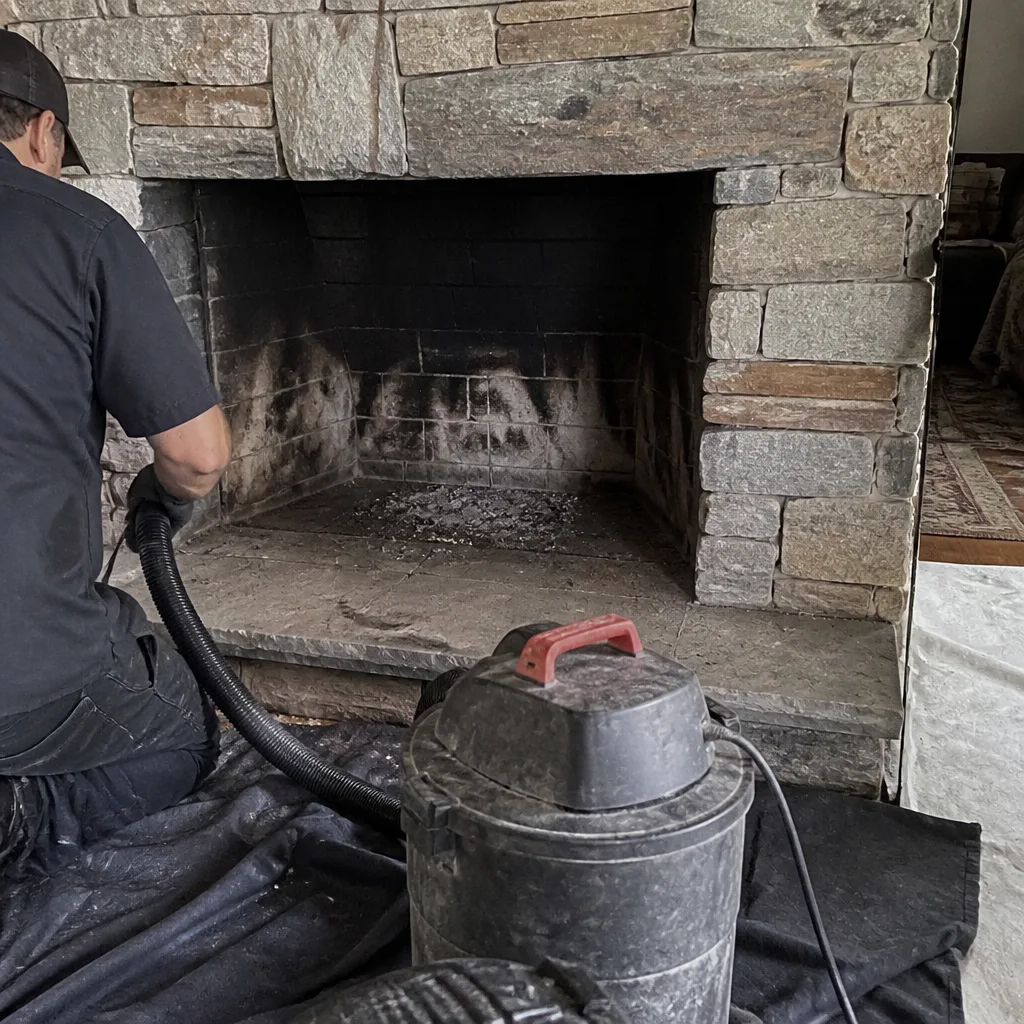 Before
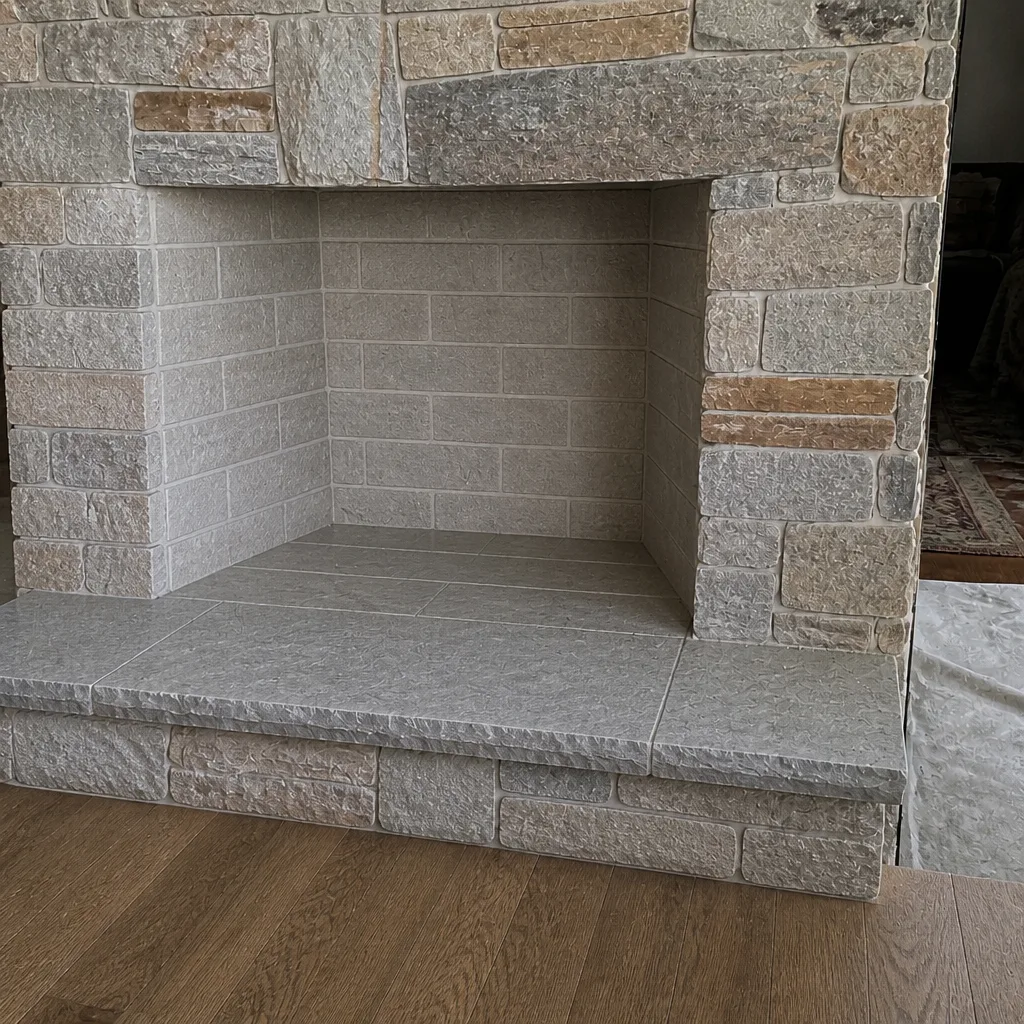 After
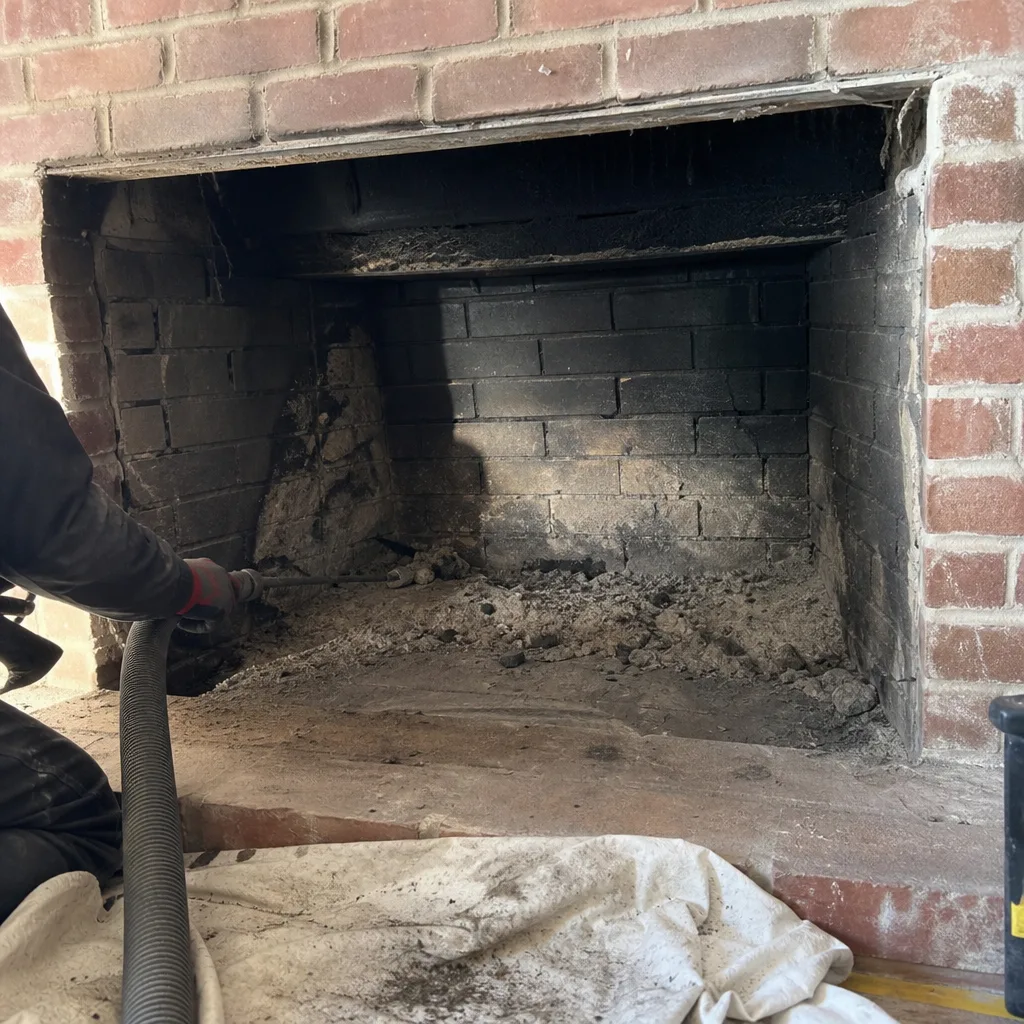 Before
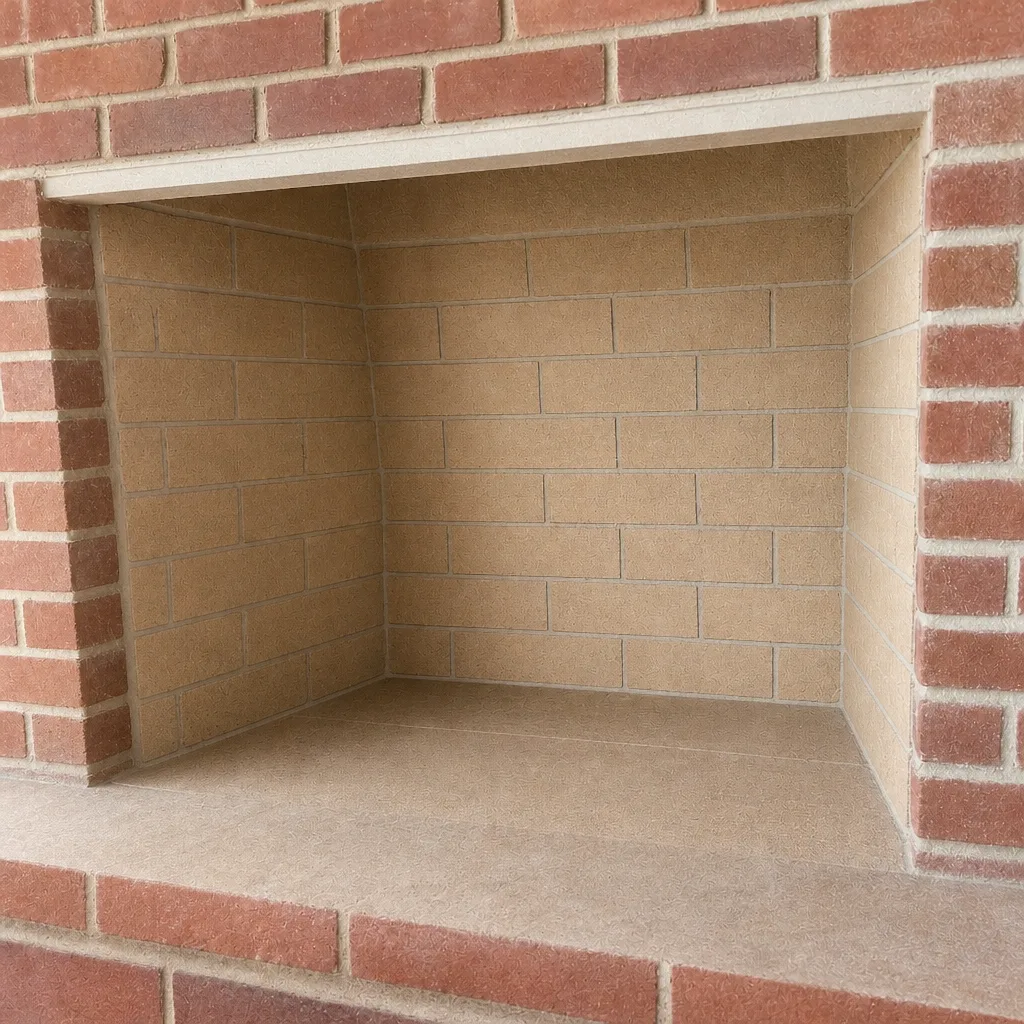 After
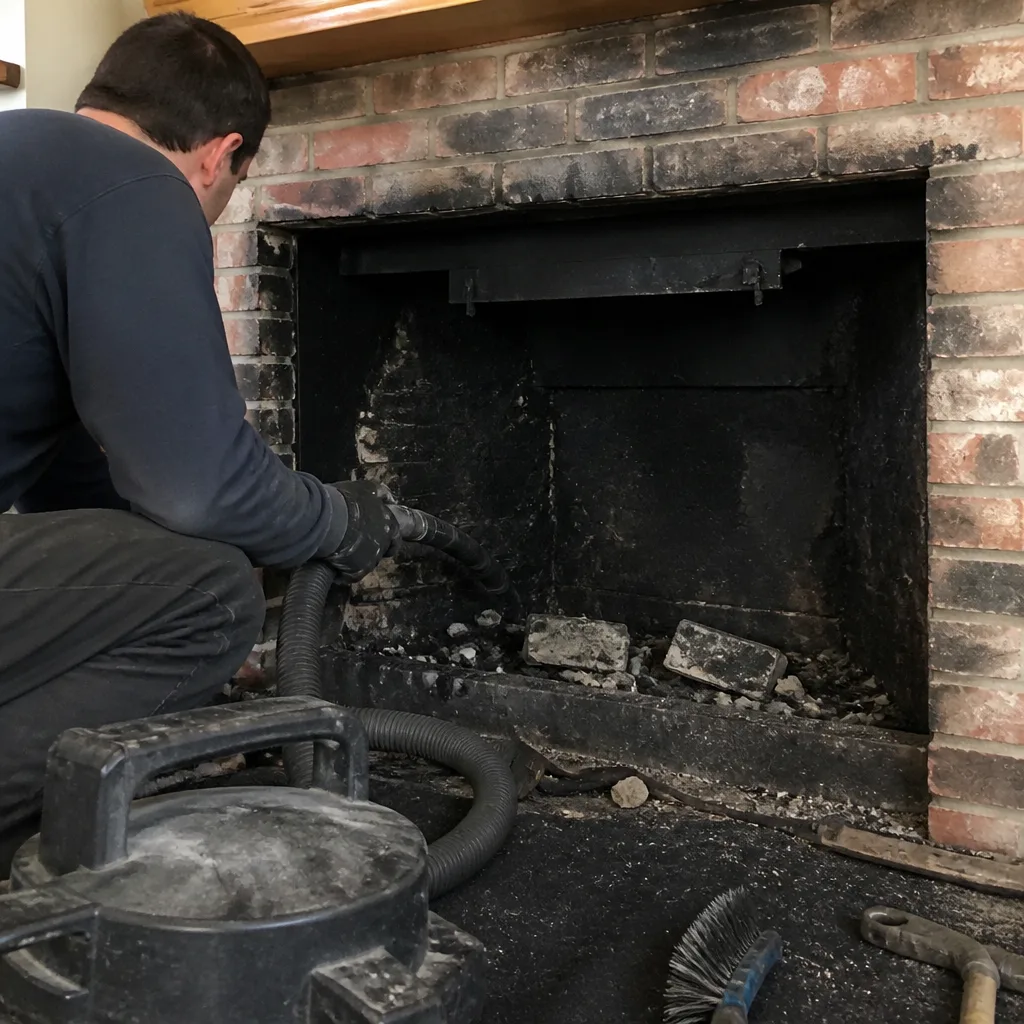 Before
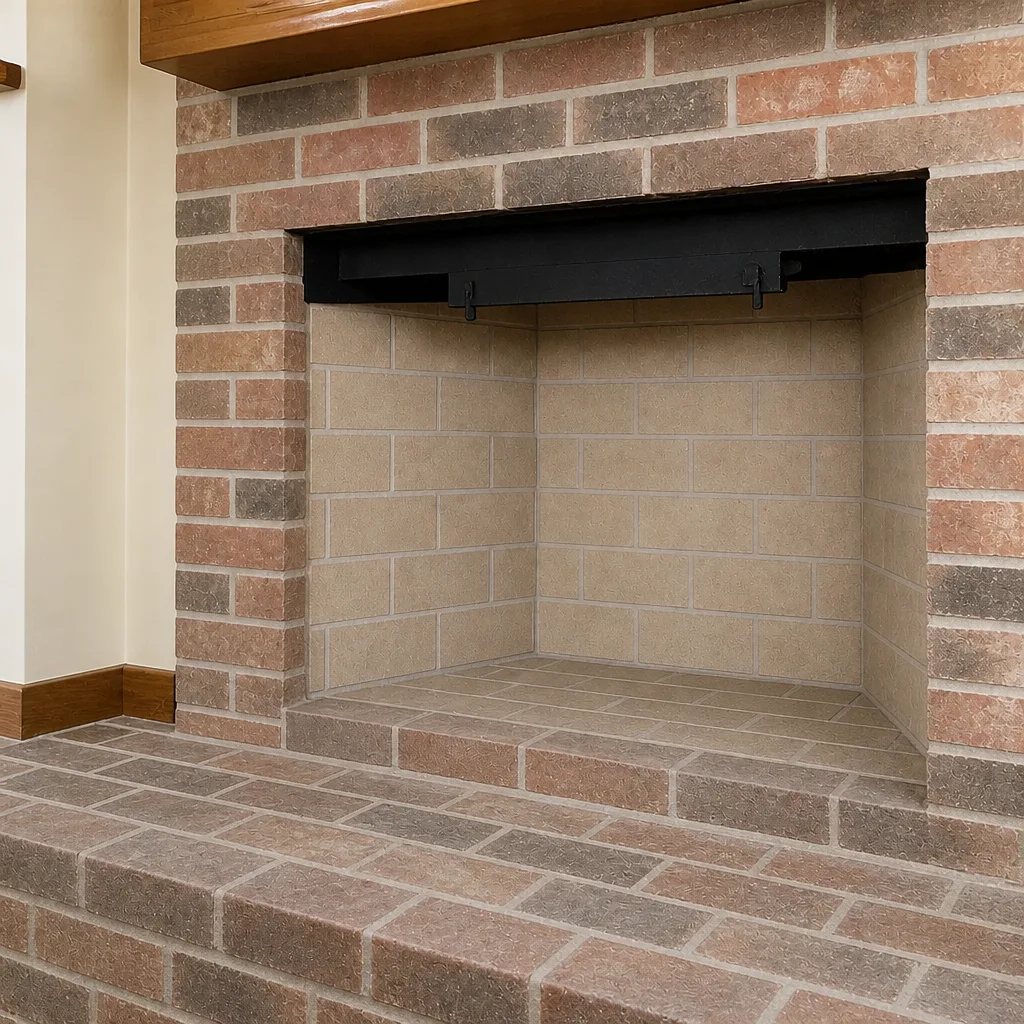 After
Frequently Asked Questions
Professional sweeps in Castle Rock typically run in the range of a quality DIY kit – roughly the entry point for a full rod, brush, and accessory set. The written estimate sets the final price, and we include inspection in the standard sweep so you’re getting documentation, not just cleaning. Call (833) 699-7166 for an exact quote – estimates are free. We answer 24/7. Fast dispatch from 7am to 7pm, Sunday through Friday.
Sometimes. DIY sweeping works if you have a straight, single-flue masonry chimney with no offset, stage 1 creosote only, under roughly two cords per year of wood burning, and a comfortable roofline to access. Most Castle Rock homes built after 2000 don’t meet those conditions because offset flues and multi-story configurations are the norm. If any of the conditions are missing, DIY is not an effective sweep.
Annually for most homes, at the start of the burning season. Homes with heavier wood use – over two cords per year – or homes producing stage 2 creosote need more frequent attention. A Castle Rock home that burns throughout the winter should be inspected every year, even if the DIY sweep happens independently.
Yes. Inspection evaluates the liner, cap, crown, smoke chamber, and firebox condition – components your brush never touches. A DIY sweep without inspection leaves those unexamined. We recommend a professional inspection at least every two to three years for confident DIYers, and annually for anyone with an older chimney, a previous repair, or an insurance documentation requirement.
Creosote keeps building, and at stage 2 or stage 3 it’s a fire hazard that a consumer brush can’t correct. Beyond the fire risk, small cracks in the liner, damaged crown, or a failing cap go unaddressed and worsen. The pattern we see most in Castle Rock is a homeowner who swept for years without an inspection and now needs a liner restoration instead of a sweep. HeatShield resurfacing can restore a deteriorating liner in many cases without demolition, but the cost goes up the longer the problem sits.
Most policies will consider the claim, but an adjuster will look for evidence of maintained documentation. A written sweep log with photo records is some evidence; a professional sweep and inspection report is stronger. If documentation is missing, claims can be contested on neglect grounds regardless of who did the work. Keeping a log – date, creosote depth, before and after photos – is the minimum if you’re sweeping yourself.
The Bottom Line
DIY chimney sweeping works for a defined set of Castle Rock homes: straight single-flue masonry chimneys with stage 1 creosote, under two cords a year, accessed safely from a roofline the homeowner is comfortable working on. For most homes built in Castle Rock after 2000, offset flues and stage 2 deposits mean the brush reaches less of the chimney than the homeowner thinks.
The inspection is the part DIY can’t replicate. Even a confident DIYer should get a professional inspection and photo report every two to three years, plus a documented sweep if anything more than stage 1 shows up. The equipment math only works if the DIY is actually effective, and in a lot of Castle Rock, it isn’t.
When you’re ready to have it checked properly, we use the same professional-grade components certified chimney professionals specify – HeatShield for liner restoration, DuraFlex for complex or offset relines, and Copperfield and Famco for caps and crowns where those are the right spec. Whether you’re scheduling a routine sweep, a fireplace repair, or a full inspection report, call (833) 699-7166 for a free estimate. We answer 24/7. Fast dispatch from 7am to 7pm, Sunday through Friday.
Written by the team at Chimney Sweep Castle Rock.