
Last updated November 23, 2026
 Sweep & inspection
 Caps & crowns
 Flue relining
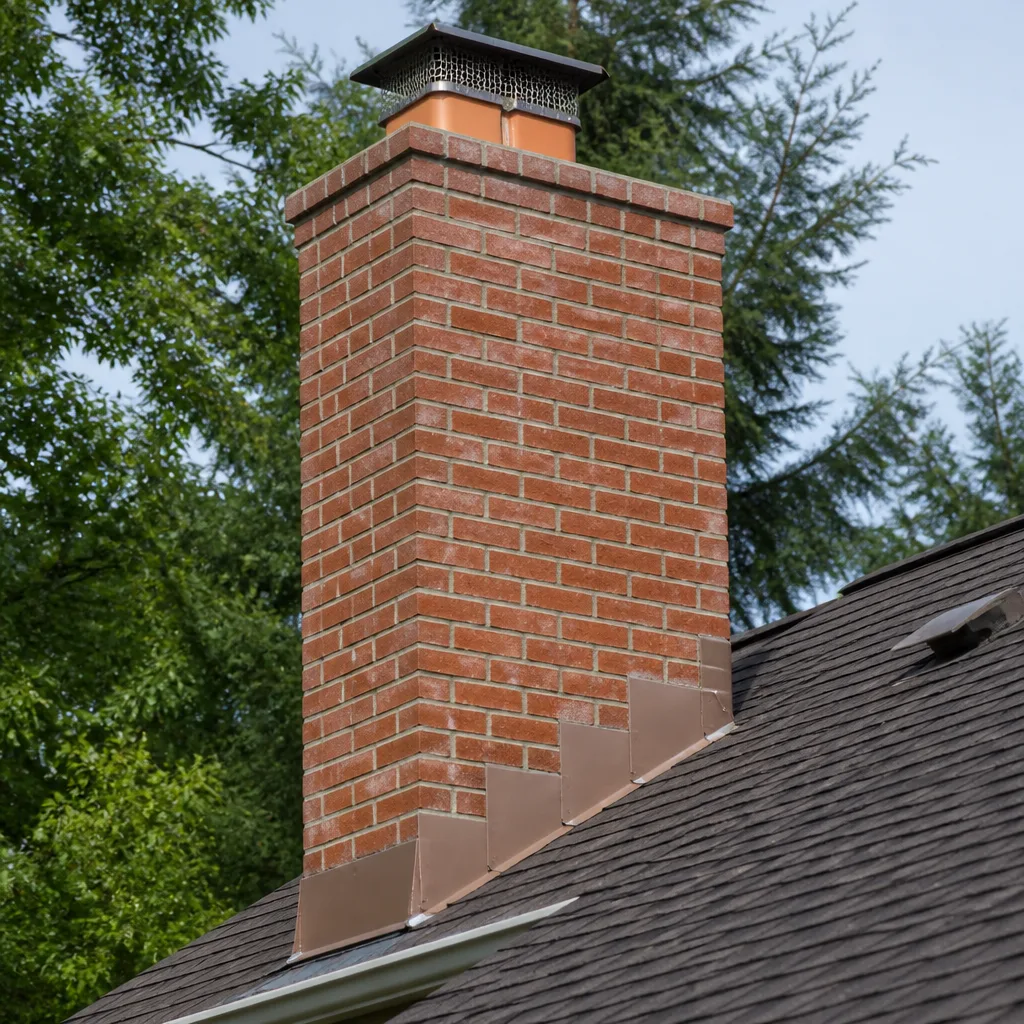 Masonry repair
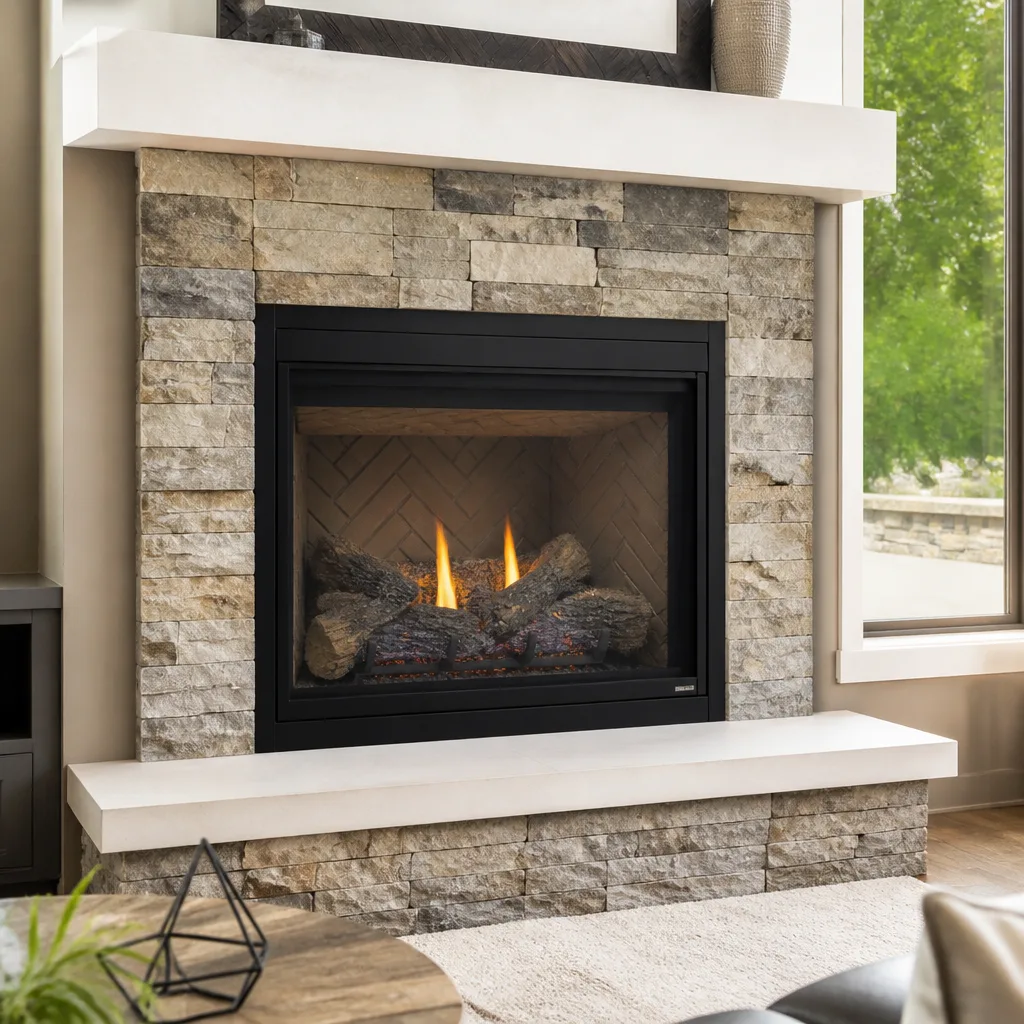 Gas fireplace service
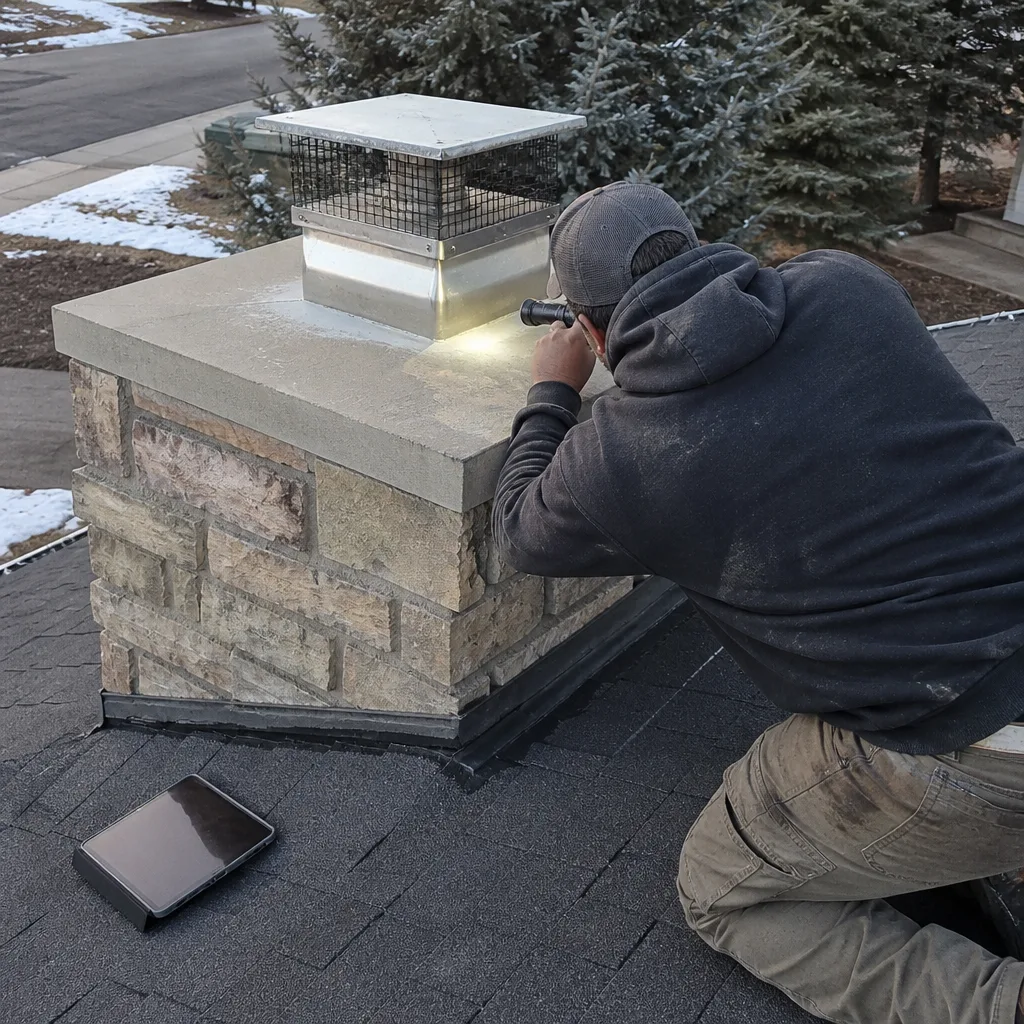
Level 1 sweep and inspection to the NFPA 211 annual standard - flue, crown, cap, and flashing checked and photographed
Chimney sweep logs do not sweep chimneys. They loosen some creosote - which then falls where a brush and vacuum still have to collect it.
How to Hire a Chimney Cleaning Contractor in Castle Rock: A Step-by-Step Guide
Colorado does not require a state chimney contractor license. That single fact changes how you should shop for a sweep. The company you hire next week could have started business last month, and nothing on their truck, their website or their invoice will tell you that. In the chimney trade, credentials are voluntary, so the homeowner carries the burden of verification. That sounds daunting. It isn’t, once you know what to ask. By the end of this guide you’ll know what CSIA certification actually costs a technician to earn, the five questions that separate a chimney specialist from a handyman who added sweeping to the menu, and how to read reviews for the subtle language of upselling pressure.
Quick Answer
Hiring a chimney cleaning contractor in Castle Rock comes down to verifying four things before anyone touches your flue: third-party certification (CSIA is the one that matters), insurance that specifically covers chimney work, a documented inspection included with every sweep, and a written report you can review afterward. Price matters, but the cheapest bid is usually cheap because the inspection was skipped. Ask the questions in this guide before you book, and you’ll avoid most of the trouble homeowners run into in Castle Rock.
Styles & brands we work with
- Sweep & inspection
- Caps & crowns
- Flue relining
- Masonry repair
- Gas fireplace service
Table of Contents
- Why Colorado’s Missing License Requirement Changes Everything
- What CSIA Certification Actually Means (and What It Costs)
- The Five Questions That Expose an Underqualified Contractor
- Why the Lowest Bid in Castle Rock Is Rarely the Best Deal
- How to Verify Insurance for Chimney Work Specifically
- Reading Reviews Like a Chimney Professional
- Castle Rock’s Climate and What It Does to Your Chimney
- What a Legitimate Sweep Actually Involves
Why Colorado’s Missing License Requirement Changes Everything
Colorado does not issue a state chimney contractor license. There’s no state exam, no state registry, no license number to look up. Compare that to electrical or plumbing work, where a homeowner can verify credentials through a state database in about two minutes. For chimney work, that verification step doesn’t exist, and that’s the first thing to understand before you start calling contractors in Castle Rock.
What fills the gap is voluntary certification through the Chimney Safety Institute of America (CSIA), plus general business credentials like insurance. Neither is mandatory. Both are meaningful signals precisely because they’re optional and take real effort to obtain. A contractor who skipped them made a choice. So did the one who didn’t.
This matters more in Castle Rock than in a lot of places. The town has a large stock of homes with wood-burning fireplaces and older masonry chimneys, and plenty of them sit on the ridge lines and wooded lots where wind and weather do real work on the exterior. A chimney is a fire safety system. It’s also a structural system tied to your roof and framing. When something goes wrong with either, you want the work done by someone who understands both, not someone who spent last season installing gutters.
Here’s the practical takeaway: you can’t rely on a state license to filter out the inexperienced. You have to filter them out yourself. The rest of this guide shows you how.
What CSIA Certification Actually Means (and What It Costs)
CSIA certification is the only third-party credential in the chimney trade that carries real weight. It’s earned through a combination of documented field experience, a written exam, and a commitment to a code of ethics, and it’s renewed on a regular cycle with continuing education. It isn’t a weekend certificate. It’s a professional credential that follows a specific technician, not just a company name.
The cost to a technician is the part most homeowners never hear. Certification involves exam fees, study materials, renewal costs and continuing education hours, which means a company with multiple CSIA-certified technicians has made a deliberate investment in the trade. A company that has none has made a different kind of choice. Neither is illegal in Colorado. Only one tells you something about how seriously the company treats chimney work.
What to ask:
- Are your technicians CSIA-certified, and can you tell me which ones?
- Is your certification current, or is it up for renewal this year?
- Do you follow the NFPA 211 standard for chimney inspections and maintenance?
That last question matters because NFPA 211 is the industry standard that defines the three inspection levels (Level 1, Level 2, Level 3) and what each one covers. A company that knows the standard by name and can explain when each level applies is a company that has actually studied the trade. A company that gives you a blank look when you mention it hasn’t.
One more note for Castle Rock homeowners: certification is a floor, not a ceiling. It tells you the technician passed a test and committed to a code of ethics. It doesn’t tell you about their communication style, their pricing structure or their track record in your area. Those come from the questions in the next section.
The Five Questions That Expose an Underqualified Contractor
Ask these five questions before you book a chimney sweep. The answers matter less than how the contractor responds. A specialist answers with specifics. A handyman hedges, generalizes or talks around the question.
- “What inspection level comes with the sweep?” A standard sweep should include a Level 1 visual inspection. If they can’t name the level or explain what it covers, they’re not running a proper inspection. A Level 2 inspection (video camera) applies when there’s been a chimney fire, a change in fuel type, a transfer of ownership or a change to the flue system. A Level 3 happens only when a serious hidden hazard is suspected.
- “Are your technicians CSIA-certified?” A simple yes or no is what you’re after. If the answer is “we follow all the standards” without a direct yes, that’s not the same thing.
- “What brands do you install on caps, crowns and liners?” A chimney specialist names actual product brands, like DuraFlex, HeatShield or Olympia Chimney. A handyman says “whatever’s available at the hardware store.” Manufacturer-grade components and hardware-store substitutes are not the same thing over a ten-year horizon.
- “How do you document the inspection?” Photos and a written report should be standard. If they can’t show you what the report looks like before the job, ask why.
- “What do you do if the sweep turns up a problem?” A specialist explains the finding, shows you the photo evidence, and gives you a written estimate for the repair. A handyman upsells on the spot or tells you it’s “probably fine” without a word about what to watch.
If a contractor answers two or more of those with a shrug, you’ve learned what you need to know. Keep calling. In Castle Rock there are enough options that you don’t have to settle for the first voice on the phone.
Why the Lowest Bid in Castle Rock Is Rarely the Best Deal
A sweep that comes in far below everyone else isn’t a bargain. It’s a sweep that skipped a step. The most common step skipped is the inspection. The technician runs a brush up the flue, vacuums the firebox and leaves, and you get a receipt with no report, no photos and no record of what the inside of your chimney actually looks like.
What that costs you is deferred damage. A small crack in a flue tile, a failing crown, a cap that’s come loose, a creosote buildup that’s thick enough to worry about: all of those are things a proper inspection would have caught and a skipped inspection won’t. They don’t fix themselves. They get bigger, and they get more expensive, and by the time you notice you’re looking at chimney repair work instead of a routine cleaning.
There’s a second cost that gets less attention. If your chimney has a problem you don’t know about, your homeowner’s insurance may have opinions about a claim related to it. Insurance carriers expect documented maintenance. A written report from a qualified inspection is exactly the kind of paperwork that helps when something goes sideways.
Here’s what a fair quote for a sweep in Castle Rock should include:
- A sweep that clears creosote from the flue and firebox.
- A Level 1 visual inspection of the accessible portions of the chimney.
- Photos of anything that needs attention.
- A written report, even if the news is “all good, see you next year.”
- A written estimate for any recommended work, with the scope spelled out.
If the quote covers all five, the price is what it is. If it covers only the first, ask what’s missing and why.
How to Verify Insurance for Chimney Work Specifically
Chimney work is a separate liability category from general handyman work. A chimney contractor sends people onto roofs, works with soot and creosote, and handles fire-safety systems. General liability insurance that covers painting or gutter cleaning may not cover chimney work at all. This is why you should ask for proof of insurance specific to chimney services, not just a certificate that says “general liability.”
What to ask for:
- A certificate of insurance naming general liability coverage. Ask the contractor to have their insurer email it directly to you, not to forward a PDF they’ve saved from a few years ago. Insurance certificates have expiration dates, and you want one that’s current.
- The coverage limits. Look at the per-occurrence and aggregate limits. A policy with very low limits won’t cover much if something goes wrong.
- Workers’ compensation coverage. If someone is injured on your property while working, this matters to you. Ask specifically.
- Confirmation that chimney work is covered. Ask the contractor to say so in writing. “Yes, we’re insured” isn’t the same as “yes, the work you’re hiring us for is a covered category on our current policy.”
Insurance verification takes about five minutes and it’s the single most useful thing you can do before booking. A legitimate contractor will send the certificate without hesitation. If someone resists or says they’ll “get to it later,” treat that as an answer.
Reading Reviews Like a Chimney Professional
Online reviews for chimney contractors contain more information than most homeowners realize, if you read for specific language rather than star ratings. A five-star review that says “great service, very professional” tells you almost nothing. A review that describes exactly what the technician did, how the findings were communicated and what the report included tells you volumes.
Look for the language of genuine recommendation:
- “They showed me photos of the inside of the flue before recommending the repair.”
- “They said the liner was fine and didn’t need replacing yet.”
- “They explained why a Level 2 inspection was needed after our chimney fire.”
- “They gave us a written estimate and we scheduled the work for a later date.”
Treat these phrases as a signal to look more carefully:
- “They told me I needed a new liner the same day as the sweep, but wouldn’t show me why.”
- “They recommended a lot of repairs I didn’t fully understand.”
- “The price went up once they were on the roof.”
- “They seemed to find a new problem every time they came out.”
None of those phrases prove anything on their own. A real liner problem is a real liner problem, and sometimes the honest answer is that the work is needed now. The question is whether the contractor showed the evidence. Legitimate repair recommendations come with photos, a written report and an explanation you can follow without a phone call to your brother-in-law. Upselling pressure comes without any of that, or with a same-day discount to push the decision faster.
The strongest review for a chimney contractor in Castle Rock includes the words “showed me” or “explained” and describes what was found. That’s the contractor you want.
Castle Rock’s Climate and What It Does to Your Chimney
Castle Rock sits at high elevation along the Palmer Divide, and that elevation and weather pattern affect chimneys in ways a contractor from lower ground may not account for. The combination of wind exposure, snow load, temperature swings and a burn season that runs through cold months shapes how a chimney ages here.
What that means in practice:
- Wind exposure stresses chimney caps and crowns. A properly installed cap from a manufacturer-grade brand handles wind loads better than a hardware-store substitute. If your cap looks shifted or missing, get it looked at before burn season.
- Freeze-thaw cycles in Castle Rock crack masonry over time. Small cracks in the crown or the chimney shoulders let water in, and water plus freezing temperatures widens cracks season after season. This is the most common structural issue we see in the area.
- Wood-burning habits vary widely here. Some households burn daily through winter, others light a fire a handful of times a season. Creosote buildup depends on how you burn, what you burn and how the flue drafts. A once-a-year sweep covers most households, but a heavy-burning household may want a mid-season check.
- Older masonry chimneys on the town’s established homes are more likely to have clay tile liners with visible wear. If a liner is deteriorating, HeatShield resurfacing can restore it without tearing out the original structure, which is a big deal for a home you plan to keep.
If your home sits on a wooded lot or on an exposed ridge around Castle Rock, exterior chimney components take more of a beating than they do on a sheltered street. That’s not a reason to panic. It’s a reason to look at the cap, crown and flashing during your annual sweep rather than skipping the visual inspection.
What a Legitimate Sweep Actually Involves
Knowing what a proper sweep looks like protects you from being sold something you don’t need and from paying for something that didn’t happen. Here’s the general sequence a good contractor follows.
- Pre-work setup. Drop cloths on the floor, a vacuum system running, and a check of the firebox and damper before anything starts. If your setup is minimal, ask about it.
- The sweep itself. Brushes run through the flue from the top down (or bottom up, depending on access) to clear creosote and soot. The firebox and smoke shelf get cleaned. The damper gets checked for operation.
- The Level 1 inspection. While the chimney is accessible, the technician checks the firebox, damper, smoke chamber, flue, cap and visible portions of the exterior. A camera may be used if there’s a reason to look deeper.
- Photo documentation. Any issue the technician wants to flag should come with a photo. This is your chance to see what they see.
- The written report. The report summarizes what was found, what was cleaned, and what (if anything) needs attention next. A good report is clear enough to read without a phone call.
- The estimate, if needed. Any recommended work gets a written estimate with the scope defined. You decide when to schedule it.
If anything in that sequence is missing, ask why. A contractor who does this work regularly will walk you through each step without hesitation. One who doesn’t will change the subject.
Common Mistakes to Avoid
- Hiring the first company that answers the phone. Castle Rock has enough options that you can take an hour to compare two or three contractors. The one who answers first isn’t necessarily the one with the credentials.
- Skipping the inspection. A sweep without an inspection is a vacuuming job. The inspection is where you learn what shape your chimney is actually in.
- Accepting a repair recommendation without photos. If a contractor tells you the liner is failing or the crown needs replacing, ask to see the photo. Legitimate findings come with evidence. Upgrades come with urgency.
- Not verifying insurance. Ask for a current certificate and confirm chimney work is covered. This is a five-minute step that protects you from a much bigger headache.
- Assuming price equals quality in either direction. The cheapest bid usually means something was skipped. The most expensive one doesn’t automatically mean the best work. Ask what’s included and compare the scope, not just the number.
- Waiting until you smell smoke. By the time a chimney problem announces itself with odor or draft issues, it’s usually been building for a season or more. An annual sweep catches the small stuff before it becomes fireplace repair.
- Trusting the hardware-store cap. Chimney caps come in very different grades. A cap installed with manufacturer-grade components will outlast a thin substitute by a wide margin, and a good cap keeps water, birds and debris out of the flue.
See the difference
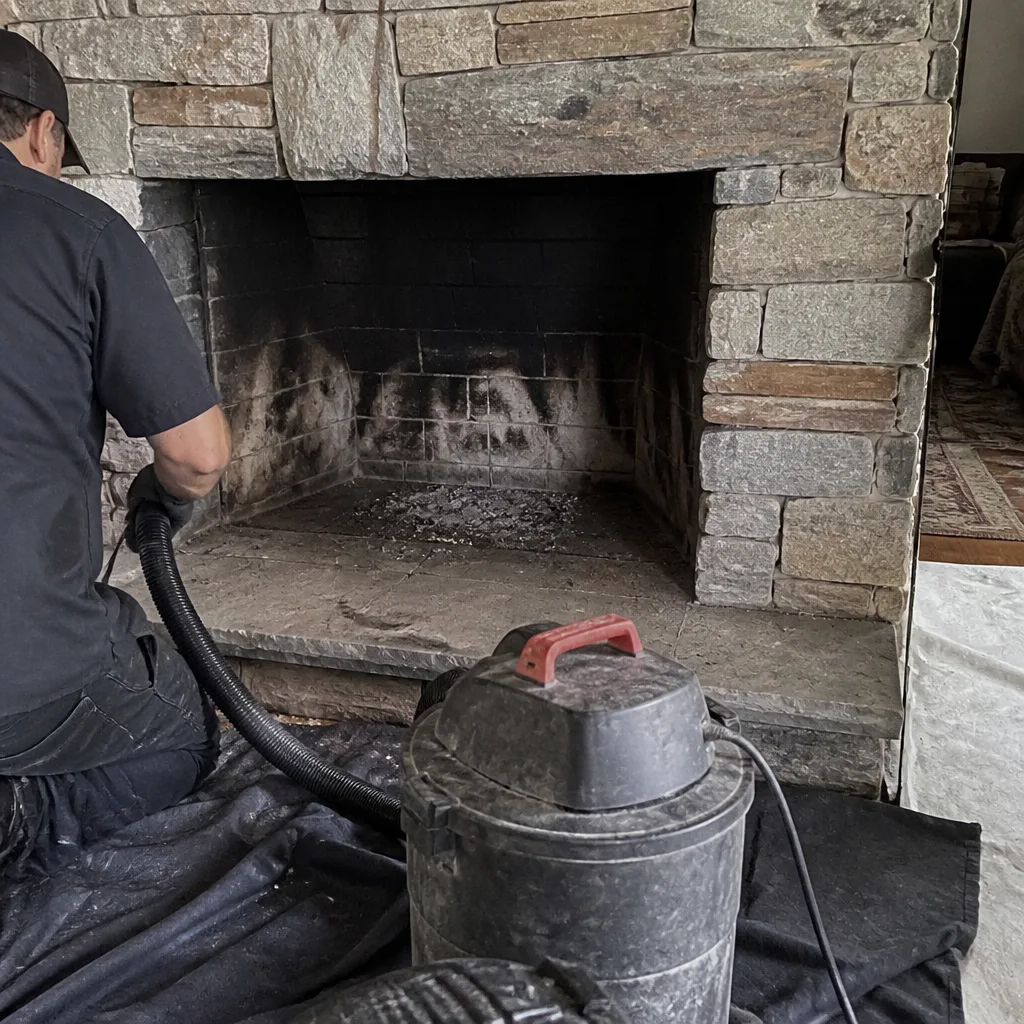 Before
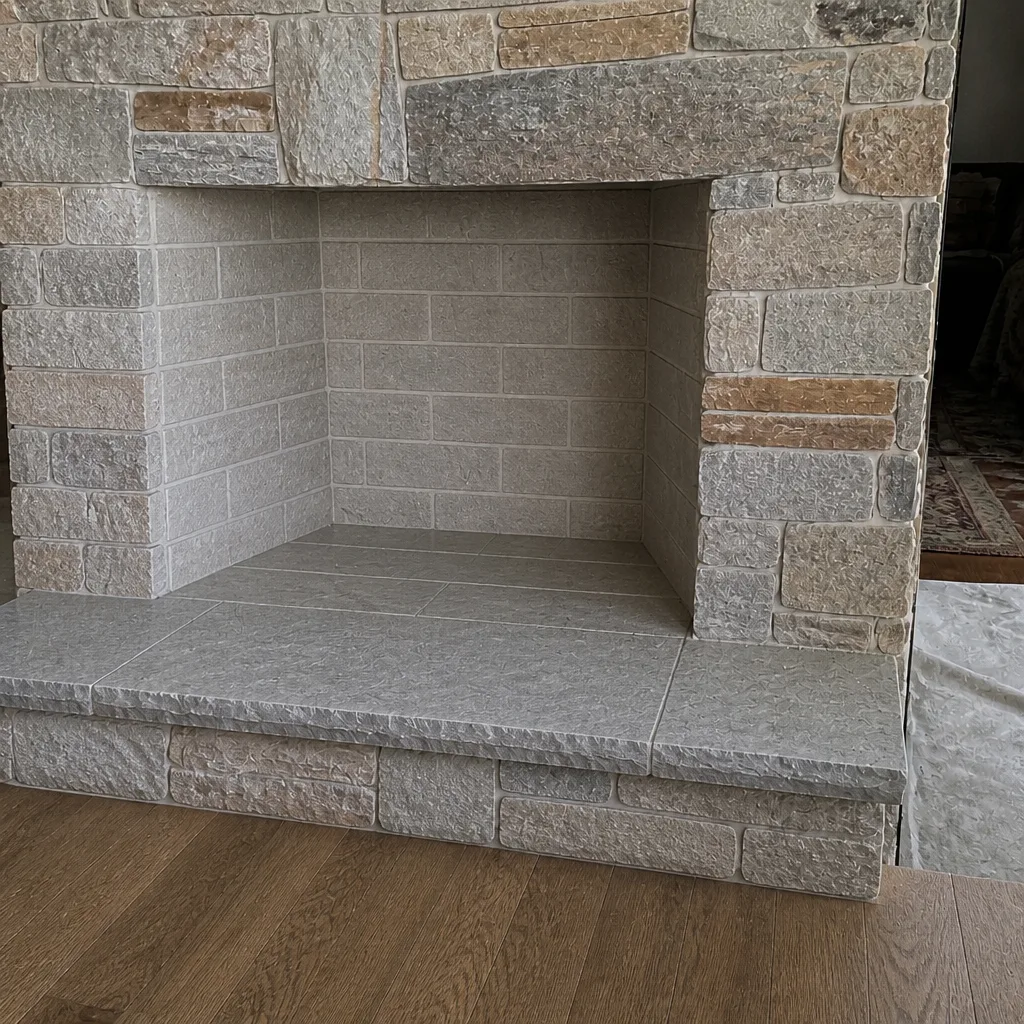 After
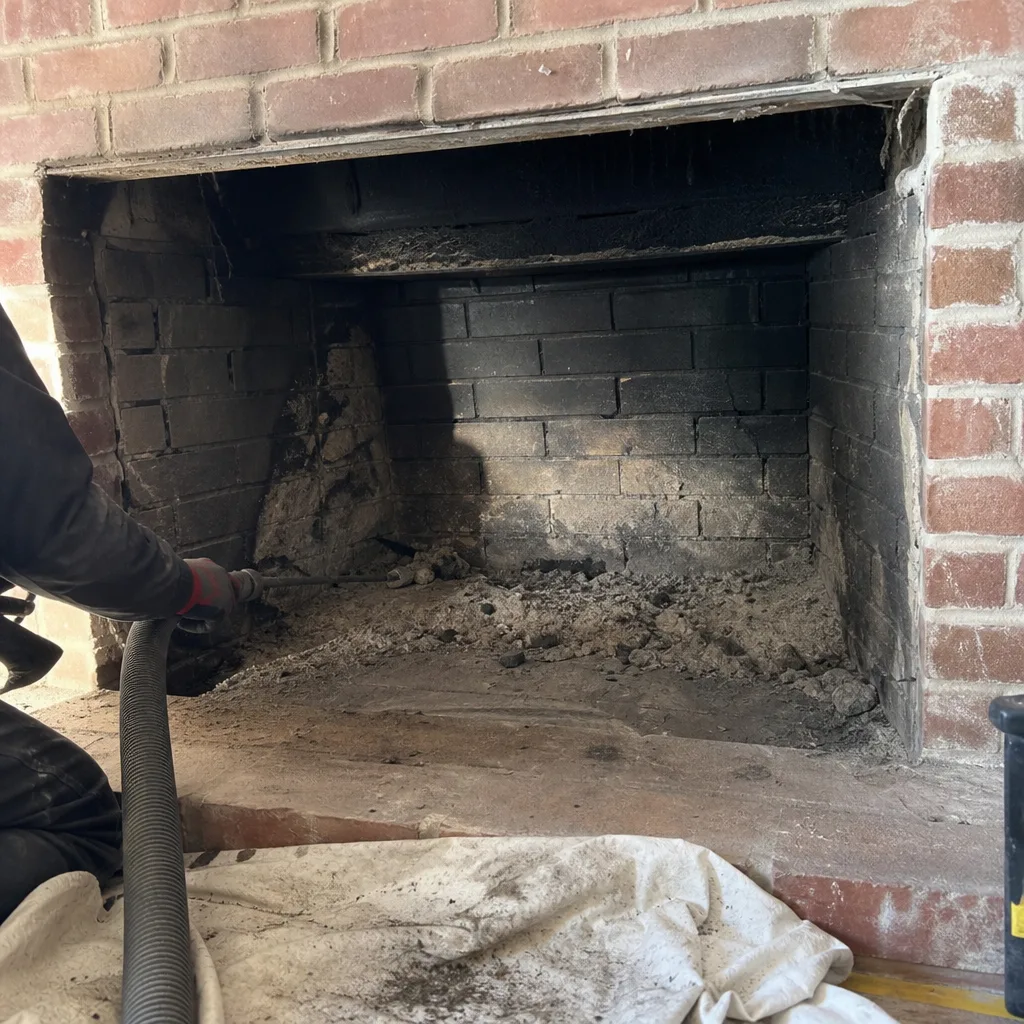 Before
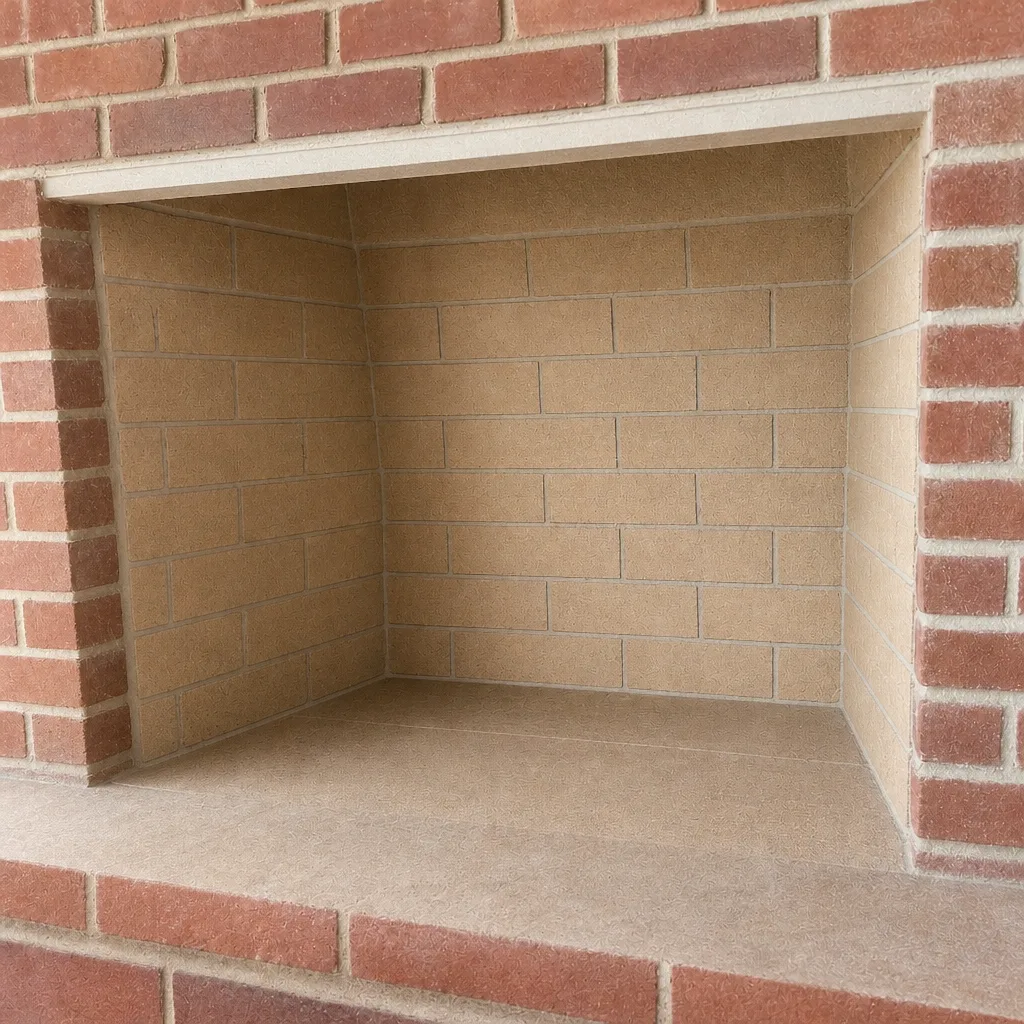 After
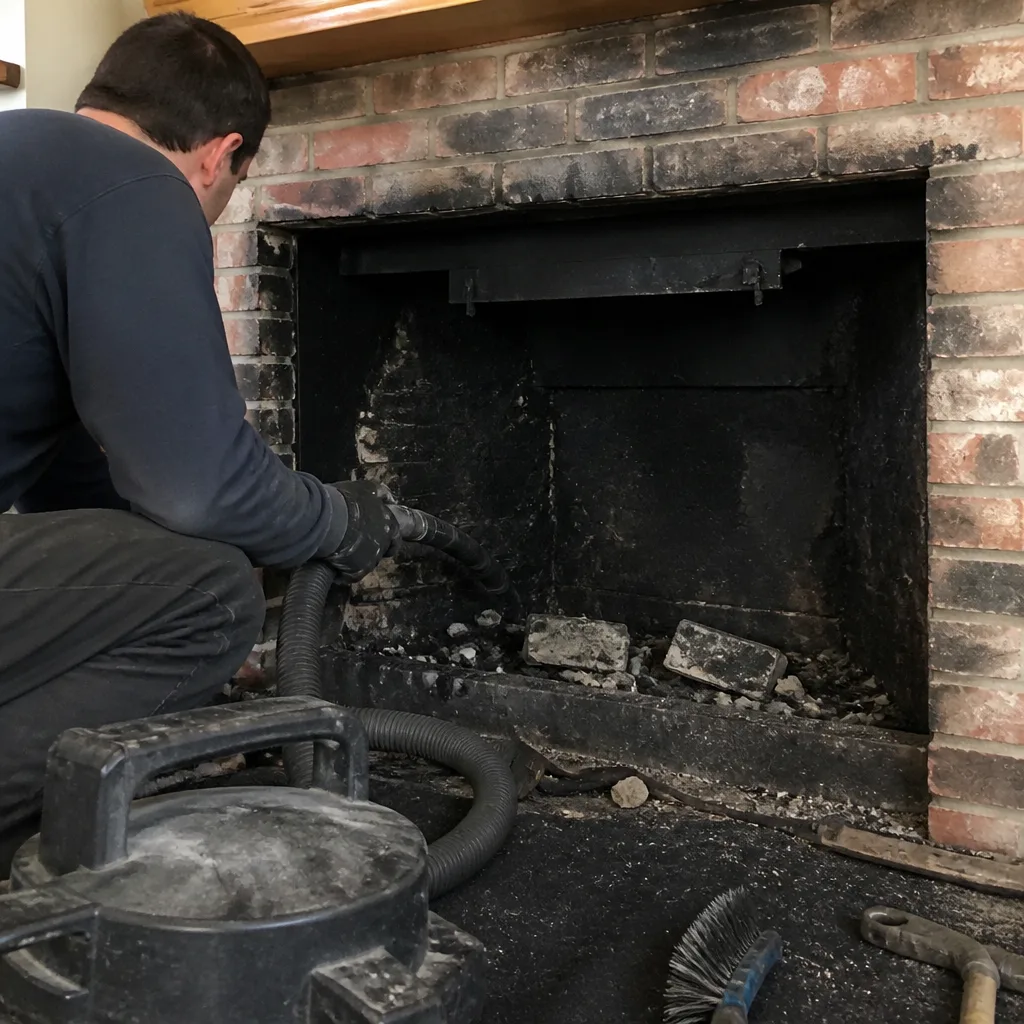 Before
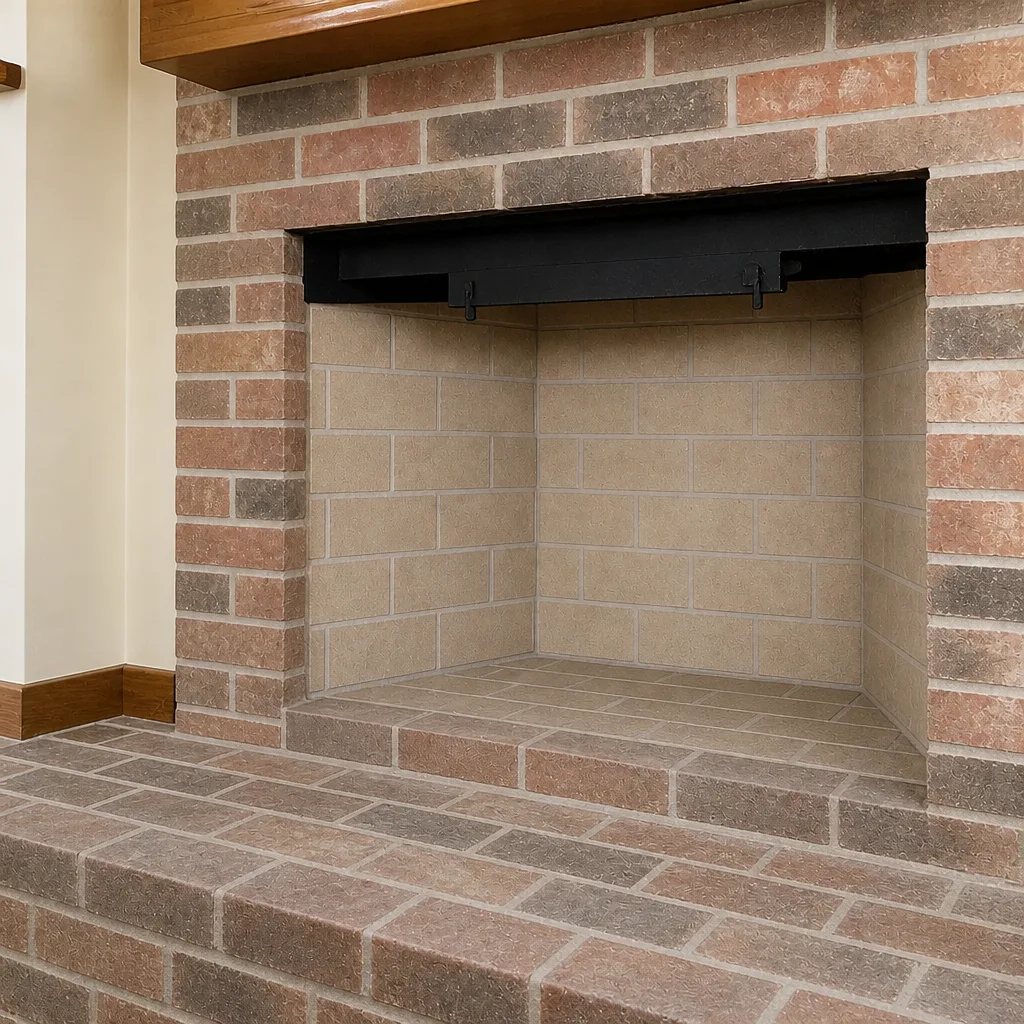 After
When to Call a Professional
Some chimney situations call for a specialist rather than a wait-and-see approach. If you’ve had a chimney fire, however small, call for a Level 2 inspection before you light another fire. If your fireplace or wood stove smokes into the room when you open the door, if you smell a strong odor when the fire is cold, or if you can see loose mortar, cracked tiles or a damaged crown from the ground, those are all signs to get an inspection. If you’ve recently bought a Castle Rock home and don’t know the last time the chimney was swept, book a sweep and inspection as a starting point.
Chimney Sweep Castle Rock offers free estimates in Castle Rock. Call (833) 699-7166. We answer 24/7. Fast dispatch from 7am to 7pm, Sunday through Friday.
Frequently Asked Questions
Most households should have the chimney swept once a year, before the burn season starts. If you burn wood frequently through winter or notice creosote buildup, an additional check partway through the season is worth scheduling. A CSIA-certified technician will tell you what your specific chimney needs based on the inspection.
Most sweeps in the Castle Rock area land in the range of a hundred and change to a couple hundred dollars for a routine cleaning that includes a Level 1 inspection, with pricing depending on the chimney’s condition and access. A written estimate sets the final price, and no work should start without one. Call (833) 699-7166 for an exact quote. Estimates are free.
CSIA certification is voluntary in Colorado, so you don’t legally need to hire a certified technician. But because the state doesn’t license chimney contractors, CSIA is the only third-party credential in the trade that carries real weight. Hiring a certified technician is the single best filter available to you.
A Level 1 inspection covers the readily accessible portions of the chimney and is standard with an annual sweep. A Level 2 inspection adds video camera access to the flue and applies after a chimney fire, a change in fuel type, a home sale or any change to the flue system. Level 3 is reserved for suspected hidden hazards.
Skipping a sweep lets creosote build up and lets small issues like a hairline flue crack or a failing crown go unnoticed for another season. Neither fixes itself, and both get more expensive with time. The point of an annual sweep isn’t the cleaning; it’s the documented inspection that tells you what’s happening in the flue before it becomes a repair.
A legitimate chimney repair quote comes with photo evidence, a written scope and an explanation you can follow. You should be able to see what the technician saw before you say yes to anything. Ask for the report, review the photos and get the estimate in writing. If a contractor can’t provide those, look elsewhere.
Yes. Chimney Sweep Castle Rock offers the full chimney lifecycle under one roof: Chimney Sweep Castle Rock work, inspections, caps and crowns, and structural repairs using professional-grade components from brands like DuraFlex, HeatShield, Gelco and Olympia Chimney. You don’t need to source a second contractor for the repair. Call (833) 699-7166 for an estimate.
The Bottom Line
Hiring a chimney contractor in Castle Rock comes down to verification you can do yourself in about an hour. Check for CSIA certification. Ask the five questions. Confirm the insurance. Read reviews for language about evidence and explanation, not star ratings. Expect a documented inspection with every sweep, and a written report you can review afterward. Price should be understood in the context of what’s included, not on its own. The chimney trade in Colorado is lightly regulated, and that puts the filter in your hands. A chimney-only specialist with the right credentials will answer every question without hesitation. Call (833) 699-7166 for a free estimate. We answer 24/7. Fast dispatch from 7am to 7pm, Sunday through Friday.
Written by the team at Chimney Sweep Castle Rock.