
Last updated November 23, 2026
 Sweep & inspection
 Caps & crowns
 Flue relining
 Masonry repair
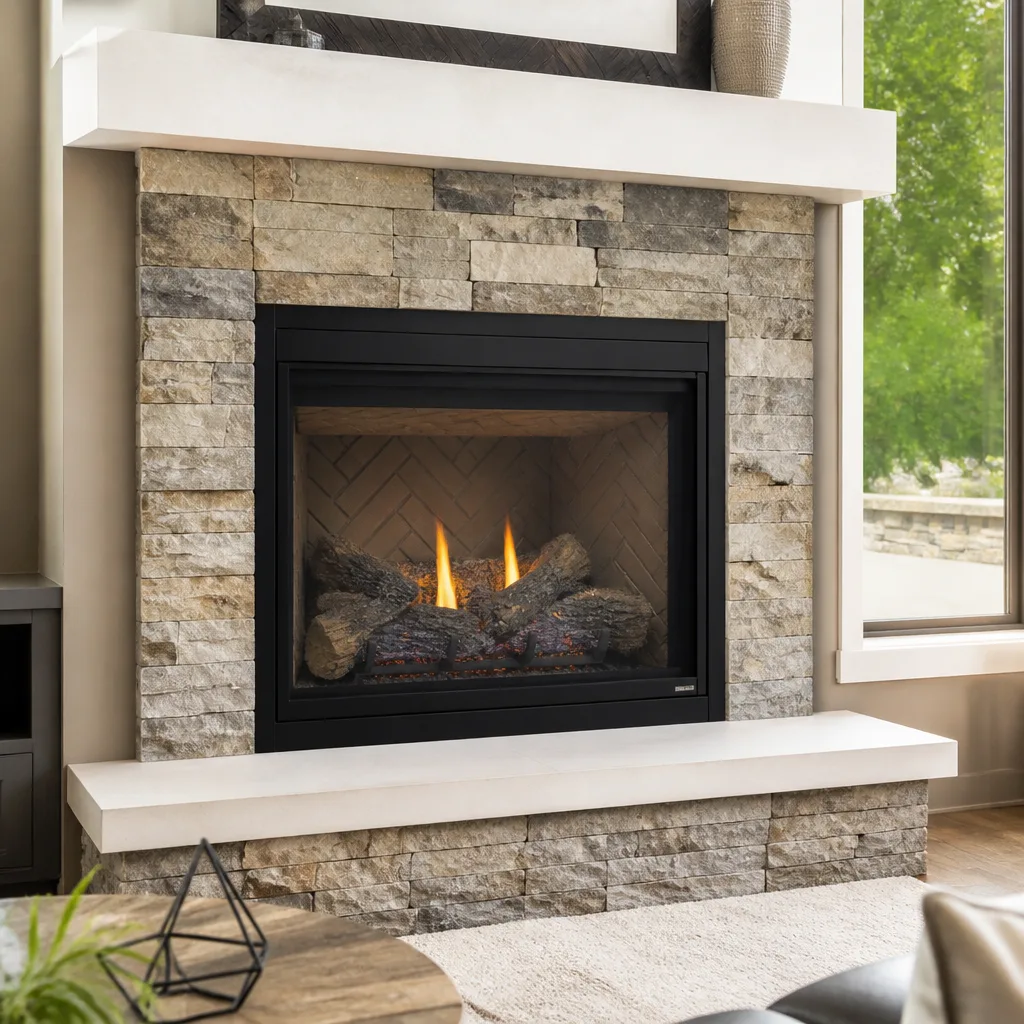 Gas fireplace service
Level 1 sweep and inspection to the NFPA 211 annual standard - flue, crown, cap, and flashing checked and photographed
Chimney sweep logs do not sweep chimneys. They loosen some creosote - which then falls where a brush and vacuum still have to collect it.
Choosing the Right Chimney Cleaning Brand: A Buyer’s Guide for Castle Rock
Two chimney caps sit side by side on a shelf. One is 304 stainless steel, the other galvanized steel painted to look like it. From the ground on installation day, they’re indistinguishable. Five years from now, one will still be doing its job and the other will be rusting through, letting water into your flue. The gap between consumer-grade chimney products and professional-grade equivalents is rarely visible, and that’s exactly the problem. This guide covers the three categories where brand and material specification genuinely affect outcomes on a Castle Rock chimney, which products work for creosote and which don’t, and the questions that separate a specialist from a generalist.
Quick Answer
The chimney brands that matter most are the ones behind your flue liner, your cap, and your crown sealant. Look for stainless steel liners from manufacturers like DuraFlex, HeatShield resurfacing systems for liner restoration, and siloxane-based waterproofers for masonry – not the contractor-grade-looking products sold at big-box retailers. A Castle Rock contractor should be able to name the exact gauge, material, and manufacturer of everything going into your chimney before the first hammer swings.
Styles & brands we work with
- Sweep & inspection
- Caps & crowns
- Flue relining
- Masonry repair
- Gas fireplace service
Table of Contents
- The Three Product Categories Where Brand Choice Actually Matters
- Big-Box Products vs. Contractor-Grade: What the Difference Really Is
- Creosote Removal Products: What Works at Each Stage
- What to Ask a Castle Rock Contractor About Materials
- Waterproofing: Why Siloxane Beats Standard Masonry Sealer
- Flue Liners and Caps: The Grades to Specify
- Common Mistakes to Avoid
- When to Call a Professional
The Three Product Categories Where Brand Choice Actually Matters
Not every product in a chimney system deserves the same scrutiny. A brush is a brush. But three categories sit directly between your household and either a fire hazard or a water-damage problem, and in those three, the difference between a professional-grade product and a shelf-grade substitute shows up in safety outcomes.
1. Flue liners
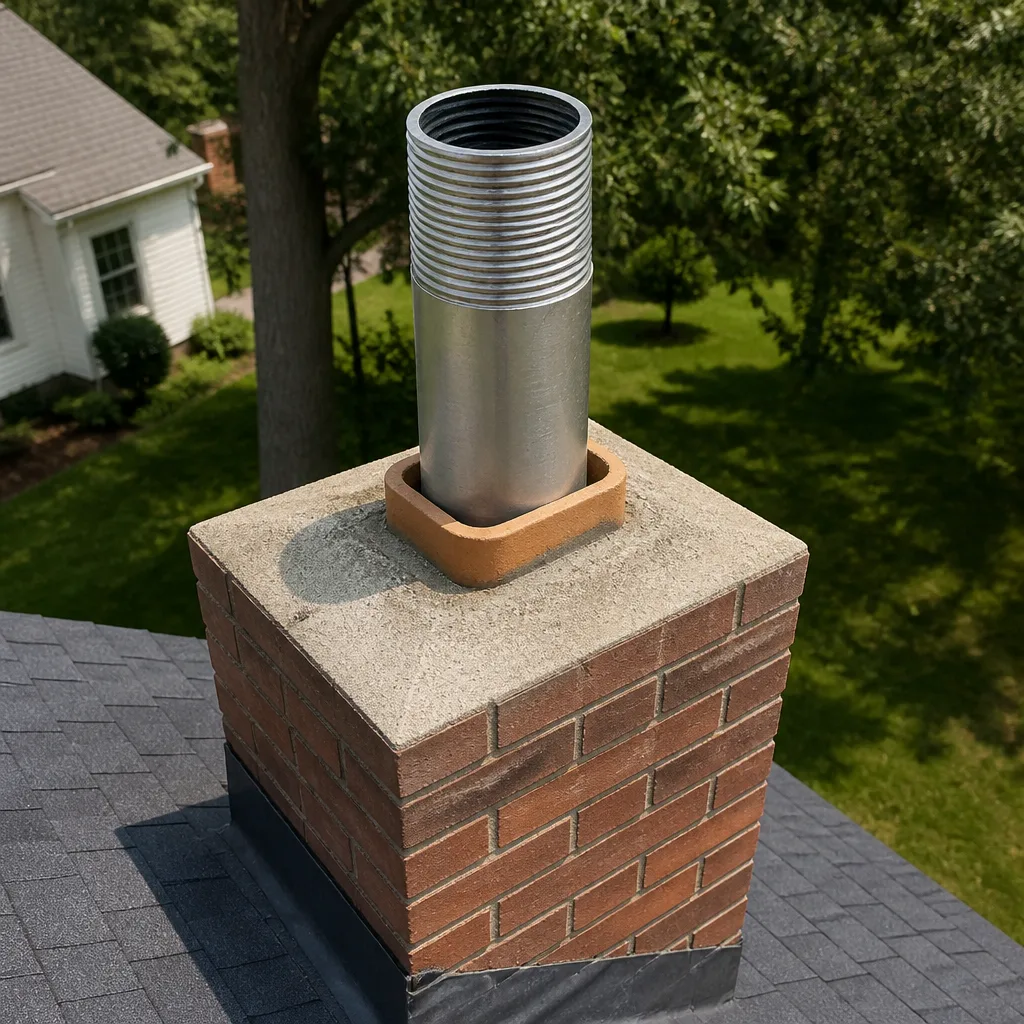
The liner is the barrier between combustion gases and the wood framing around your chimney. Clay tile has been the standard for decades, but aged tile cracks, and when it does, the flue is no longer containing what it should. Stainless steel flexible liner systems like DuraFlex exist for the chimneys rigid installers turn away – offsets, odd angles, oversized flues. The gauge of the steel, the wall thickness, and the alloy all determine how long the liner lasts under repeated heating and cooling.
2. Chimney caps
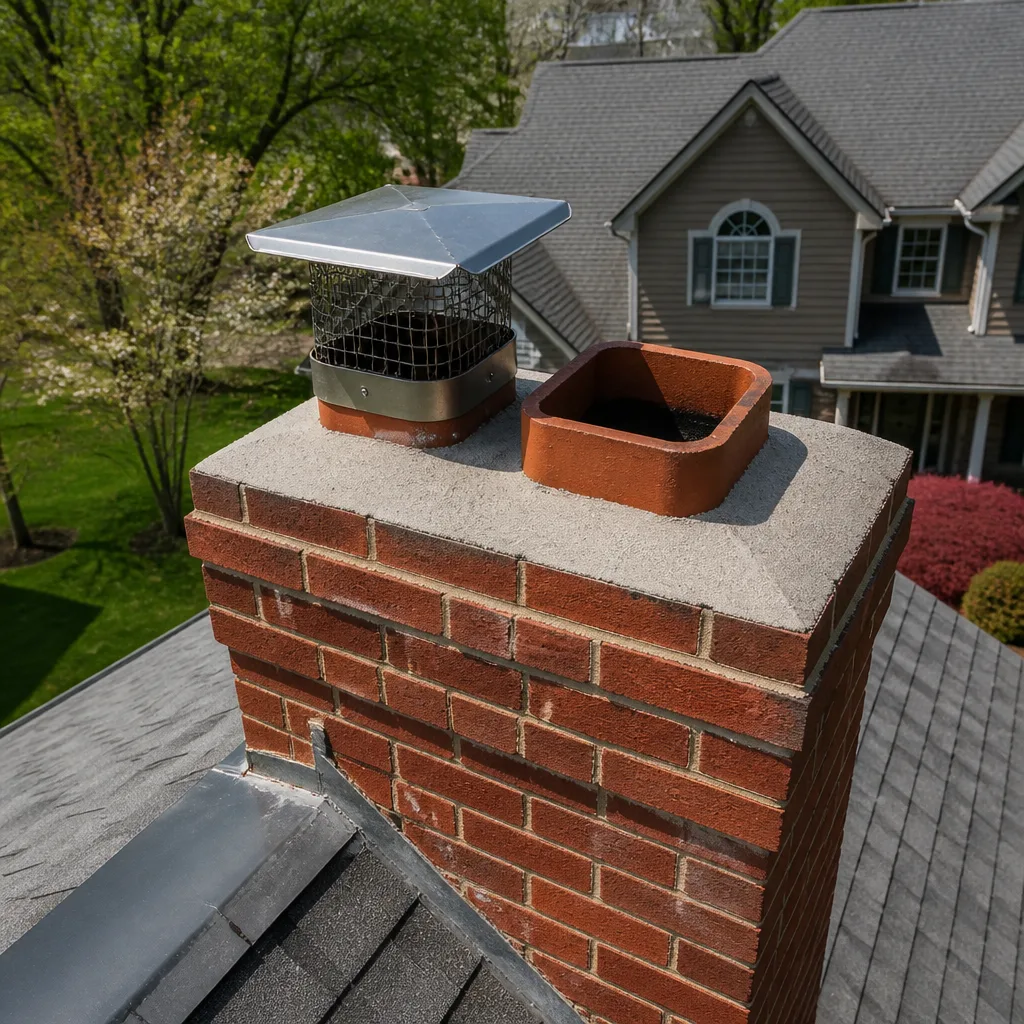
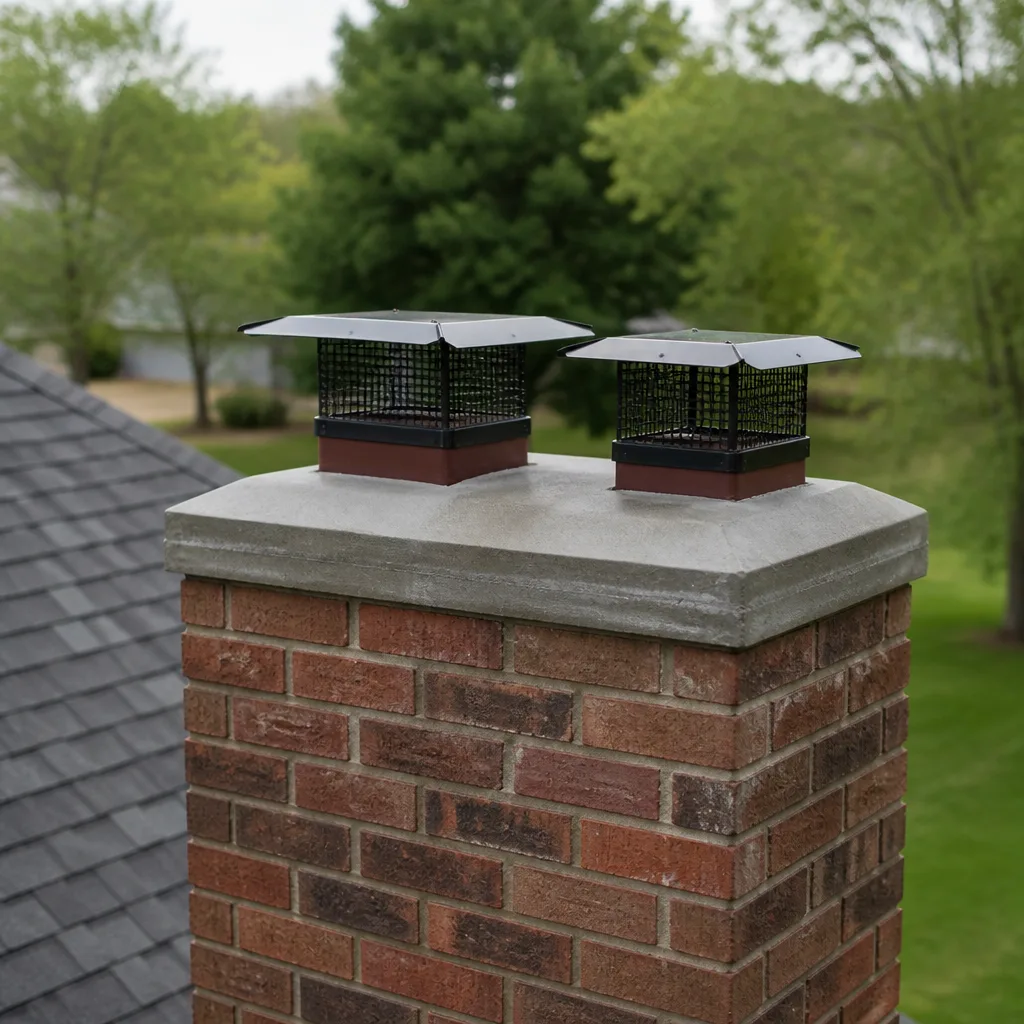
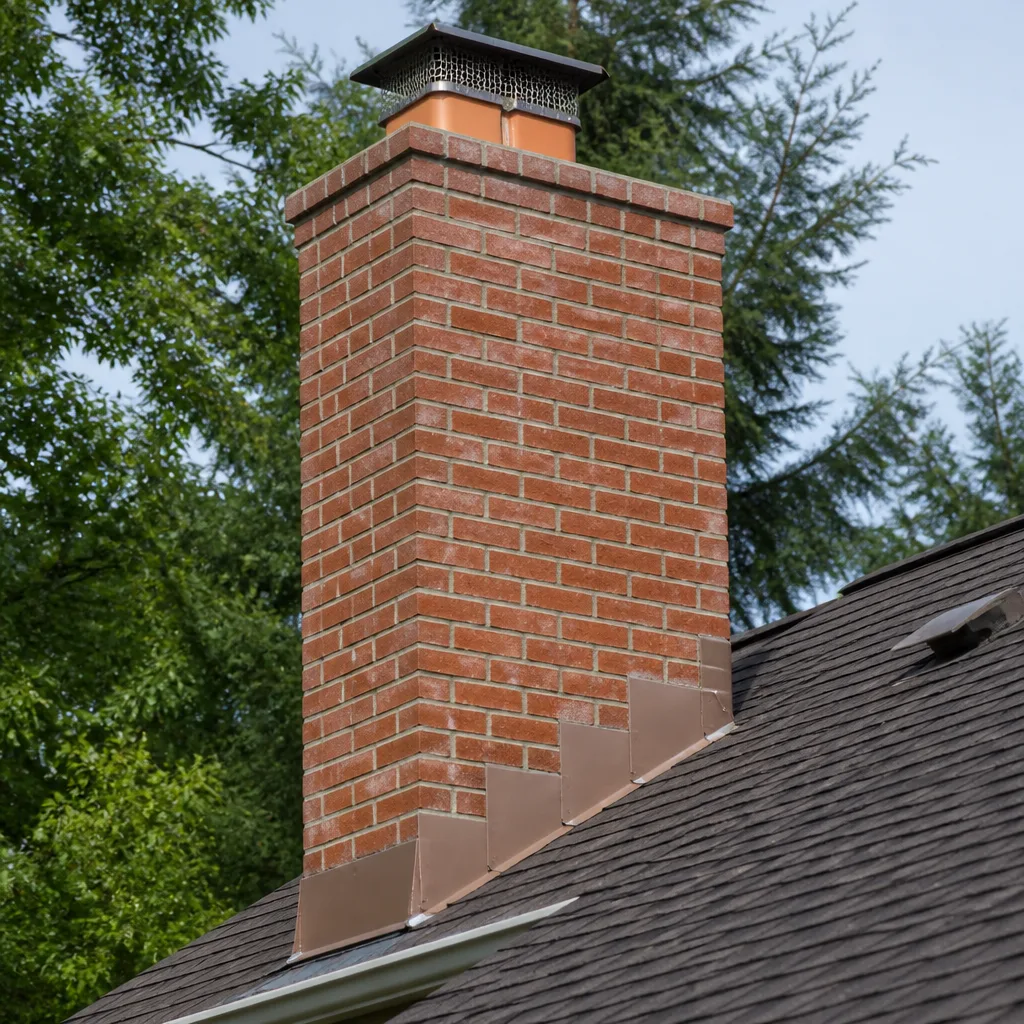
A cap is a roof over your flue. It keeps rain, snow, birds, and debris out, and it prevents downdrafts. Stainless steel holds up. Galvanized steel, which costs less and looks the same on installation day, begins rusting, and once the cap fails it stops blocking water at the exact point where water does the most damage. A cap is also the component most exposed to Castle Rock’s hail, which is another reason the material specification is not a minor detail.
3. Crown sealants
The crown is the concrete slab on top of the chimney. It sheds water away from the masonry below. Standard mortar cracks as it moves with freeze-thaw cycles, and flexible crown sealants are formulated to expand and contract without splitting. The difference between a crown that lasts and one that cracks within a few winters comes down to product flexibility, and that’s a brand-and-formulation question, not an installation technique question.
If you want the full picture of how these categories fit together, start with our Chimney Sweep Castle Rock overview, which lays out how an inspection moves through each part of the system.
Big-Box Products vs. Contractor-Grade: What the Difference Really Is
Hardware stores sell chimney caps, crown patch, and mortar in a tube. None of it is necessarily defective. The problem is that consumer packaging is designed for the shelf, not for Castle Rock’s climate, and the formulations reflect that. Here’s how we see the difference play out on local chimneys.
- Freeze-thaw cycling. Castle Rock sits in a zone where winter nights drop well below freezing and daytime sun warms south-facing masonry back above it. That cycle repeats dozens of times a season, and it flexes every joint in the system. Rigid consumer patching products crack under that movement. Flexible professional formulations are built for it.
- Hail exposure. The Front Range gets hail, sometimes large enough to dent metal. A stamped aluminum cap from a consumer aisle deforms and separates at the seams. Heavier-gauge stainless holds its shape and keeps its seal.
- UV and moisture combination. Sealers that perform in dry climates fail quickly when water sits on a horizontal surface and the sun hits it. Professional masonry waterproofers are formulated for exactly that combination.
- Coverage and cure expectations. Consumer products often assume a clean, warm, dry surface. Real chimney work happens in wind, at height, on a rough substrate. Contractor-grade products specify surface prep and cure conditions the technician can actually meet.
None of this means every homeowner needs the most expensive option in every category. It means the specification should be a deliberate choice made by someone who can explain why that grade fits your chimney, your exposure, and your budget.
Creosote Removal Products: What Works at Each Stage
Creosote is the residue of incomplete combustion, and it builds up in stages. The stage matters more than the product label, because a chemical that helps at one stage does nothing at the next. Understanding the stages tells you what a sweep can actually work with and what it can’t.
Stage 1: Soot and light flaky deposit
This is the earliest buildup – soft, brushing away readily. A standard sweep removes it without any chemical help. No product is necessary at this stage. Regular brushing is the answer.
Stage 2: Hardened crust
This deposit sticks to the flue walls and resists a brush. Professional-grade creosote-softening products, applied before a sweep, can loosen the crust so the brush can remove it completely. These are the legitimate sweeping aids: they exist to make mechanical removal more effective, and that’s how they should be described.
Stage 3: Glazed creosote
This is the hardest form, a shiny, tarry coating that bonds tightly to the liner. It burns at high temperatures and is the stage most associated with chimney fires. No chemical dissolves glazed creosote safely in place. In practice, stage 3 deposits are addressed by mechanical means or, in severe cases, by relining or restoring the flue with a system like HeatShield.
A note on fire-prevention marketing
Some products in this space are sold with the suggestion that regular use reduces fire risk. That claim is not supported by evidence. Chemical products can help loosen a deposit so it can be swept. They do not clean a chimney, and they do not make glazed creosote safe. Treat any product marketed that way with skepticism. A professional chimney sweep relies on mechanical removal and inspection, not chemistry as a substitute.
What to Ask a Castle Rock Contractor About Materials
The best signal of a qualified contractor is not what they say about themselves. It’s whether they answer material questions without hesitation, with specifics. If you ask about a liner gauge and get a vague answer, that’s information. Here are the questions we think every Castle Rock homeowner should ask before any repair work begins.
- What gauge and alloy is the liner? A stainless liner should have a stated gauge and alloy type. If the contractor can’t tell you, they’re not specifying it.
- What mortar type are you using for the crown and the masonry? Different repair locations call for different mortar formulations – the wrong one is brittle or too soft for the application.
- What material is the cap – stainless, aluminum, or galvanized? There’s a right answer for your exposure, and the contractor should be able to explain why they chose it.
- Is the waterproofing siloxane-based, or a surface sealer? These behave very differently on brick. More on that below.
- Can you show me the product documentation or the manufacturer label? Professional-grade brands like Gelco and Olympia Chimney print specification sheets for exactly this reason. A specialist can produce them.
- Will you photograph the condition before and after? Material choice is easier to evaluate when you can see what was there and what replaced it.
A contractor who has worked only in the chimney trade will answer these easily. A generalist rotating through gutters and HVAC will often deflect to “we use quality materials,” which is not an answer. Our chimney repair page goes deeper on how the repair process itself runs once materials are settled.
Waterproofing: Why Siloxane Beats Standard Masonry Sealer
This is the product category where the wrong choice does active harm. A standard masonry sealer sits on the surface of brick, filling pores and forming a film. It looks like protection. On a Castle Rock chimney, it can make things worse.
The problem with film-forming sealers
Brick needs to breathe. Water vapor inside the masonry needs a path out. A film-forming sealer blocks that path, so moisture trapped inside the brick pushes outward as it freezes, and the face of the brick flakes away. That’s spalling, and it’s the leading cause of brick deterioration on Front Range chimneys. A “protective” sealer that traps moisture accelerates the exact damage it was meant to prevent.
How siloxane waterproofers work differently
Siloxane-based waterproofers penetrate the brick and line the pores rather than capping them. Water from rain and snow beads off the surface, but vapor can still escape from inside. That combination – exterior water out, interior vapor out – is what a freeze-thaw climate requires. In our experience, this is the single most mis-specified product category on local chimneys, because both types of product come in similar-looking containers and both claim to waterproof masonry.
The distinction matters more in Castle Rock than in milder climates because of how many freeze-thaw cycles the masonry sees. Poorly specified sealers accumulate damage over multiple winters.
Flue Liners and Caps: The Grades to Specify
When a liner or cap is being replaced, the specification is where the long-term outcome gets decided. Brand names are a shorthand for a specification history, and the ones we work with are the ones certified professionals specify as a matter of course.
Liner specification
- Stainless steel flexible systems for complex chimney layouts – offsets, angles, and aged flues that rigid liners won’t accommodate. DuraFlex systems are the kind of product specified for these.
- Liner resurfacing for flues where the existing liner is deteriorated but structurally present. HeatShield resurfacing restores the flue from the inside without full demolition, a repair general contractors can’t typically perform.
- Insulation around the liner where the flue clearance requires it, which affects how the liner performs in cold weather.
Cap specification
- Stainless steel construction with a stated gauge, corner fasteners rather than crimped seams, and a mesh screen sized to exclude animals without restricting draft.
- Correct sizing to the flue’s outside dimensions, since an undersized cap that sits loose can shift in wind and allow water intrusion at the edges.
- Proper mounting hardware rather than adhesive or friction fit, because a cap that lifts off in a storm leaves the flue open.
Brands like Olympia Chimney make caps and related components for exactly this kind of specification. When a Castle Rock contractor tells you which brand and grade they’re installing before the job begins, that’s a good sign. When they can’t, the safest move is to ask why. Our fireplace repair page covers how these components tie into the firebox and damper system.
Common Mistakes to Avoid
- Buying a cap from a hardware store because it looks the same. It won’t look the same after a few Castle Rock hail seasons. Stainless holds its shape; galvanized rusts and deforms.
- Using a standard masonry sealer on brick. Film-forming sealers trap moisture and accelerate spalling in freeze-thaw climates. Ask specifically for siloxane-based waterproofing.
- Treating a creosote chemical as a substitute for a sweep. Softeners help a sweep loosen stage 2 deposits. They don’t clean the flue, and they don’t touch stage 3 glazed creosote.
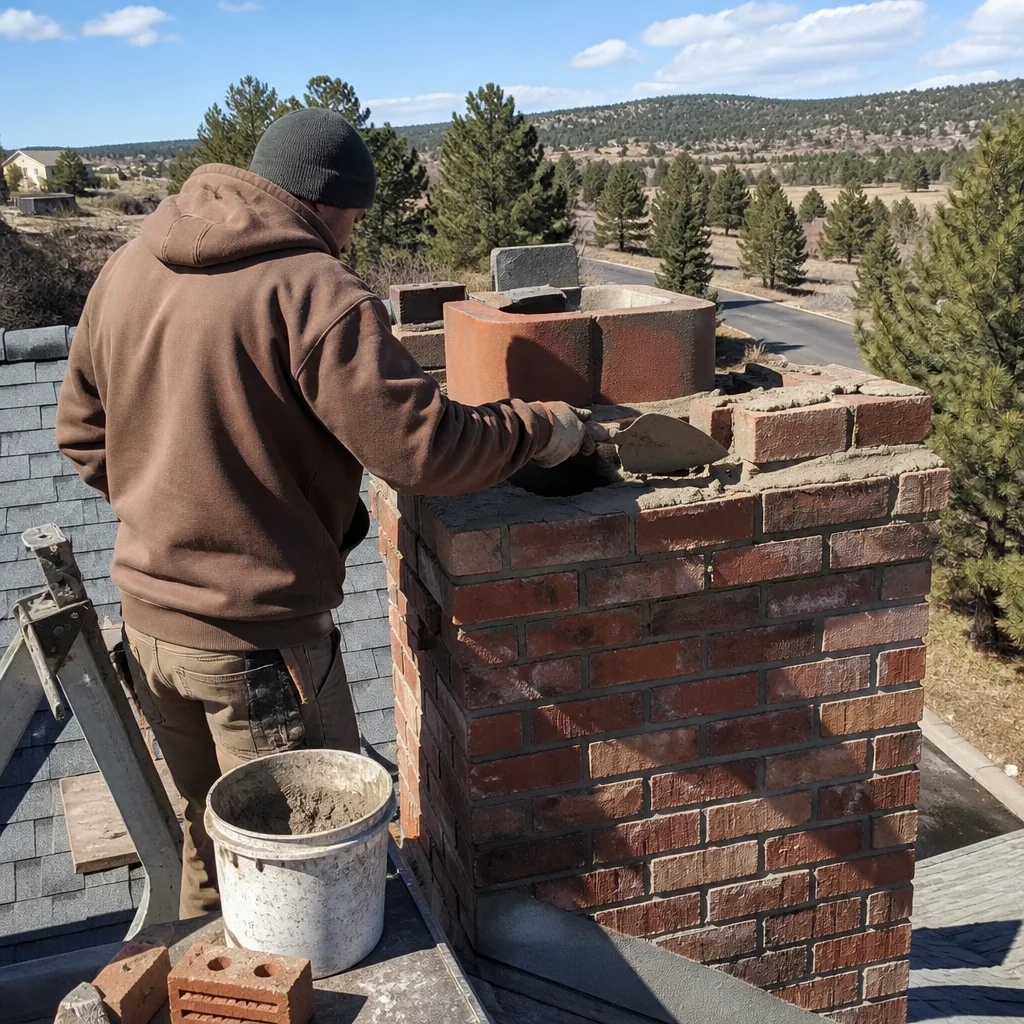
- Assuming any contractor who quotes chimney work is a chimney specialist. Generalists often specify hardware-store materials because those are what they know. Ask whether chimney work is all they do.
- Skipping the inspection before authorizing repair. Liner and crown recommendations should be backed by visible evidence – photos or a camera view – not a verbal assessment. If the evidence isn’t offered, ask for it.
- Letting a small crown crack stay open through winter. Water gets in, freezes, and widens the crack. A minor crown repair in fall can become structural masonry work by spring.
- Choosing a sealer or crown product based on the container’s design. Packaging tells you nothing about the formulation. The manufacturer’s specification sheet does.
When to Call a Professional
Some chimney products are genuinely consumer-applicable – a screen, a top-mount damper, a can of touch-up paint. The moment the work involves height, heat, or structural material, the calculation changes. Call a professional when:
- Your liner is cracked, flaking, or missing tiles, since relining is a structural procedure.
- The crown is cracked, crumbling, or separating from the flue.
- You’re seeing glazed, shiny creosote on the liner walls, which requires mechanical removal and possibly resurfacing.
- Your chimney cap is loose, damaged, or rusted through.
- You’re about to waterproof the masonry and aren’t certain which product is correct.
Sweeping, liner work, and crown repair all belong in the hands of trained technicians. Our technicians have up to 9 years of experience with these systems, and we specify manufacturer-grade components on every cap, liner, and crown installation. Chimney Sweep Castle Rock offers free estimates in Castle Rock – call (833) 699-7166. We answer 24/7. Fast dispatch from 7am to 7pm, Sunday through Friday.
Frequently Asked Questions
They don’t perform the same. Stainless steel caps last through hail and freeze-thaw cycles; galvanized caps rust through in a handful of years. The material grade determines the lifespan, and the grade isn’t visible from the ground once installed.
No, and legitimate products in this category don’t claim otherwise. Chemical softeners can loosen stage 2 deposits so a brush removes them more effectively. They don’t clean the flue, and no product safely removes stage 3 glazed creosote in place.
It’s often worse than nothing. Film-forming sealers trap moisture inside brick, and when that moisture freezes, it flakes the brick face off. Siloxane-based waterproofers penetrate the pores instead of capping them, which lets vapor escape while keeping rain and snow out.
Ask for the stainless alloy and the gauge of the steel. If your existing liner can be restored rather than replaced, ask about HeatShield resurfacing, which restores a deteriorated flue without full demolition. A specialist should be able to quote both options and explain which fits your flue.
Ask your material questions and see how they answer. A specialist will name the liner gauge, the mortar type, and the cap material without hesitation, and can usually produce manufacturer documentation. A generalist will often give general assurances, because the specification isn’t part of their normal process.
Annual inspection is the baseline, with sweeping as needed based on how much creosote accumulates. Product choices for your liner and cap don’t change sweeping frequency, but the wrong waterproofing or cap material shortens the lifespan of what you’re protecting, so getting the materials right matters between sweeps.
The Bottom Line
Chimney products look interchangeable and aren’t. The three categories that affect safety outcomes most – liners, caps, and crown sealants – are exactly where the specification gap between consumer-grade and professional-grade products is widest. For Castle Rock’s freeze-thaw and hail exposure, that gap shows up in a handful of winters. Ask your contractor for the gauge, the alloy, the mortar type, and the sealer formulation before the work begins, and expect a straight answer. Brands like DuraFlex, HeatShield, Gelco, and Olympia Chimney exist because certified professionals specify them nationwide. When those are the names on the documentation, the specification was a deliberate choice rather than a trip to the shelf.
Call Chimney Sweep Castle Rock at (833) 699-7166 for a free estimate. We answer 24/7. Fast dispatch from 7am to 7pm, Sunday through Friday.
Written by the team at Chimney Sweep Castle Rock.
See the difference
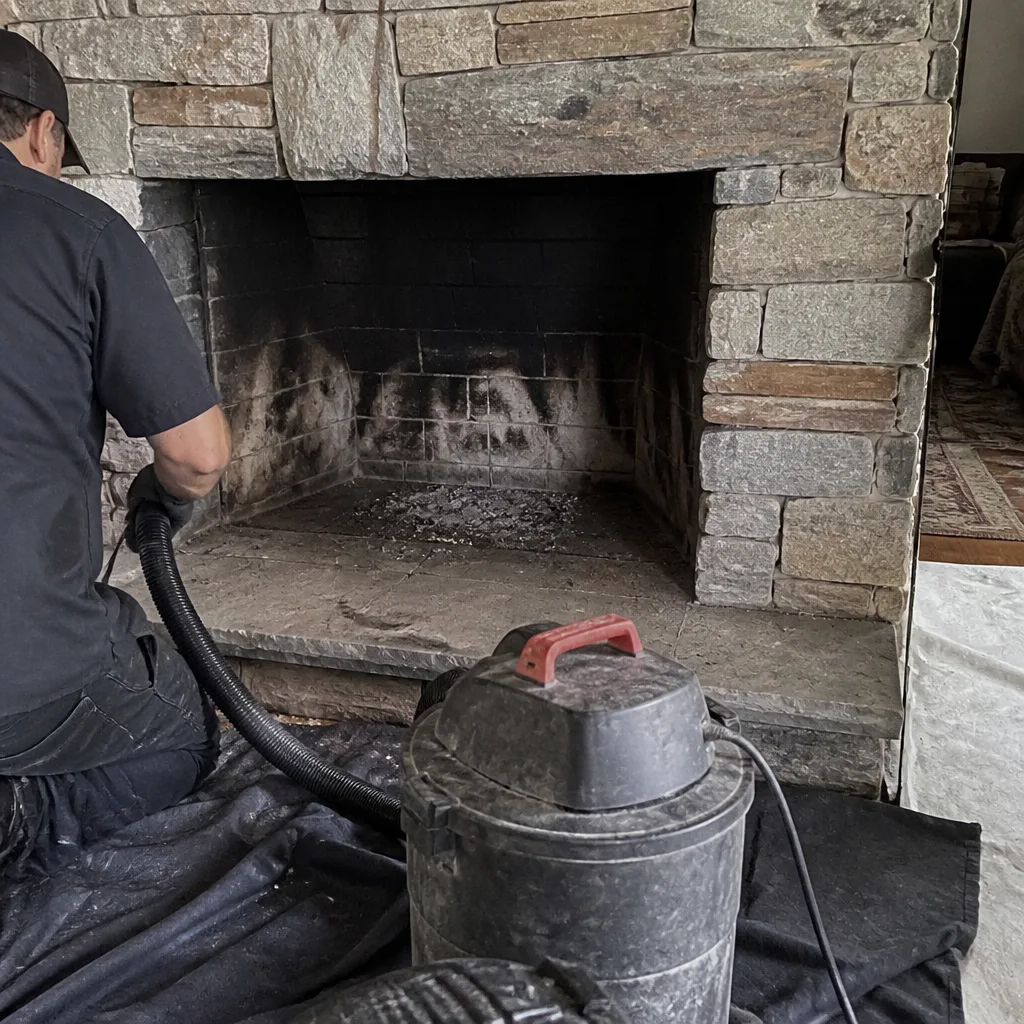 Before
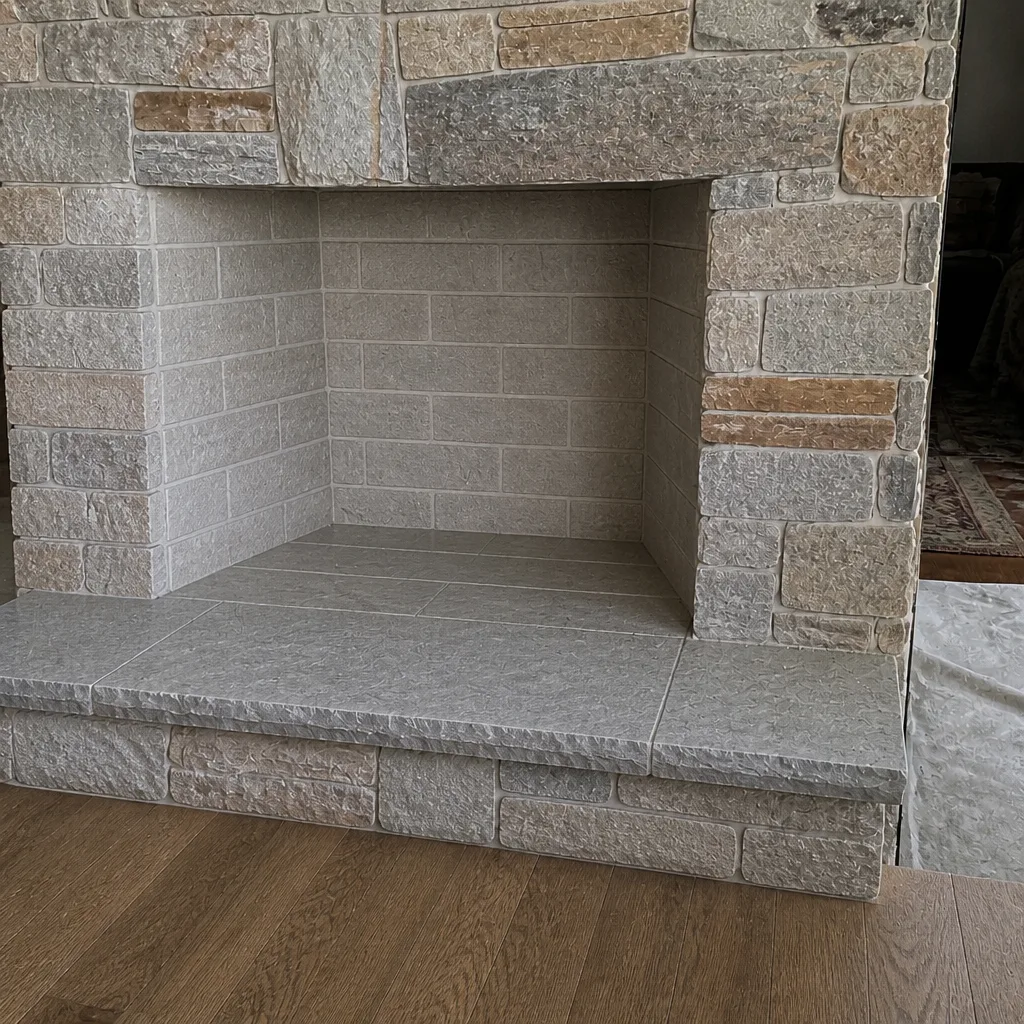 After
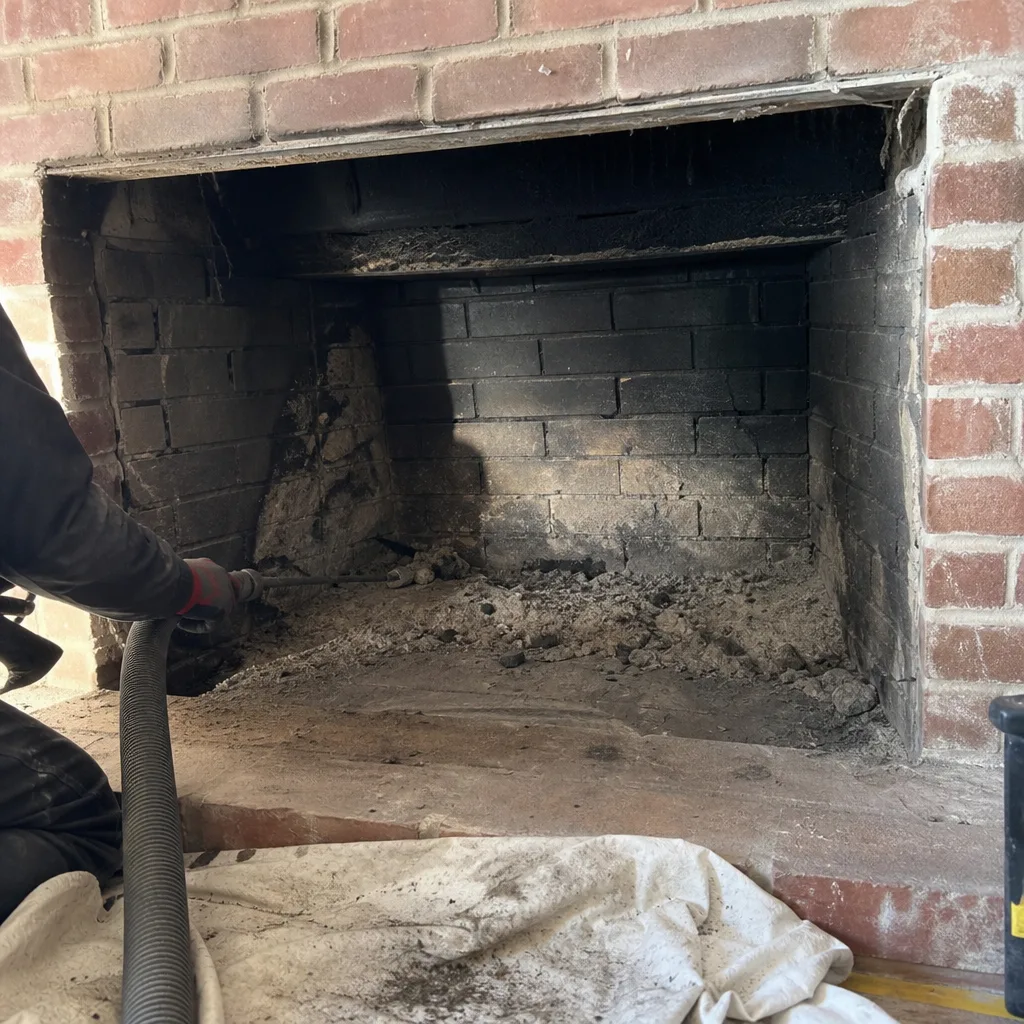 Before
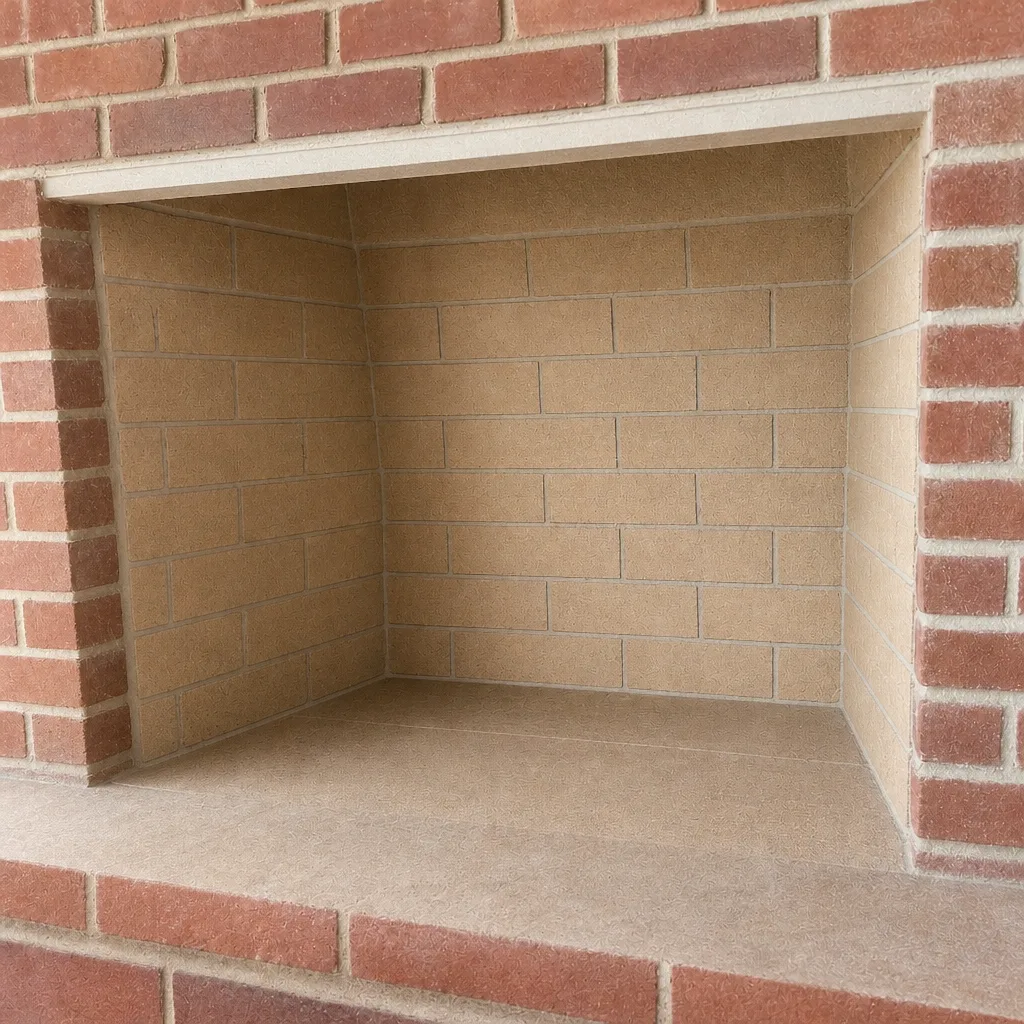 After
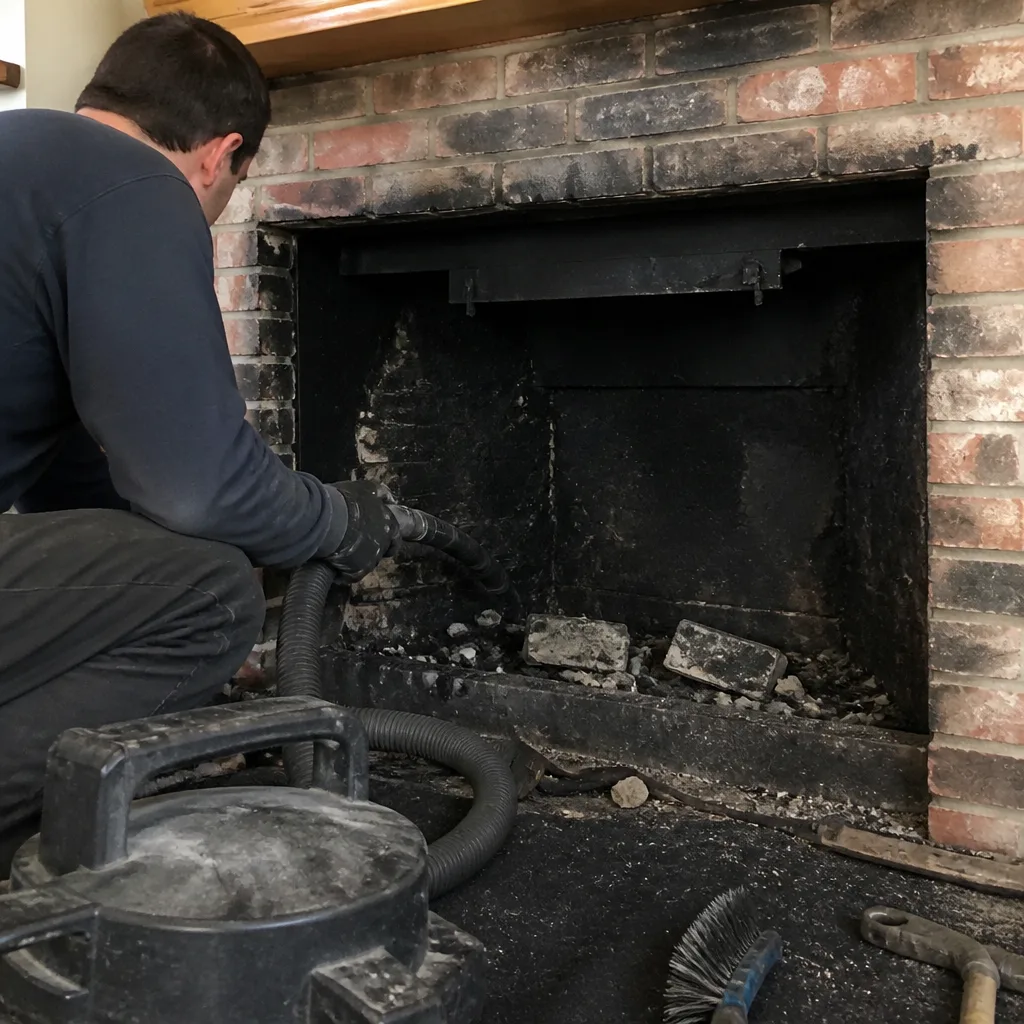 Before
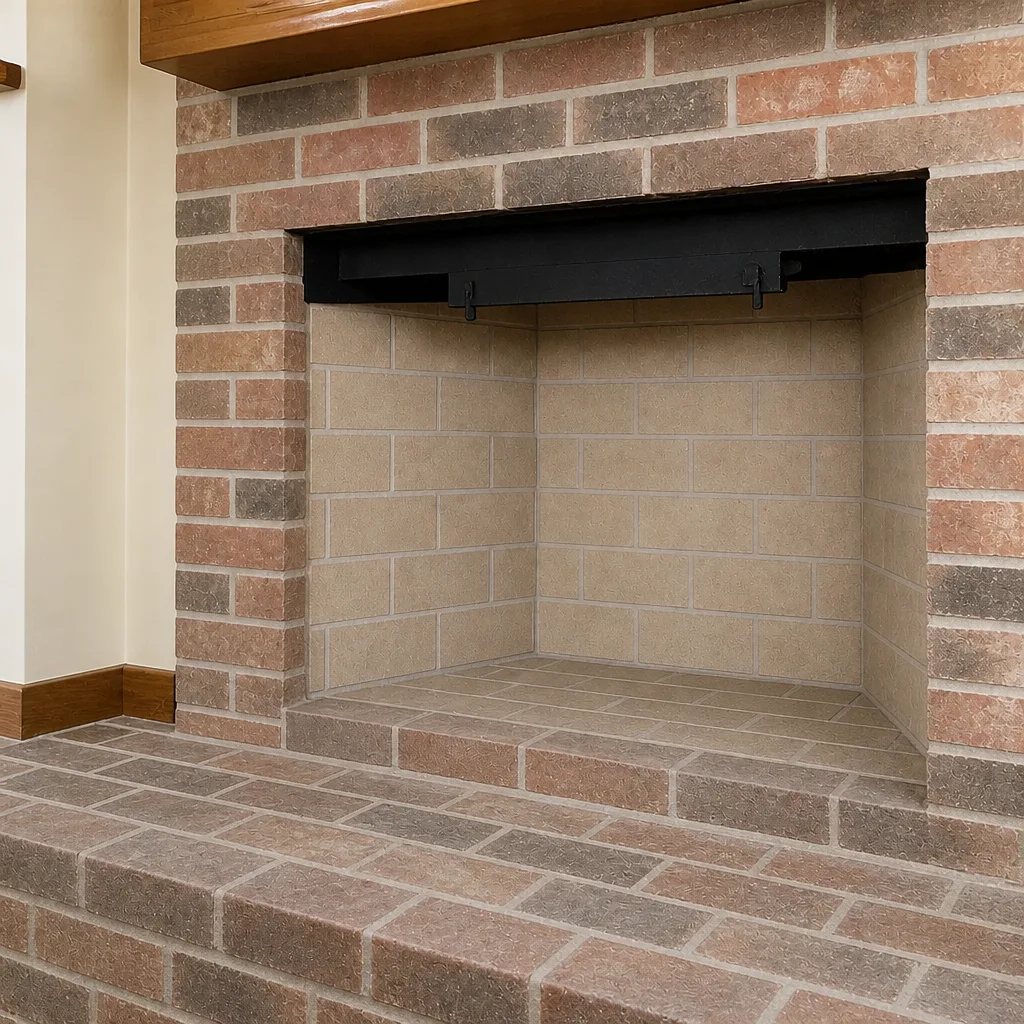 After