
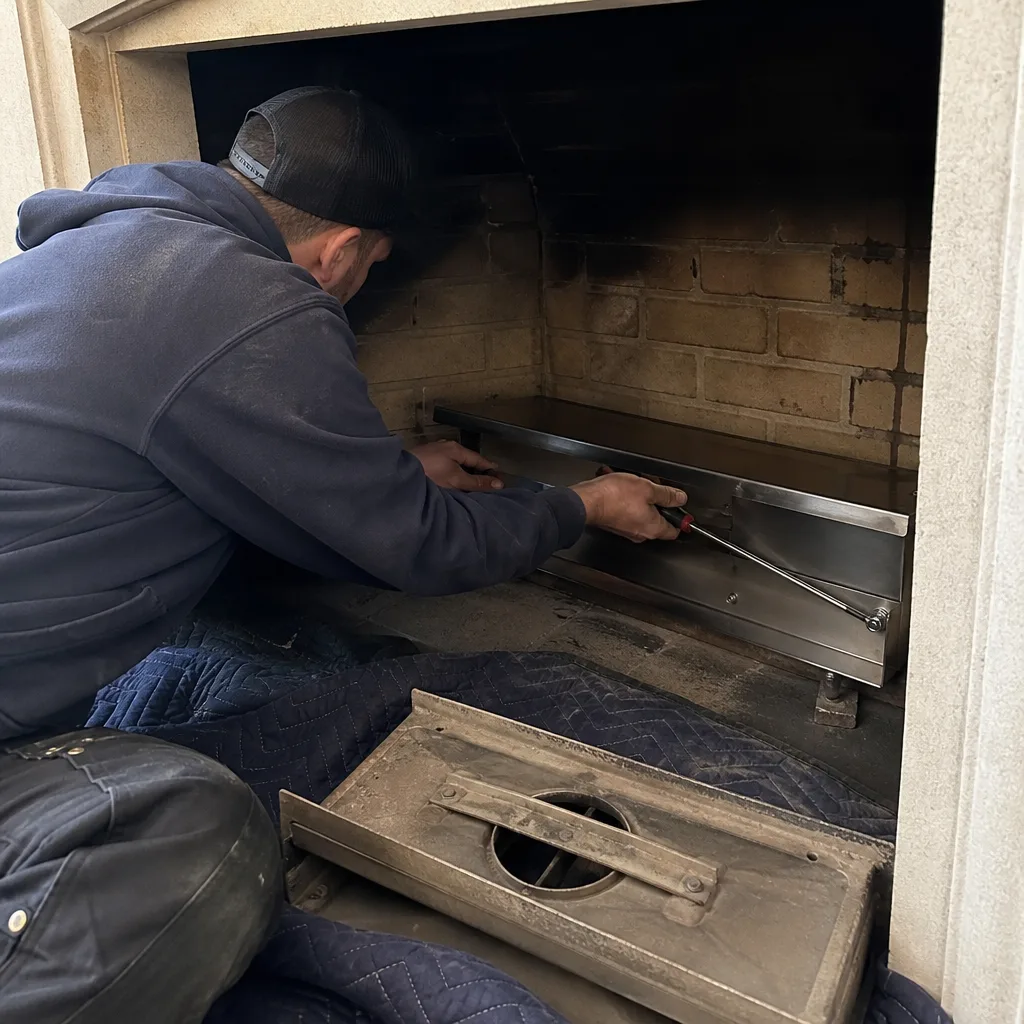
Last updated November 23, 2026
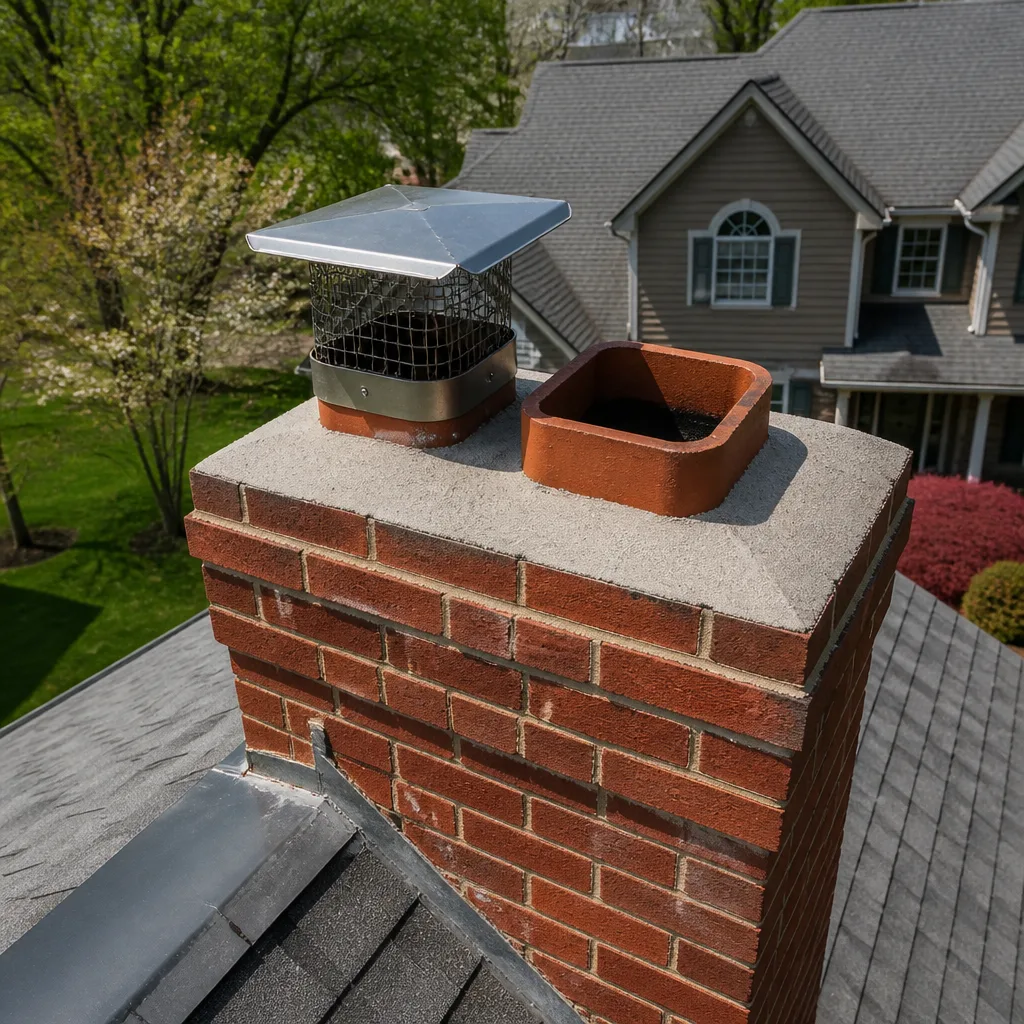 Sweep & inspection
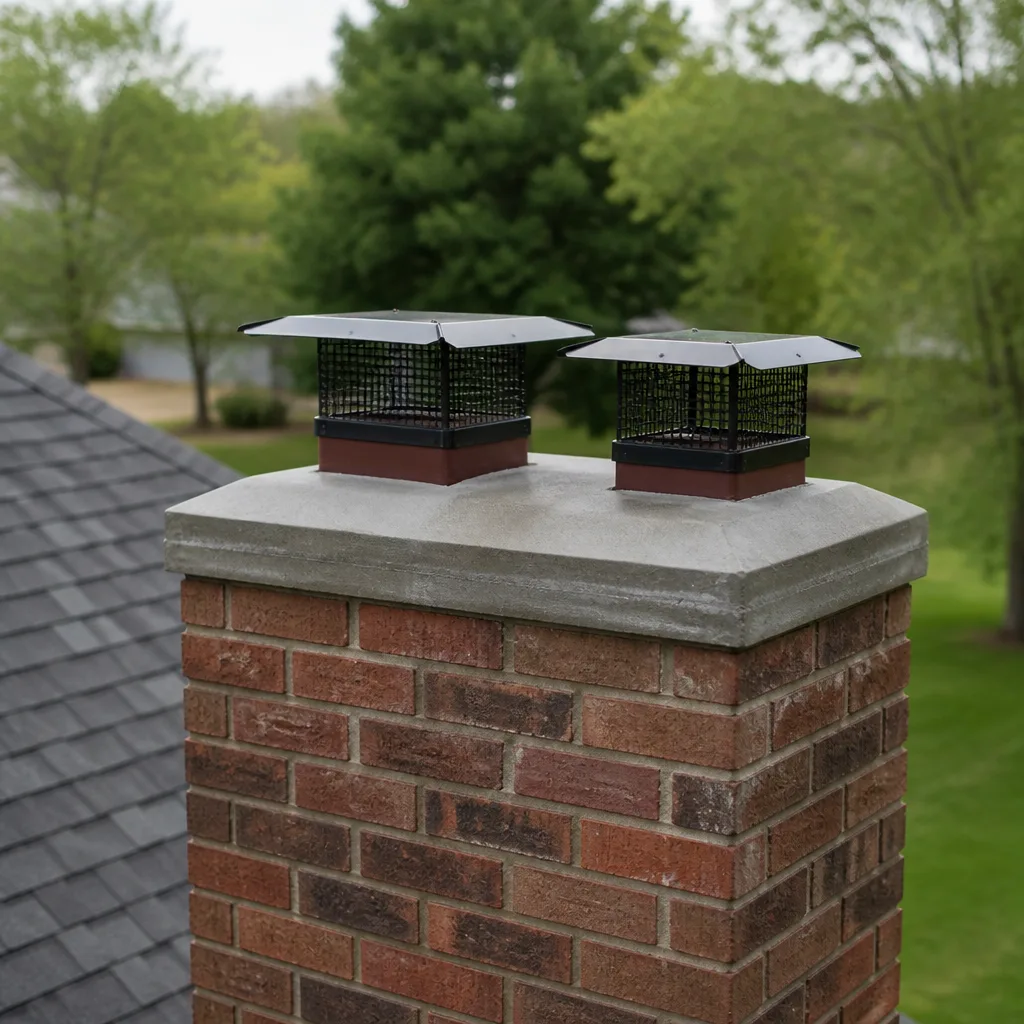 Caps & crowns
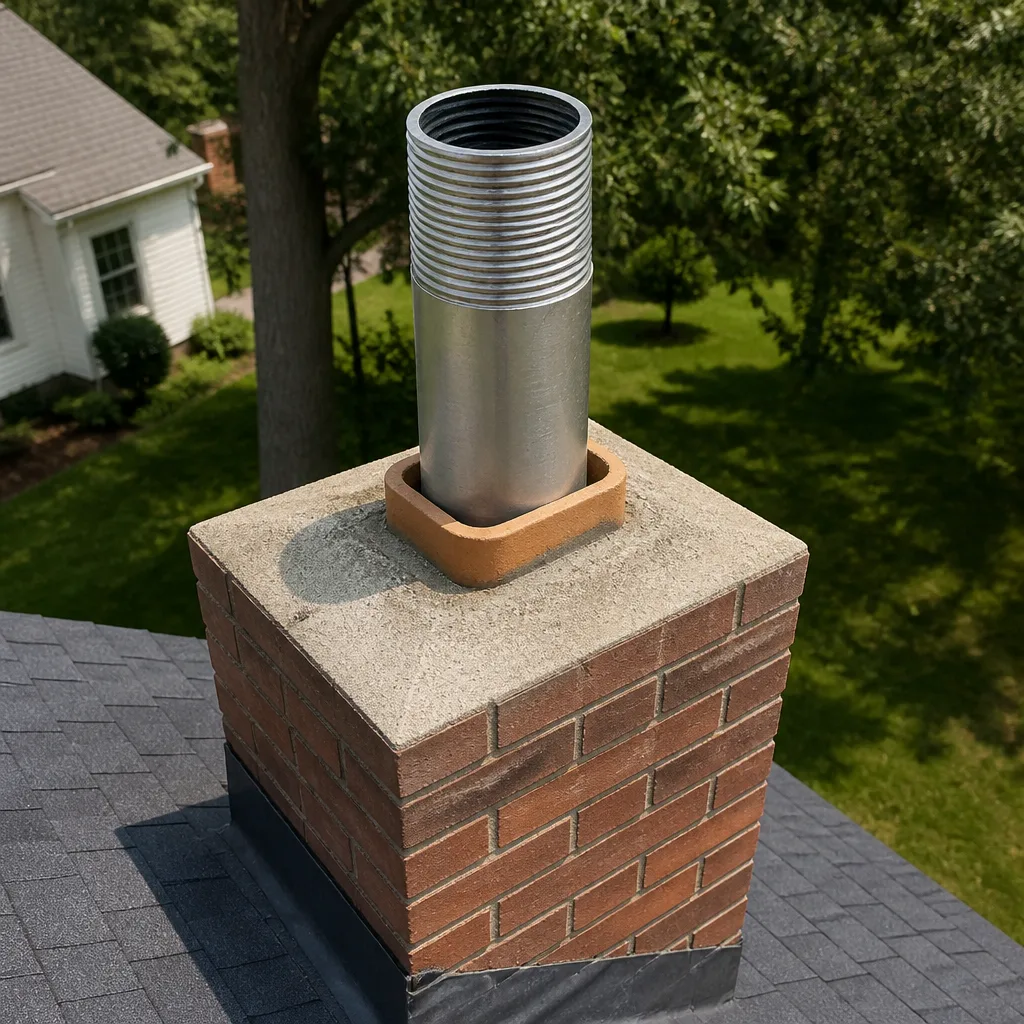 Flue relining
 Masonry repair
 Gas fireplace service
Level 1 sweep and inspection to the NFPA 211 annual standard - flue, crown, cap, and flashing checked and photographed
Chimney sweep logs do not sweep chimneys. They loosen some creosote - which then falls where a brush and vacuum still have to collect it.
Chimney Cleaning Permits, Codes & Inspections in Castle Rock, CO: What You Need to Know
Most chimney work in Castle Rock needs no permit at all, which is exactly why homeowners get surprised later. The line between a routine sweep and a permitted alteration is thinner than it looks, and plenty of contractors cross it without ever mentioning it. If a liner gets swapped or a firebox gets rebuilt without the right paperwork, that quiet detail can follow you into a future insurance claim or a home sale. This guide lays out where Douglas County draws that line, how Colorado’s code adoption affects your flue, what a Level 2 inspection actually is, and what to ask for so you’re never the one holding liability you didn’t know you had.
Quick Answer
Routine chimney cleaning in Castle Rock typically requires no permit, because it’s classified as maintenance. The moment work moves into repair, alteration, or liner replacement, Douglas County building code generally requires a permit and an inspection before the job is signed off. A Level 2 inspection is a separate, more thorough evaluation that’s required after a chimney fire, during a real estate transaction, and after certain exterior events.
Styles & brands we work with
- Sweep & inspection
- Caps & crowns
- Flue relining
- Masonry repair
- Gas fireplace service
Table of Contents
- Where Does Chimney Work Cross From Maintenance to a Permit Requirement?
- How Colorado’s NFPA 211 Adoption Interacts With Douglas County Codes
- What Is a Level 2 Inspection and When Is It Required?
- What Documentation to Request From a Contractor Doing Permitted Work
- How to Verify a Permit Was Actually Closed Out
- HOA Considerations in Castle Rock’s Planned Communities
- Castle Rock Climate, Elevation, and What It Does to Your Chimney
- The Three Inspection Levels and What Each One Covers
Where Does Chimney Work Cross From Maintenance to a Permit Requirement?
In Douglas County, chimney work falls into two categories: maintenance, which needs no permit, and alteration, which does. Maintenance means cleaning, sweeping, and inspection. Alteration means anything that changes the structure, the flue system, or how the chimney functions. The distinction sounds simple until you get into the gray zone that most homeowners and some contractors never think to question.
Here’s where the line typically sits:
- No permit generally required: a standard annual sweep, a Level 1 or Level 2 inspection, replacing a damaged chimney cap, and minor crown patching.
- Permit generally required: installing or replacing a flue liner, rebuilding a firebox, reconstructing a chimney crown beyond surface patching, changing the flue configuration, and any structural masonry repair that affects load-bearing or fire separation.
- Case-by-case: relining with a flexible system, resurfacing a deteriorating liner, and damper replacements. These can go either way depending on scope and how the local building department classifies the work.
A liner replacement is the big one. It’s structural, it affects fire containment, and it’s the kind of work that an inspector wants to see before the chimney is closed back up. That’s why a good contractor will tell you a permit is needed before the work starts, not after.
If you’ve got an older masonry chimney or you’re unsure what you’re working with, a Chimney Sweep Castle Rock technician can scope it, photograph what’s inside, and tell you whether the job in front of you is maintenance or alteration before anyone picks up a tool.
How Colorado’s NFPA 211 Adoption Interacts With Douglas County Codes
Colorado has adopted NFPA 211, the national standard for chimneys, fireplaces, vents, and solid fuel-burning appliances, as part of its residential building framework. Douglas County builds on top of that with local amendments and its own permitting process. Understanding how the two layers fit together matters, because a contractor who knows one but not the other can leave you with a system that passes the national standard but fails the local inspection.
In practice, NFPA 211 sets the technical floor:
- Flue liners must be continuous and appropriately sized for the appliance.
- Clearances to combustibles must be maintained throughout the system.
- Chimney caps must be present to keep out water, animals, and debris.
- The flue must be inspected and the findings documented before any alteration.
Douglas County then adds the procedural layer. The county’s building department is the authority that issues permits, conducts inspections, and signs off on the final. When the two standards are followed together, the job is straightforward. When a contractor installs a liner without a permit, you get a system that may meet the technical standard but has no paper trail proving it does.
Castle Rock homeowners should also know that Colorado’s elevation affects combustion and draft, which is part of why the standards matter here more than they might at sea level. We specify the same professional-grade brands certified chimney professionals use nationwide – DuraFlex for flexible liner systems, HeatShield for liner restoration – because those materials carry manufacturer documentation that supports the inspection and permit process.
What Is a Level 2 Inspection and When Is It Required?
A Level 2 chimney inspection is a thorough visual and camera-based evaluation of the accessible portions of the chimney, including the flue interior, the firebox, the damper, the crown, and the exterior structure. It goes beyond what a Level 1 inspection covers, and NFPA 211 defines it as the level required whenever the conditions around the chimney have changed.
The situations that trigger a Level 2 inspection are specific:
- Real estate transactions. Before a home sale closes in Castle Rock, a Level 2 inspection is expected as part of due diligence. Buyers and their lenders want documentation of the chimney’s condition.
- After a chimney fire. Even a small fire can crack a liner or distort a flue. The chimney needs to be evaluated before it’s used again.
- After a significant exterior event. That includes a lightning strike, an earthquake, a structural impact, or any event that could have shifted the chimney’s masonry or connections.
- After a change in fuel type or appliance. Switching from wood to gas, or replacing a stove, changes the demands on the flue.
- When a Level 1 inspection turns up a problem. If the visible portions show signs of damage, the next step is a deeper look.
The inspection should be performed by someone trained in chimney science who can document findings with photographs. In Castle Rock, the contractor who performs it should also be able to explain what they found and what, if anything, needs to happen next. A chimney sweep visit is the natural time to ask for one, since the flue is already being accessed.
What Documentation to Request From a Contractor Doing Permitted Work
Documentation is the difference between a job that protects you and a job that leaves you exposed. When a contractor does permitted work on your chimney in Castle Rock, the paperwork should come to you without you having to ask twice. If you have to chase it, that’s a signal.
Ask for these documents before the job closes:
- The permit number and a copy of the permit. This proves the work was registered with Douglas County before it started.
- Photos of the work in progress. Liner installations, firebox rebuilds, and crown repairs should be documented before they’re covered up. You can’t inspect what’s behind the masonry once it’s sealed.
- Manufacturer documentation for the materials used. If a DuraFlex liner is installed, there should be a manufacturer spec sheet matching the product to your chimney’s dimensions and appliance.
- The inspection record. For a liner replacement, the county inspection should show as passed and closed.
- A written summary of findings if a Level 2 inspection was done. This is the document a future buyer or insurer may ask for.
This is where our single-trade focus matters. We handle sweeping, fireplace repair, chimney repair, inspection, and cap and crown work, all under one specialist scope. That means the documentation trail stays consistent from the first visit to the final inspection.
How to Verify a Permit Was Actually Closed Out
A permit that was pulled but never closed out is almost as bad as no permit at all. It means the county never confirmed the work met code, and the record stays open, which can complicate a future sale or insurance claim. Verifying closure takes a few steps and is worth doing yourself rather than taking a contractor’s word for it.
- Contact Douglas County’s building department. Ask for the permit history on your property address. They can tell you whether a permit was issued and whether it was inspected and closed.
- Ask for the final inspection date. A permit that shows as issued but not finaled has not been closed out.
- Request the final inspection report. This confirms what the county inspector actually looked at and whether it passed.
- Keep a copy in your home records. When you sell the home, that document answers a question a buyer’s inspector will likely ask.
- If the permit was issued to a contractor you no longer work with, the county can tell you what’s needed to close it out.
Castle Rock is small enough that a phone call to the county usually gets you a straight answer. The point isn’t to distrust your contractor. It’s to make sure you’re holding the documentation that proves the job was done right, because you’re the one who owns the consequence if it can’t be proven.
HOA Considerations in Castle Rock’s Planned Communities
Some parts of Castle Rock have a layer of approval that sits on top of the county code: the homeowners association. In planned communities like Terrain and Castle Pines, exterior changes often require HOA sign-off before work begins, and that includes chimney caps, crown work, and any visible masonry repair. Skip that step and you can end up with work that’s fully permitted by the county but still out of compliance with your community’s rules.
HOA requirements vary by community and by the age of the governing documents. Common areas where chimney work triggers HOA review:
- Cap style and material. Some communities restrict visible cap types to a specific style or finish.
- Exterior masonry color and finish. If the crown or upper chimney is being rebuilt or repainted, the finish may need to match the original or a specified palette.
- Chimney height changes. Adding height to improve draft can affect the roofline and may need approval.
- Contractor insurance requirements. Some HOAs require proof of insurance before work begins on any exterior structure.
The practical advice is simple. Before any exterior chimney work starts, check your HOA’s design guidelines and, if needed, submit the request. A chimney contractor who works in Castle Rock regularly knows which communities have stricter rules and can flag it early. If you’re in an HOA community and you’re not sure, ask us when you book.
Castle Rock Climate, Elevation, and What It Does to Your Chimney
Castle Rock sits at elevation along the Palmer Divide, and that geography shapes how a chimney works here in ways that a contractor from lower down may not appreciate. The colder air and the freeze-thaw cycle that runs through the winter months are harder on masonry than the same material would face in a milder climate. Draft behavior also changes with elevation, which affects how well a fireplace pulls.
What that means in practice:
- Freeze-thaw damage to crowns and mortar joints. Water gets into small cracks, freezes, expands, and widens the crack. Over seasons, that’s how a small crown issue becomes a masonry repair.
- Cracked flue tiles. The same cycle works on the flue liner, which is why a liner inspection matters more here than in a mild climate.
- Stronger creosote buildup from cooler flue temps. When a flue runs cool, creosote condenses more readily. That’s one of the reasons annual sweeping is the baseline in this part of Colorado, not a suggestion.
- Draft sensitivity at altitude. A chimney that drafts well at 500 feet may not behave the same way here. Flue sizing and cap choice affect it.
Before your next fire season, it’s worth having a specialist look at the crown, the cap, and the flue. The work that prevents a winter problem is usually smaller and cheaper than the work that follows one.
The Three Inspection Levels and What Each One Covers
NFPA 211 defines three levels of chimney inspection, and knowing which one applies to your situation helps you ask the right questions and avoid paying for more (or less) than you need.
- Level 1: A visual inspection of the readily accessible portions of the chimney and appliance with basic tools. Appropriate when the appliance and chimney are unchanged and you’re on a routine annual schedule. No camera required.
- Level 2: Everything in a Level 1 plus a camera inspection of the flue interior and a closer look at accessible attic, crawlspace, and exterior portions. Required after a chimney fire, at a real estate transaction, after an exterior event, and after an appliance change.
- Level 3: The most thorough inspection. Level 3 is diagnostic and may involve removing parts of the chimney or surrounding structure to access concealed areas. It’s used when a Level 1 or Level 2 reveals a problem that can’t be evaluated without opening something up.
For most Castle Rock homeowners on an annual sweep schedule, a Level 1 is the standard visit. A Level 2 shows up during a sale, after a fire, or when a Level 1 turns up a concern. A Level 3 is rare and specific.
When we do a Level 2, we include camera documentation and a photo report so you can see what we saw. That’s the whole point of the inspection – you should be able to look at the photos and understand the findings for yourself.
Common Mistakes to Avoid
- Assuming a sweep and a repair fall under the same rules. A sweep needs no permit; a liner replacement usually does. Treating them as the same category is the most common way homeowners get caught off guard.
- Never asking whether a permit was pulled. If a contractor never mentions it, ask directly. The answer tells you something about how they work.
- Taking “it’s already permitted” at face value. Pulling a permit and closing it out are two different steps. Verify the final inspection happened.
- Skipping the HOA step in Terrain or Castle Pines. County code and HOA rules are separate. Passing one doesn’t mean you’ve passed the other.
- Treating a Level 1 as a full inspection. A Level 1 is appropriate for an unchanged, well-maintained chimney. It’s not the same as a Level 2, and if the wrong level is performed it can miss things that matter.
- Ignoring the crown and cap because the fire still works. Draft and fire performance can look fine while the crown is quietly letting water into the masonry.
- Not keeping the documentation. The inspection report, permit number, and manufacturer paperwork are your records. Keep them where you’d keep a roof or furnace receipt.
See the difference
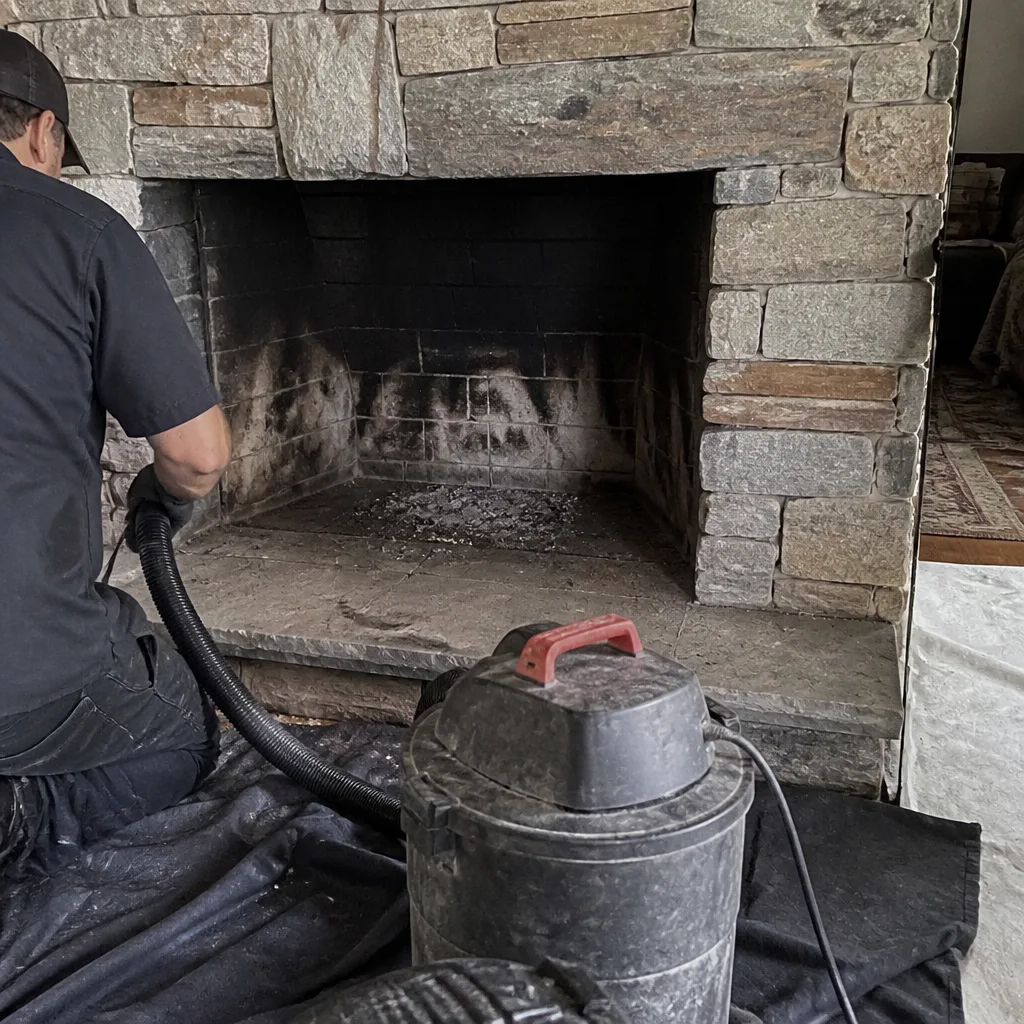 Before
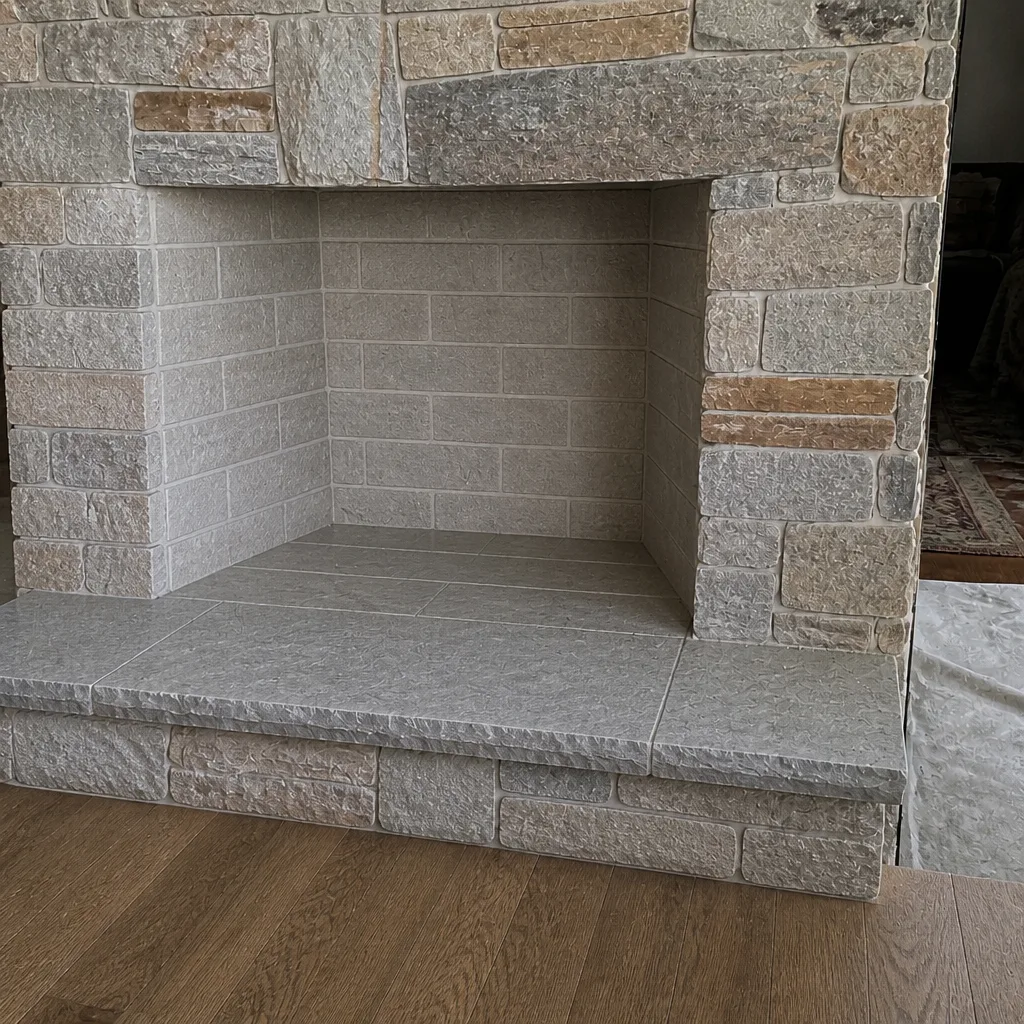 After
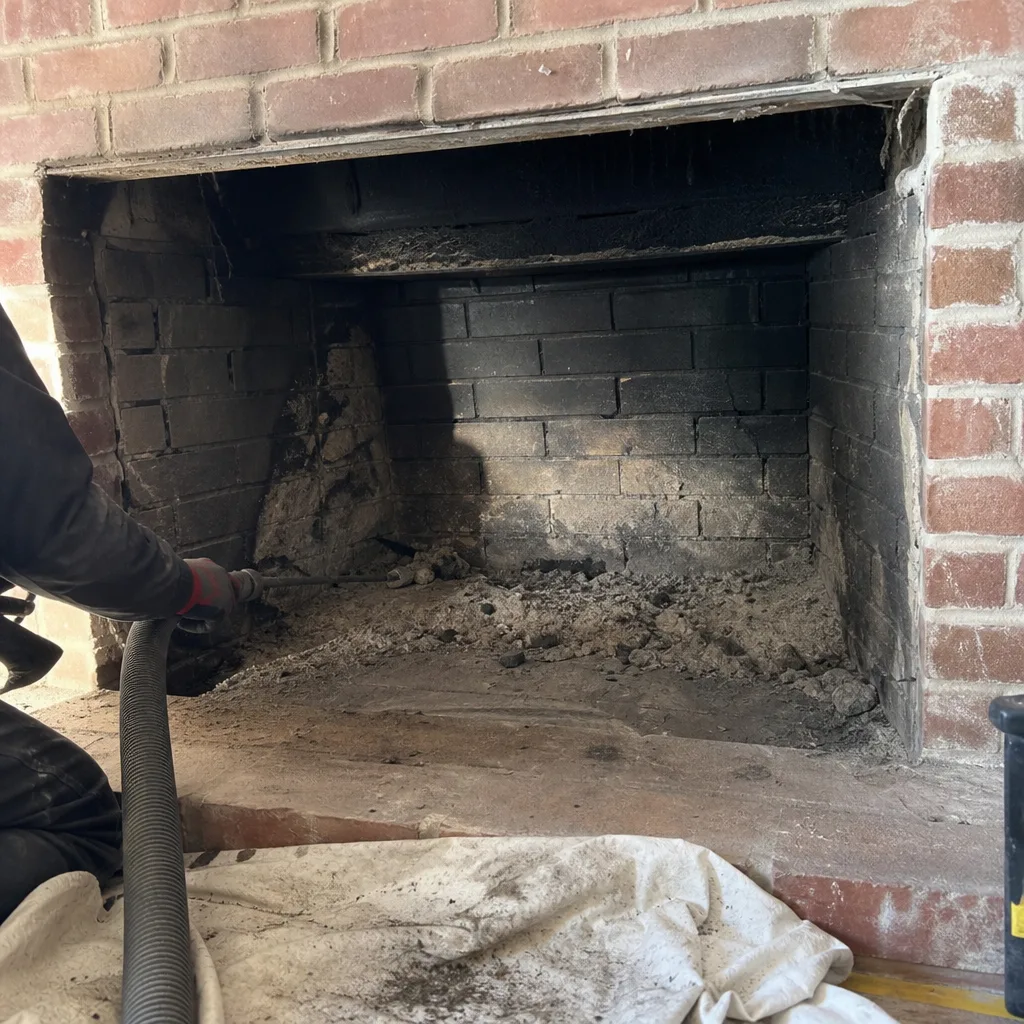 Before
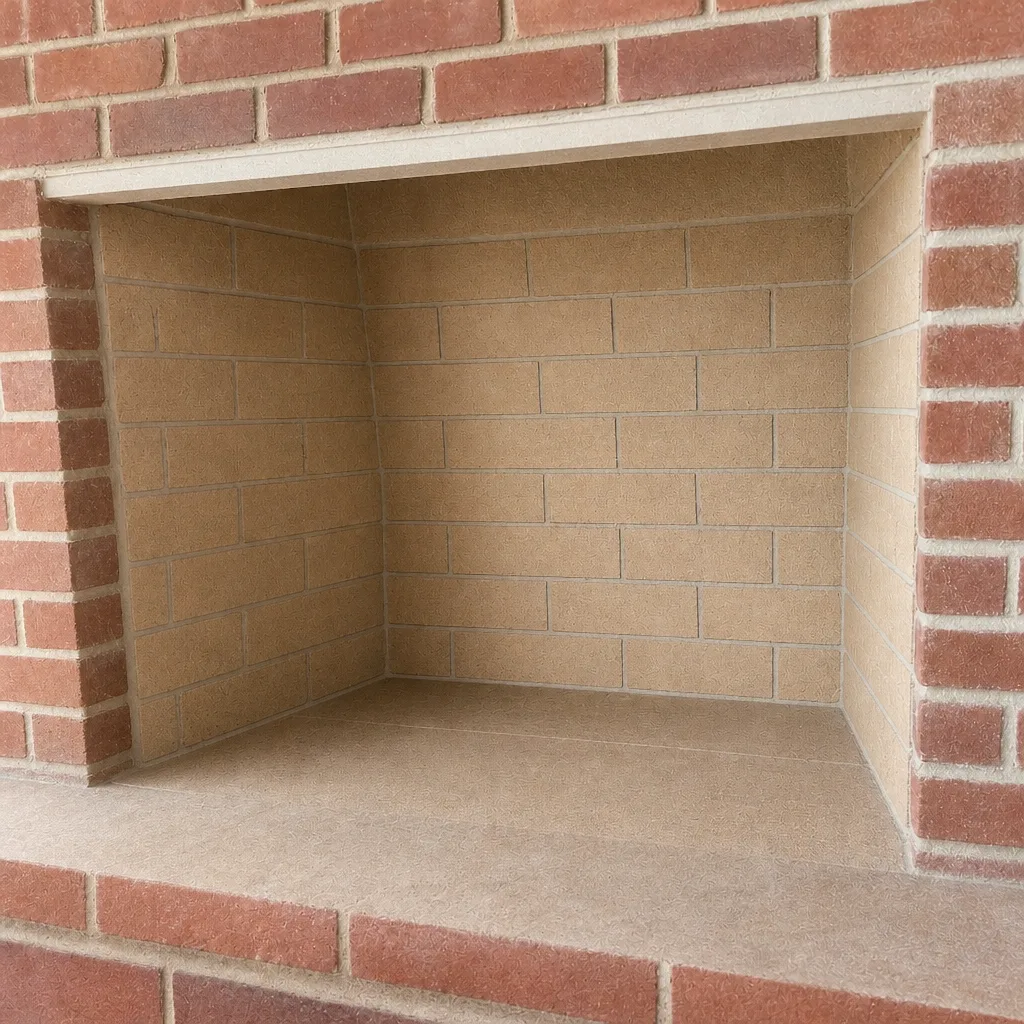 After
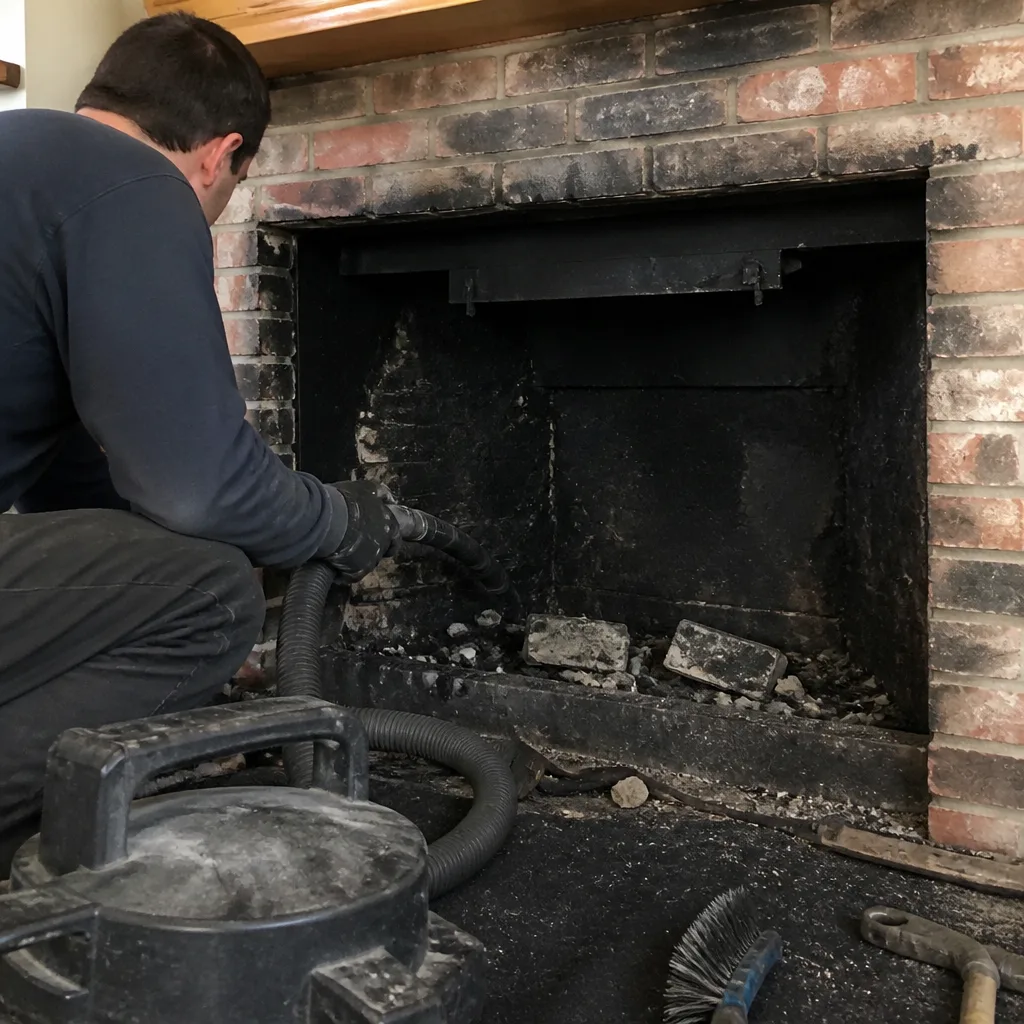 Before
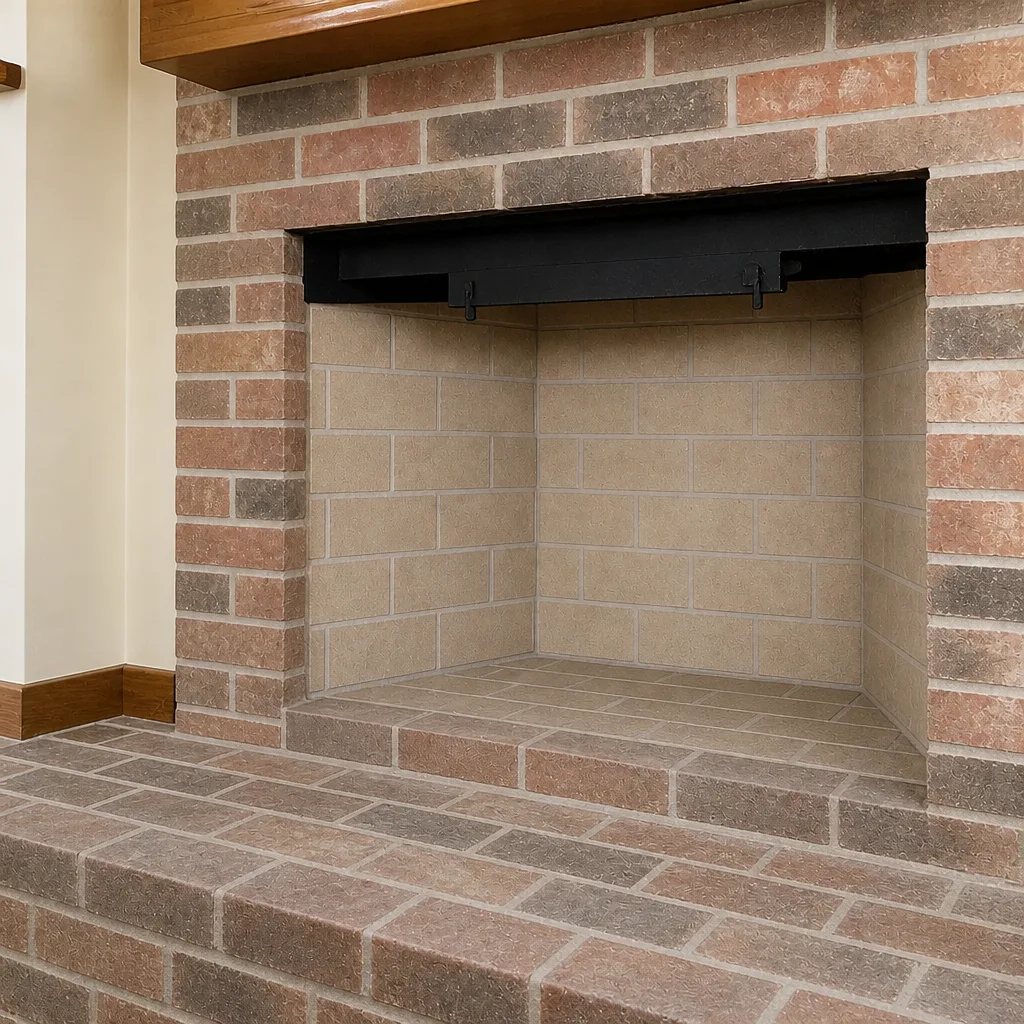 After
When to Call a Professional
Some chimney work is straightforward and some of it isn’t, and the difference usually comes down to how much is concealed. Call a specialist if a Level 1 inspection turns up a loose tile, a damaged crown, or visible creosote glazing. Call if you’ve had a chimney fire, even a small one, because the flue needs to be evaluated before the next fire. Call before a home sale, since a Level 2 inspection and its documentation are part of the transaction. Call if the crown is cracked or the cap is damaged or missing, because water damage spreads. And call if you’re switching fuel types or replacing an appliance, since either change alters what the flue needs to do. Chimney Sweep Castle Rock offers free estimates in Castle Rock. Call (833) 699-7166. We answer 24/7. Fast dispatch, 7am-7pm, Sunday through Friday.
Frequently Asked Questions
No. Routine chimney cleaning is classified as maintenance in Castle Rock and Douglas County, so no permit is required for a standard sweep. A permit becomes necessary when the work shifts into repair or alteration, such as a liner replacement or firebox rebuild. If you’re unsure which category your job falls into, call (833) 699-7166 for a free estimate and we’ll tell you straight.
Generally, yes. A liner replacement is an alteration to the flue system, and Douglas County typically requires a permit and an inspection before the work is signed off. The scope of the job can affect how it’s classified, so ask your contractor to confirm with the county before work begins. Call (833) 699-7166 to talk through what your job involves.
A Level 2 inspection is required after a chimney fire, during a real estate transaction, after a significant exterior event such as a lightning strike, and after a change of appliance or fuel type. Routine annual maintenance on an unchanged chimney usually only needs a Level 1. If you’re not sure which level applies, call (833) 699-7166 – estimates are free.
Call Douglas County’s building department and ask for the permit history on your address. Ask whether the permit was finaled and request the final inspection date and report. Keep a copy in your home records for future sales or insurance. If the record isn’t clear, call (833) 699-7166 and we can help you sort out what to ask for.
It can. Many Castle Rock planned communities have design guidelines that cover visible exterior elements like chimney caps, masonry finish, and chimney height. Those rules are separate from county building code, and both need to be satisfied. Check your HOA’s design guidelines before any exterior work. Call (833) 699-7166 if you want us to flag what to ask about.
Ask for the permit number, whether photos will be taken of the work in progress, what brand and specification of materials will be used, and how you’ll receive the final inspection record. A specialist will answer all four without hesitation. We work with DuraFlex liner systems and HeatShield liner resurfacing, and we document both. Call (833) 699-7166 for a free estimate.
The Bottom Line
A sweep usually needs no permit. A repair or liner replacement usually does. That single distinction is where most of the confusion around chimney work in Castle Rock comes from, and it’s worth getting right before the work starts, not after. The steps that protect you are straightforward: know which category your job is in, ask whether a permit will be pulled, verify that it gets closed out, check your HOA rules if you’re in a planned community, and keep the documentation. A Level 2 inspection fills the gaps when something has changed. None of this is complicated once you know the sequence. If you’d rather just have a specialist walk you through it, we’re here.
Call (833) 699-7166 for a free estimate. We answer 24/7. Fast dispatch, 7am-7pm, Sunday through Friday. Our technicians have up to 9 years of experience, and every job is chimney-specific. Before your next fire season, get the flue looked at and the paperwork in order.
Written by the team at Chimney Sweep Castle Rock.